 Skip to content
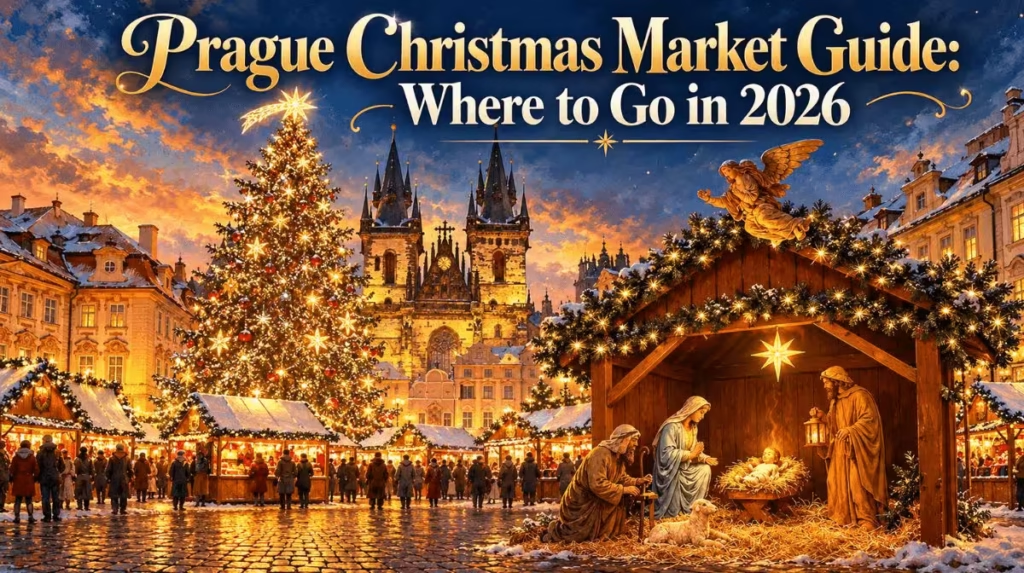
The Prague Christmas market is the one most people picture first: wooden stalls glowing beneath the Gothic towers of Týn Church, a giant tree in the middle of Old Town Square, and a cup of hot mulled wine in your hands. But Prague has more than one market, and they feel very different — a food-led boulevard, a local favourite in Vinohrady, a quiet riverside island. Here’s a practical guide to the five worth your time in 2026, with confirmed dates, what to eat and drink, what it really costs, and how to see the best of them without losing an evening to the crowds.
Jump to a section
At a Glance
| Category | Detail |
|---|---|
| Main season | 28 November 2026 – 6 January 2027 for the two big squares; the smaller markets mostly close on 24 December |
| Flagship market | Old Town Square — free entry, daily 10:00–22:00 |
| Best for first-timers | Old Town Square — the scenery, the tree and the stage are all in one place |
| Best for street food | Wenceslas Square — more food stalls than craft stalls along a long boulevard |
| Best for a local feel | Náměstí Míru in Vinohrady — opens first (20 November) and is usually cheaper |
| Best for a quiet, romantic evening | Kampa Island — a small riverside market on the Lesser Town side |
| Entry | All five are free to enter; you pay only for food, drink and shopping |
| Getting around | The two big squares are a short walk apart; the others are a metro or tram ride away |
Old Town Square
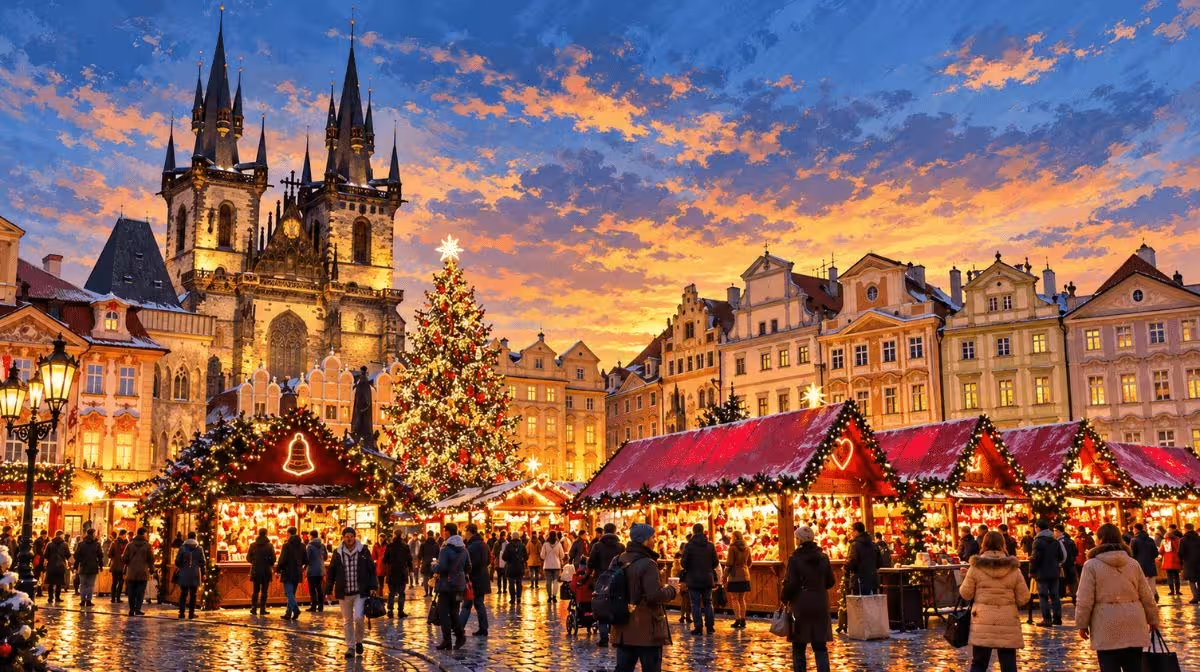
This is the Prague Christmas market everyone has seen in photos, and it lives up to them. The stalls fill the square beneath the twin Gothic spires of Týn Church, with the Old Town Hall’s Astronomical Clock tower just along from them. A tall spruce (around 26 metres, brought in from a different part of Czechia each year) goes up in the middle and is lit on opening day, with a short light show on the tree several times each evening.
It’s more than a shopping square. An open-air stage hosts school choirs and brass bands most afternoons, there’s a nativity scene, and children’s creative workshops run at weekends. Expect the usual trdelník, sausages and mulled wine alongside wooden toys, glass ornaments and other Czech crafts.
Good to know: 14–24 December is the busiest stretch. Go on a weekday, in the morning before about 11:00, or after 20:00 when the day-trippers have left and the lights do most of the work.
Prague Christmas Market Tour — a guided walk through the city’s Christmas markets with a local guide, a good way to get the history and the best stalls without working out the route yourself. Handy if you’re short on time or it’s your first visit.
Wenceslas Square
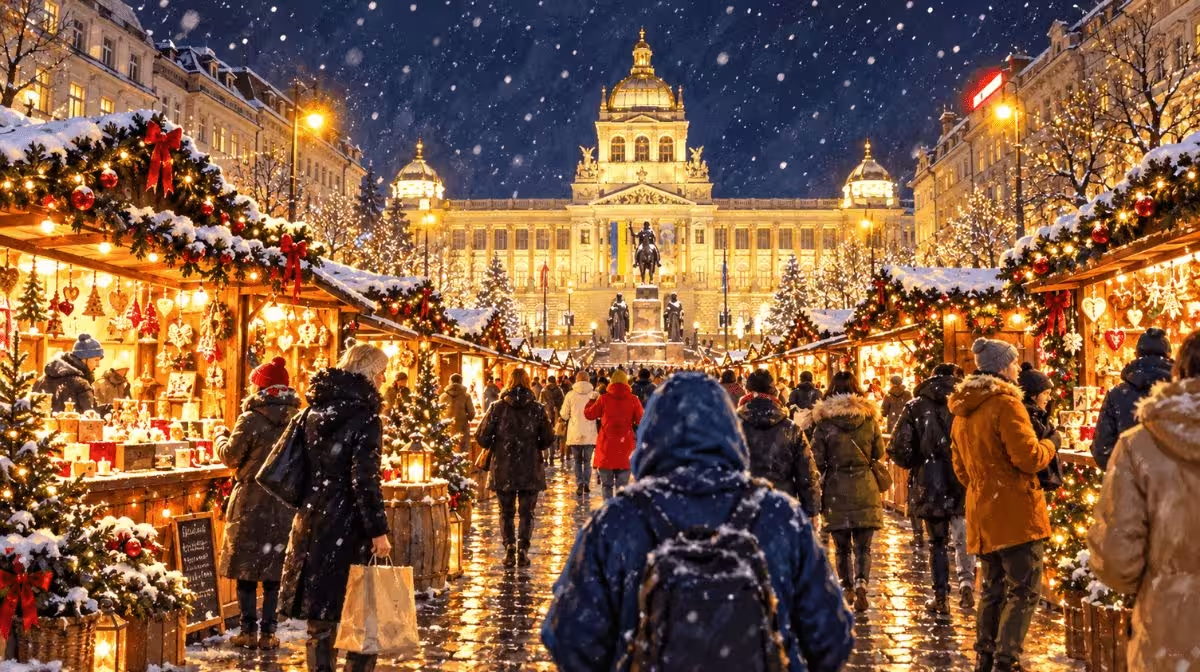
Wenceslas Square isn’t really a square; it’s a long boulevard running up towards the National Museum, and the market stretches along it in a line of huts rather than gathering in one spot. It runs the same dates as Old Town Square and is easy to combine with it on the same evening, as the two are only a short walk apart.
It leans more towards food than crafts: you’ll find more sausage grills, trdelník stands and mulled-wine huts here than at the Old Town market. Alongside them there are handmade ornaments in glass, straw, ceramics and wood. It’s the better choice if you’re hungry; Old Town Square is the better choice if you want atmosphere.
Prague: The Nutcracker Ballet — a classic Christmas evening at the Broadway Theatre, in the Broadway arcade close to Wenceslas Square. Tchaikovsky’s score performed by Czech dancers, about 1 hour 45 minutes including a 15-minute interval, so it fits neatly around a visit to the market.
Náměstí Míru (Vinohrady)
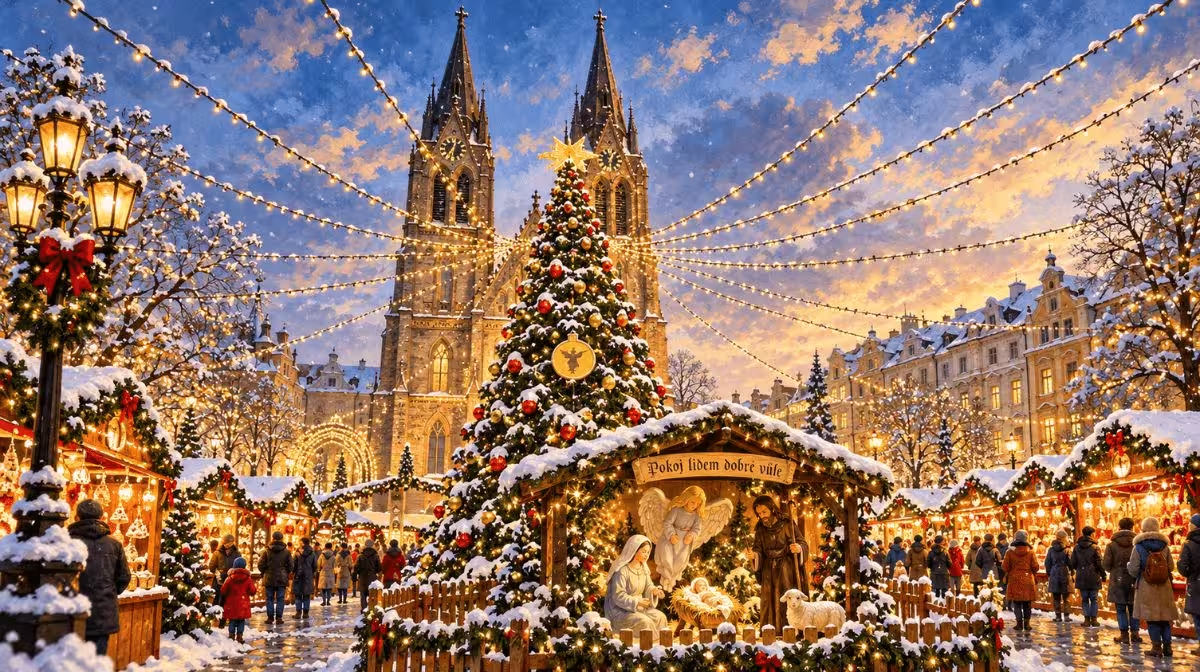
If you’d rather see where Prague locals spend their Christmas evenings, head to Náměstí Míru (Peace Square). The market sits in front of the neo-Gothic Church of St Ludmila in Vinohrady, and it’s the first of the main markets to open, more than a week ahead of Old Town Square.
The stalls sell traditional Czech handicrafts and food, and prices are generally lower than in the tourist centre, which makes it a good place for a proper meal. It’s a metro ride from the centre (Náměstí Míru is on line A), and a good one to visit if you’re in Prague in the last week of November before the big squares open.
Kampa Island
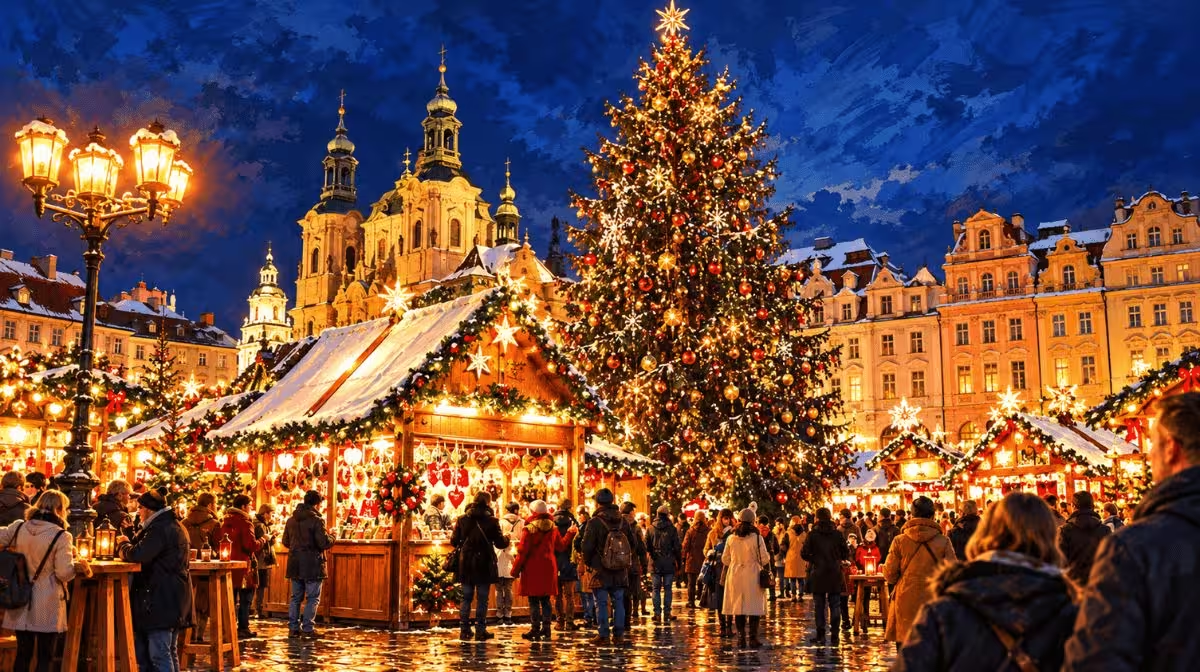
Kampa is the small, quiet one. Tucked onto the island beside the Vltava in Lesser Town, it’s a modest market of food and drink stalls with only a few craft huts, and it’s the best pick for a slower, more romantic evening away from the crowds in Old Town Square.
It opens a few days after the big squares but stays open until 4 January, so it’s a good choice for a post-Christmas visit. It’s also close to Charles Bridge, so you can walk over the bridge after the Old Town market and finish here.
Prague: Advent and Christmas River Cruise with Hot Drink — a 50-minute cruise on a decorated boat down the Vltava, past Charles Bridge, the Old Town, Prague Castle and Lesser Town, with a choice of hot mulled wine or hot chocolate included. A warm, relaxed way to see the city lit up, and an easy follow-on from a visit to Kampa.
Náměstí Republiky (Republic Square)
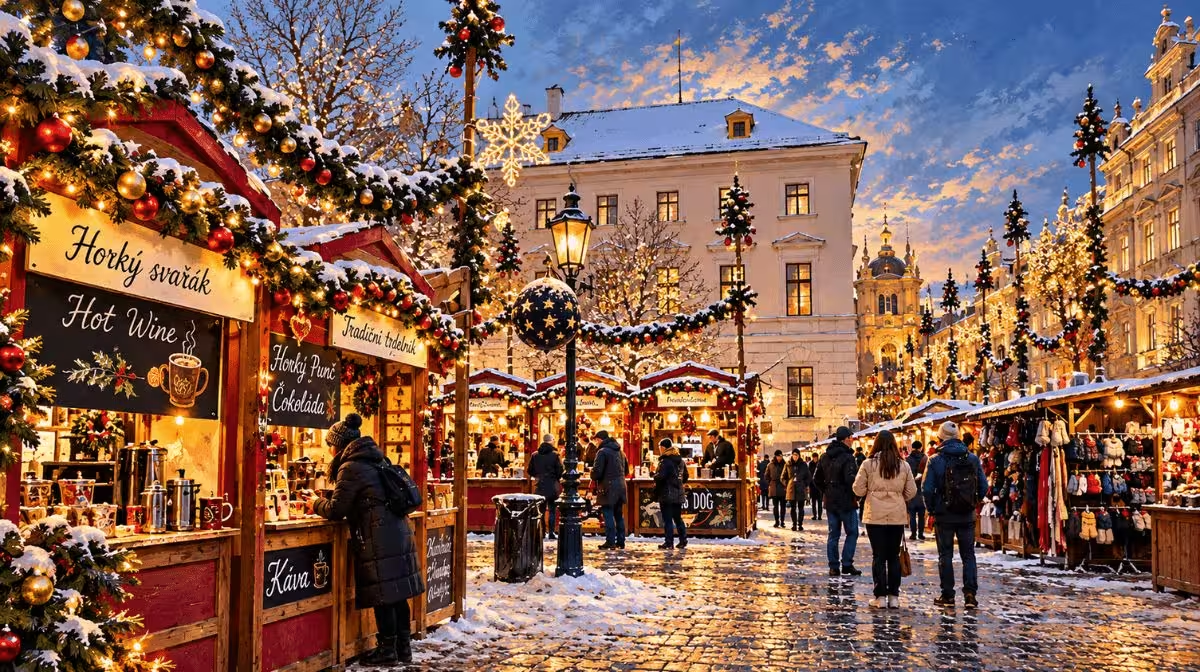
Republic Square is another small market that’s popular with locals, with handicrafts and festive food and drink. It sits right by the Palladium shopping centre and the Powder Tower, so it’s easy to drop into on a shopping trip or on the way between Old Town Square and the metro.
It closes on 24 December, so it’s one for the lead-up to Christmas rather than the days after. A second, smaller market by the Palladium runs until 6 January if you’re visiting later.
What to Eat & Drink
The food at Prague’s markets is a big part of the appeal, and the prices are reasonable if you know what to watch for. Approximate prices at the main markets (2025–26 figures; check the stall boards):
| Item | Approx. price |
|---|---|
| Svařák (mulled wine) | 80–120 CZK |
| Trdelník (chimney cake) | 80–120 CZK |
| Klobása (sausage) | 90–150 CZK |
| Hot chocolate | 90–130 CZK |
| Medovina (mead) | 100–140 CZK |
Also look for Prague ham (pražská šunka), roasted over an open fire and carved to order, and hot soups served in bread bowls. Most stalls charge a refundable cup deposit of around 50 CZK on mulled wine, so hand the cup back to get your money back.
Good to know: On meat stalls the price on the board is usually per 100 grams, not per portion. A 300–400 g serving can cost three to four times the number you see, so ask how much you’re getting before they start carving.
Where to Stay
Staying in or near the Old Town puts you within walking distance of both Old Town Square and Wenceslas Square, and the other markets are a short metro or tram ride away. If you’d like a quieter base close to the local market at Náměstí Míru, Vinohrady is a good choice. The map below pulls in live availability so you can compare by location before booking.
Prague
Frequently Asked Questions
When does the Prague Christmas market open in 2026?
The main markets in Old Town Square and Wenceslas Square run from 28 November 2026 to 6 January 2027, daily from 10:00 to 22:00. Smaller markets open on different dates: Náměstí Míru from 20 November, Republic Square from 25 November and Kampa from 3 December.
Is the Prague Christmas market free to enter?
Yes. All of the markets in this guide are free to enter. You only pay for food, drink and anything you buy.
Which is better, Old Town Square or Wenceslas Square?
Old Town Square is the better choice for atmosphere, with the Gothic backdrop, the tree and the stage. Wenceslas Square is better for street food, with more food stalls than craft stalls. They are a short walk apart, so most visitors do both.
When is the best time to visit to avoid crowds?
The busiest period is 14–24 December. Weekdays are quieter than weekends, and the Old Town Square market is easiest before about 11:00 or after 20:00. Náměstí Míru and Kampa are quieter than the main squares at any time.
How much does mulled wine cost at the Prague Christmas markets?
Mulled wine (svařák) is typically around 80–120 CZK per cup, plus a refundable deposit of around 50 CZK that you get back when you return the cup.
Route & Stay is reader-supported. Some of the links on this page are affiliate links, and we may earn a small commission if you book through them, at no extra cost to you. Dates and prices are as published at the time of writing — always check each market’s official page before planning travel. This guide is part of our larger Christmas Market Dates in Europe series.