 Skip to content
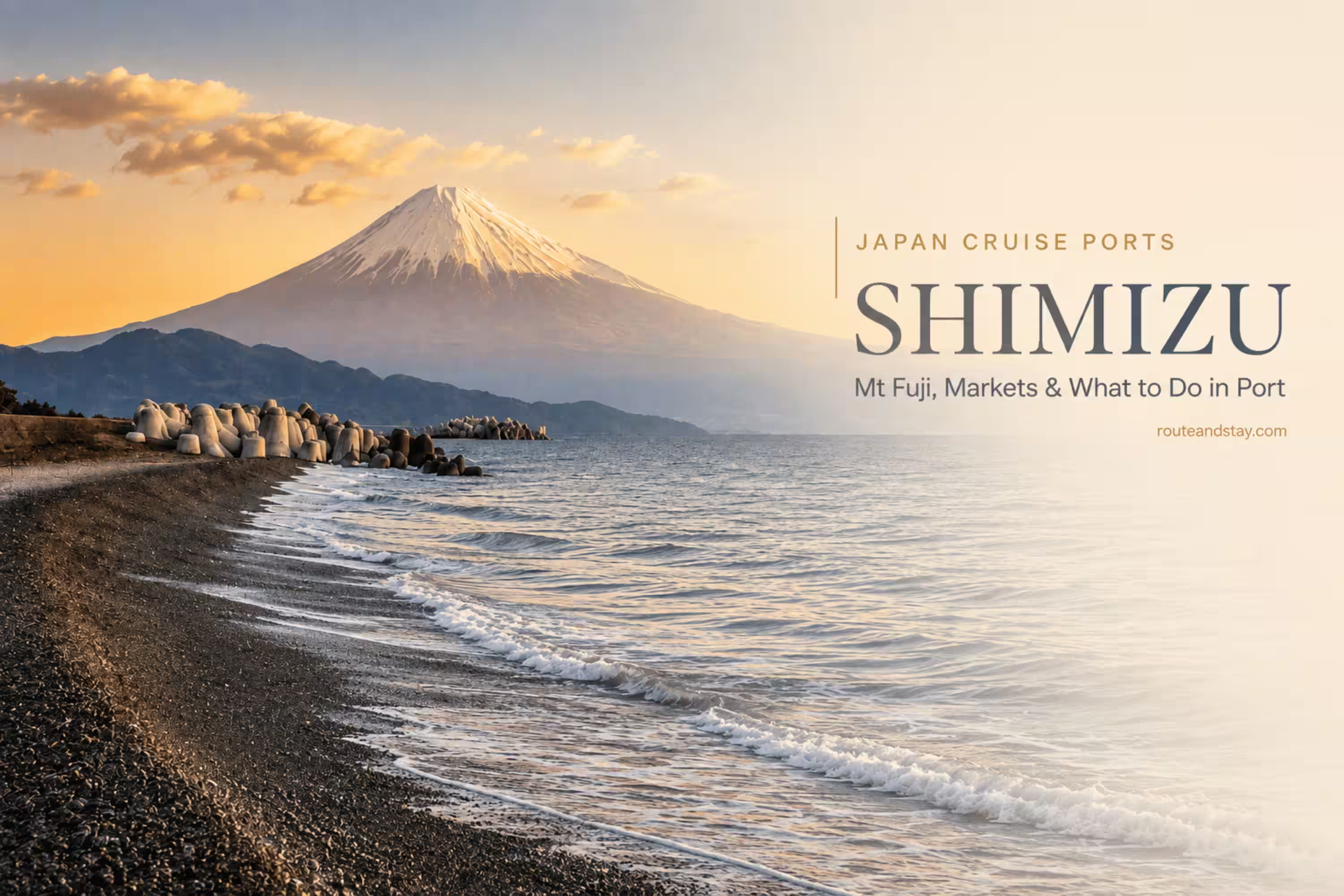
Mount Fuji does not perform on command. We learned that the hard way at Shimizu — and then, in the space of about ninety seconds, we learned the opposite lesson too.
Shimizu is one of the closest cruise ports in Japan to Mount Fuji, which is exactly why it’s such a tempting stop and exactly why it can go sideways if you don’t plan for it. It’s not a port where you stroll off the gangway into a walkable old town. The best of it — the pine-grove beach with the postcard Fuji view, the ropeway shrine that leaves your legs shaking, the fish market that lands more tuna than almost anywhere in the country — is spread across a Shizuoka coastline that only really works if you’ve got wheels under you.
We did it the hard way: fully DIY, no driver, no guide, just us and whatever taxi we could flag down. It was one of our favorite days of the entire 14-day Tokyo–Seoul cruise — and also the one day on the whole trip where we genuinely worried we might not make it back to the ship on time. Here’s exactly what happened, what we’d do differently, and how to set yourself up so you get the good parts without the stomach-churning part.
Where Is the Shimizu Cruise Port?
Shimizu Port sits in Shizuoka Prefecture, about 180 km southwest of Tokyo, and is one of the closest cruise ports in Japan to Mount Fuji. Most ships dock at the Hinode Marine Terminal, right next to the S-Pulse Dream Plaza shopping complex — useful for a bathroom break or a coffee, but not where the real highlights are.
Miho no Matsubara Pine Grove — about 20 minutes
Nihondaira Ropeway & Kunōzan Tōshōgū Shrine — about 35 minutes
Shiraito Falls / Mt. Fuji foothills — about 1 hour 15 minutes
Our DIY Day in Shimizu: What Actually Happened
We’d read that Mount Fuji is shy, but nothing quite prepares you for watching it hide all morning. From the terminal, the mountain was a rumor — somewhere behind a wall of grey cloud that showed no sign of lifting.
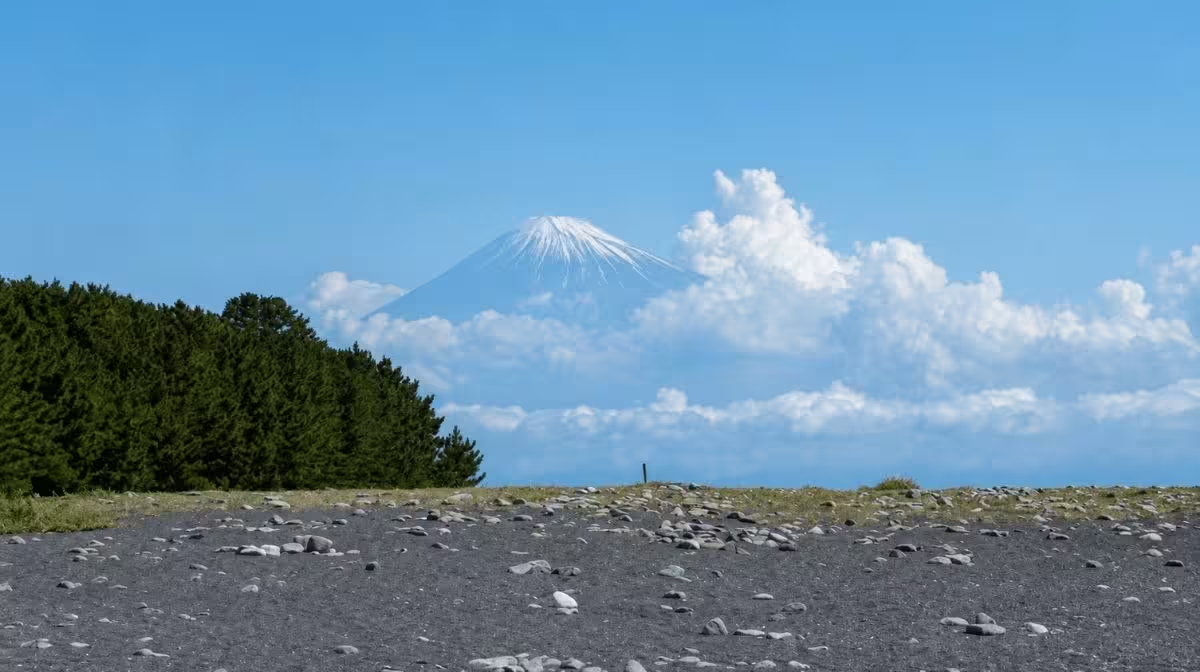
We took a taxi straight to Miho no Matsubara, the pine-grove beach that’s become the postcard image of this stretch of coast. And then, almost as if it had been waiting for us to arrive and not a moment sooner, Fuji stepped out from behind the clouds. It genuinely felt like magic — one minute nothing, the next the entire mountain standing there in full view over the pines and the sand. We walked the length of the pine groves, out to Miho Shrine, and back along the old approach path known as the “road of the gods,” past small local houses that felt like a completely different Japan from the neon density of Tokyo, where we’d started the cruise.
Then came the part of the day we hadn’t planned for. Shimizu is a genuinely small port, and when a cruise ship docks, it overwhelms the local taxi supply almost instantly — most of what’s on the road is already reserved for private shore-excursion tours. We stood at Miho no Matsubara for 45 to 60 minutes without a single available taxi passing, watching the clock and doing the mental math on whether we’d make our next stop, let alone get back to the ship. We got lucky: a taxi that had just dropped off a private tour group, who were off exploring on foot, happened to be free right as our nerves were fraying.
It was worth every minute of the wait. Our next stop was the Nihondaira Ropeway up to Kunōzan Tōshōgū Shrine, and it’s easily one of our favorite shrines anywhere in Japan. The ropeway ride alone — gliding over a deep, forested ravine — is worth the trip, but then you still have to earn the shrine itself: steps, then more steps, then a few hundred more steps up the mountainside. It is not for anyone with dodgy knees, and it will make you understand exactly why the Japanese reputation for fitness is so well earned.
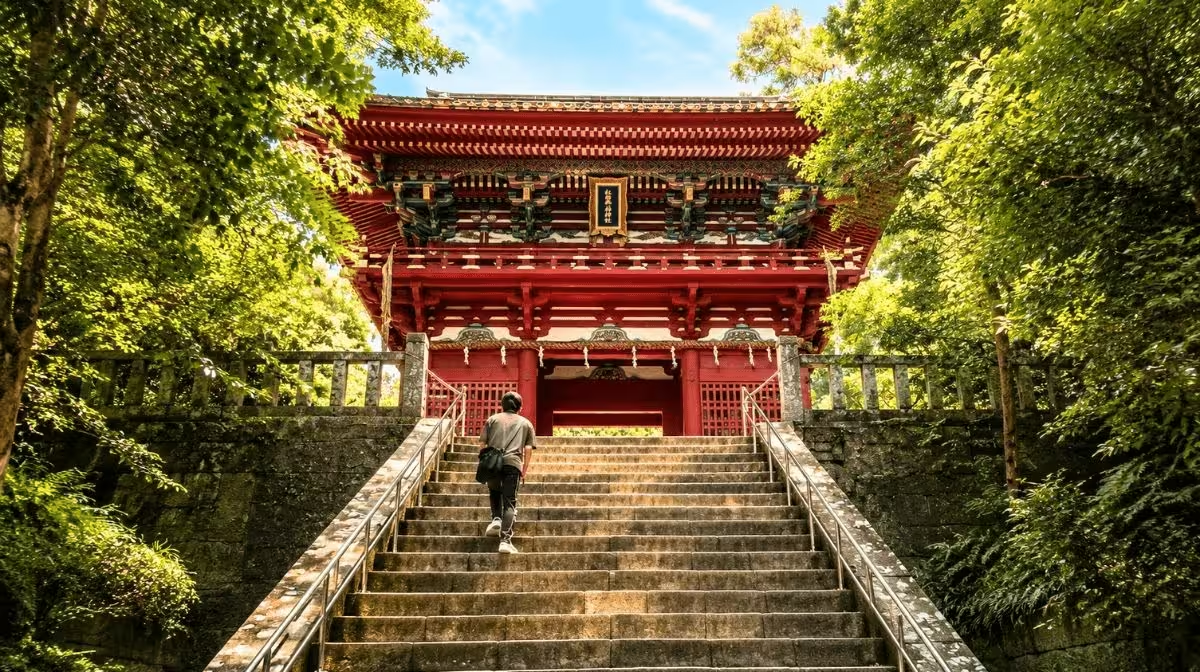
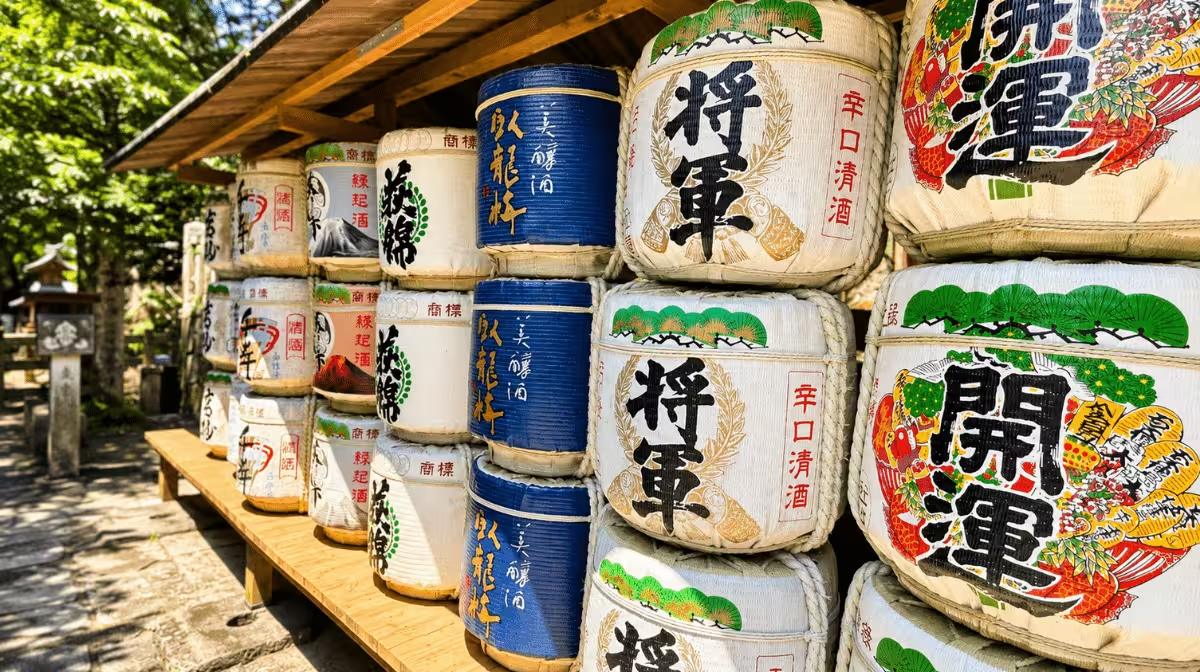
The gold-leafed shrine buildings at the top, dedicated to the shogun who unified Japan, are genuinely stunning — right down to the rows of colorful sake barrels stacked near the entrance, traditional offerings you’ll see at shrines like this one. It’s the kind of place that makes the whole detour worth it.
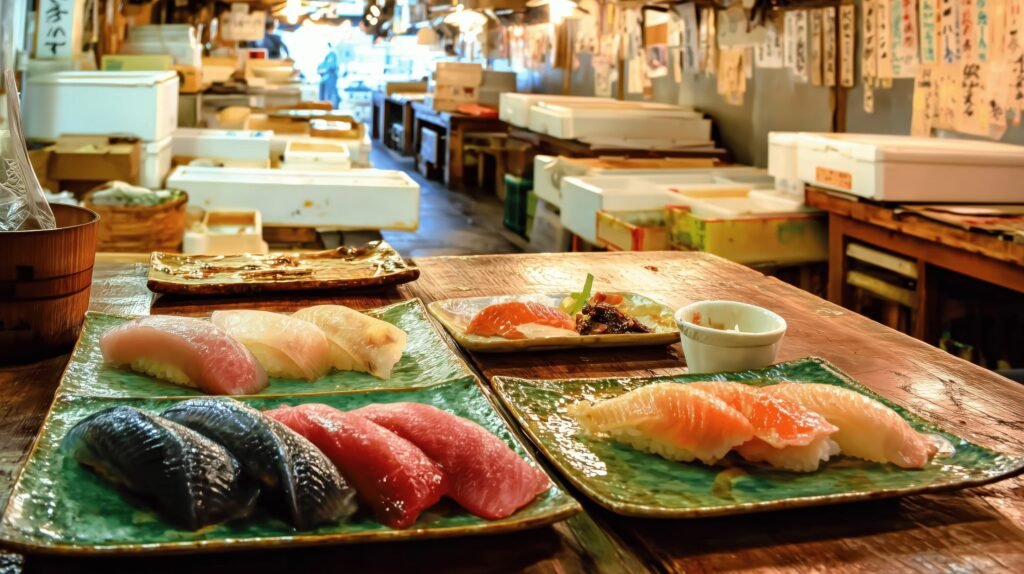
We finished the day the way most Shimizu cruisers do: at the Kashi-no-Ichi fish market and shopping mall near the ship, working through a very good, very fresh bowl of kaisendon before heading back up the gangway.
Would we do it DIY again? Honestly — no, and purely because of the taxi problem. The sights themselves were everything we hoped for. But next time, we’d book a driver or a small-group tour and trade that 45-60 minutes of genuine stress for the certainty of a car waiting at each stop.
The Fuji Visibility Rule
Mount Fuji is notoriously shy — even on a clear morning, cloud can swallow the peak by mid-morning. Our own day proved both sides of this: hidden completely at the terminal, then fully visible twenty minutes later at the coast.
Should You Book a Tour or Go DIY?
Here’s the honest answer, from people who’ve done it both the hard way and thought hard about how we’d do it differently: DIY is absolutely doable and genuinely rewarding, but the taxi shortage at this port is real, not a scare tactic, and it’s the one variable you can remove entirely by booking ahead. Below are real, currently bookable options — including one that covers almost exactly the same route we did ourselves, just with a car and driver guaranteed at every stop.
Booking through Klook instead? Here are three real options, including the one closest to our own route:
Private Day Tour: Miho no Matsubara, Ropeway & Nihondaira Yume Terrace
Going DIY anyway? Budget serious contingency time for taxis at every stop — not just the first one — and keep the fish market or a nearby backup plan in your pocket in case the wait runs long, the way ours did.
Shimizu Highlights, In Detail
Frequently Asked Questions
Extending Your Trip? Where to Stay Near Tokyo
If you’re arriving a day or two before embarkation or staying on after disembarkation, here are well-rated places to stay within easy reach of Tokyo and the cruise terminal network.
Next stop on the itinerary: Nagoya
Read the full port guide for our next stop on this 14-day Tokyo–Seoul cruise.