 Skip to content
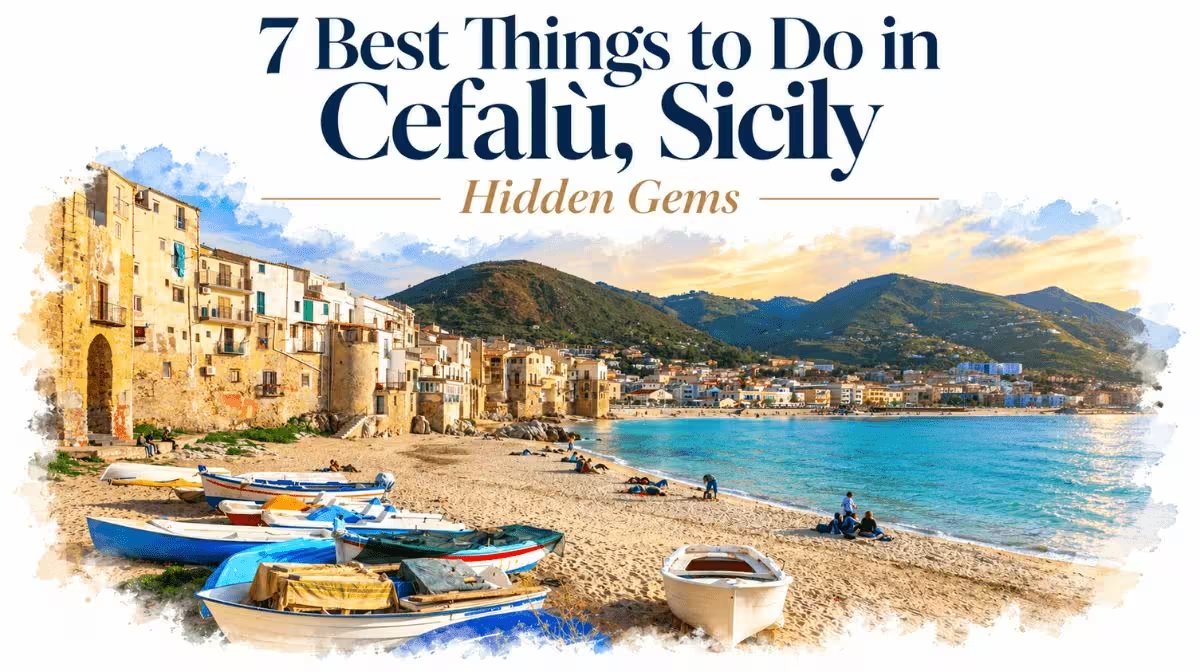
Looking for the best things to do in Cefalù? While Taormina is the “Pearl of the Ionian,” Cefalù is the golden heart of Sicily’s Tyrrhenian coast. Travelers have long come for the medieval charm and the Norman cathedral, and more recently for the real-life backdrop to the beach club scenes in The White Lotus Season 2.
This guide covers everything from the rugged climb up La Rocca to the most exclusive beach clubs — the seven experiences worth building a Cefalù trip around.
Lounge at the “White Lotus” Beach
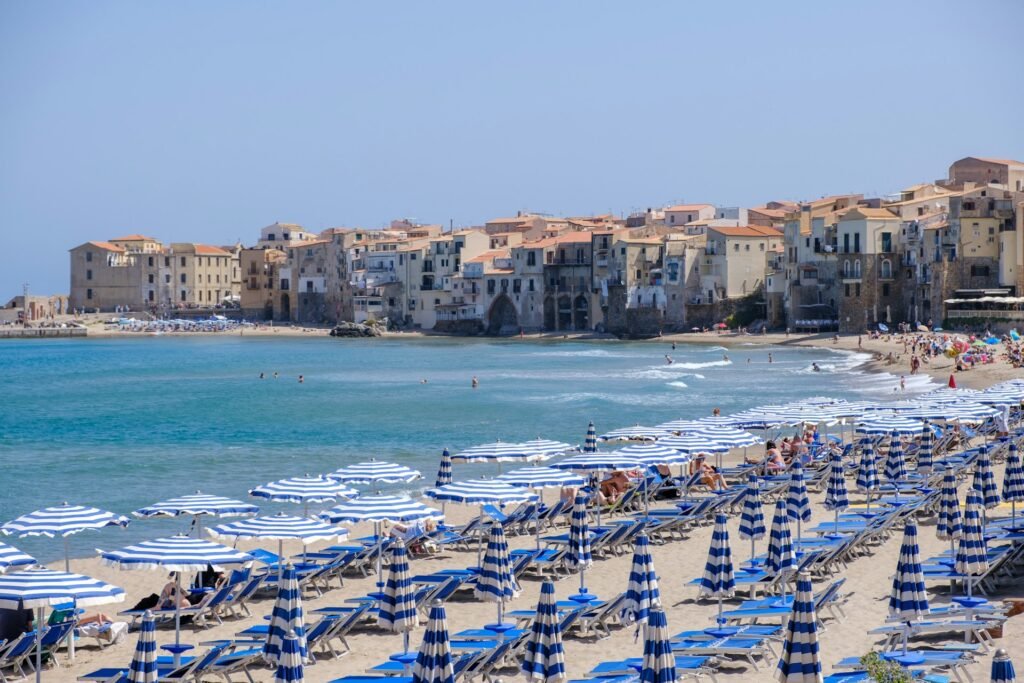
While The White Lotus Season 2 is set in Taormina, the iconic long, sandy beach with the towering rock in the background is actually Cefalù. The Lungomare Giuseppe Giardina is the heart of the action — a stretch of golden sand perfect for those who prefer easy swimming over the rocky coves found elsewhere in Sicily.
For the true celebrity experience, skip the free beach sections and book a sunbed at one of the upscale lidos — Lido Peter Pan and Lido Poseidon offer that classic Italian “ombrellone” experience with beachside service.
White Lotus fact: look for the pier where Daphne and Harper first arrived — it’s right at the edge of the old town, just a short walk from the main beach clubs. If you’re doing a full White Lotus tour of Sicily, you’ll likely be heading to Taormina next — see our Taormina Boat Tour guide to see where the famous hotel scenes were filmed.
Climb La Rocca for the Views
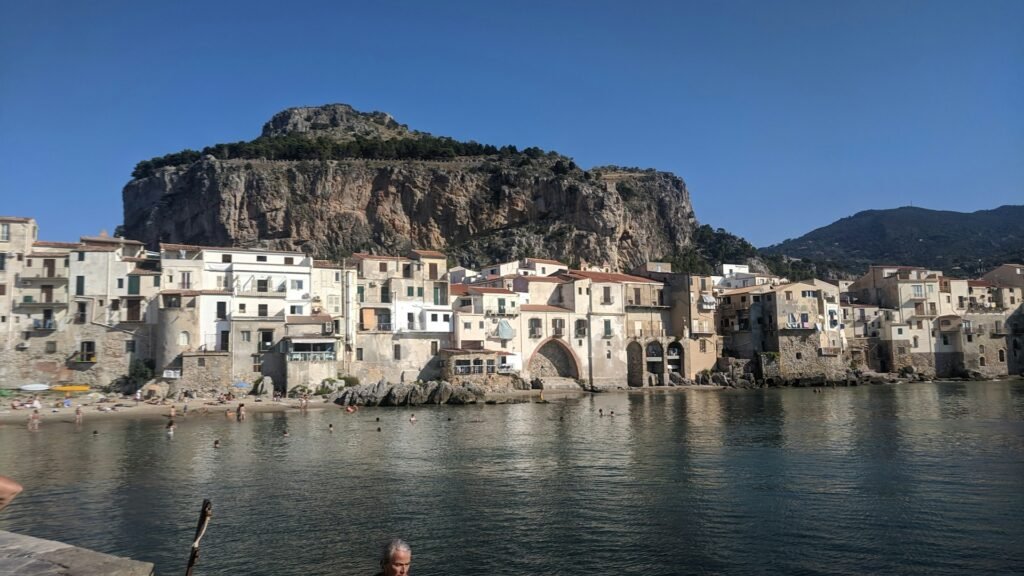
If you only do one active thing in Cefalù, let it be the climb up La Rocca. This limestone crag towers over the town and is the reason for Cefalù’s name (from the Greek Kephaloidion, “head”). It’s the ultimate vantage point for photographers and sunset seekers — on the way up you’ll pass the Temple of Diana, a megalithic structure dating to the 9th century BC, before reaching the ruins of the Norman Castle at the peak.
Local secret: most tourists stop at the first viewpoint by the Temple of Diana — keep pushing all the way to the metal cross at the summit. On a clear day you can see all the way to the Aeolian Islands.
Visit the UNESCO Cathedral
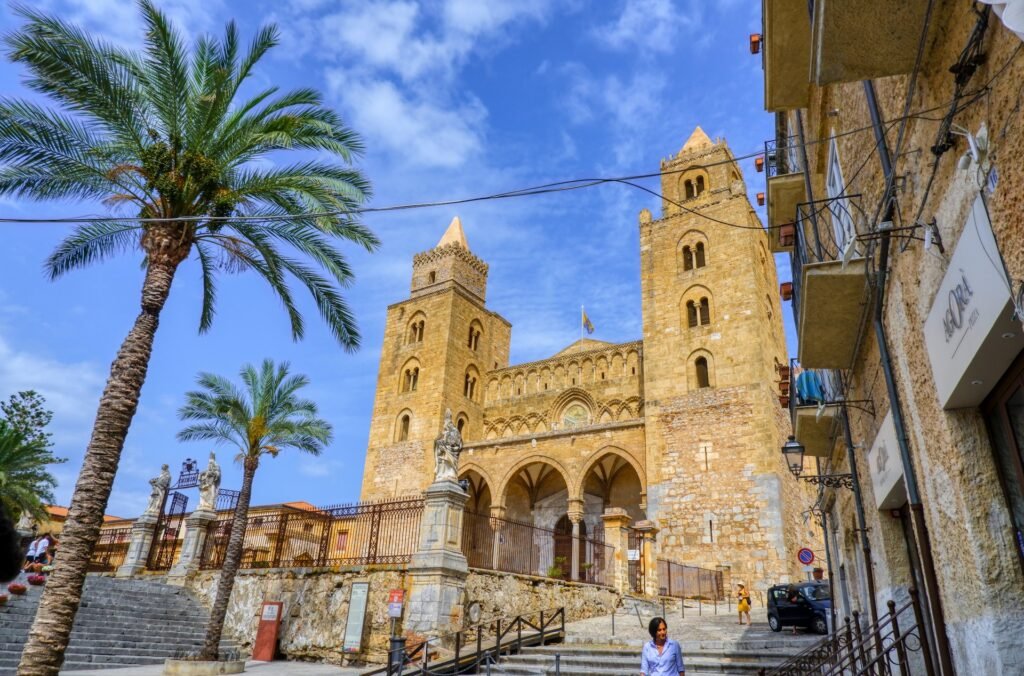
The Duomo di Cefalù is one of the most important Arab-Norman structures in the world, part of the UNESCO-listed “Arab-Norman Palermo and the Cathedral Churches of Cefalù and Monreale.” Legend has it King Roger II built it as a thank-you to God after surviving a shipwreck on Cefalù’s shores. The crown jewel is the Christ Pantocrator mosaic in the apse — shimmering gold tiles created by Byzantine masters in the 12th century, so well-preserved they rival the famous mosaics of Monreale.
Also bookable on Viator: a private guided tour of the cathedral’s Byzantine mosaics.
Sunset Drinks at the Old Pier
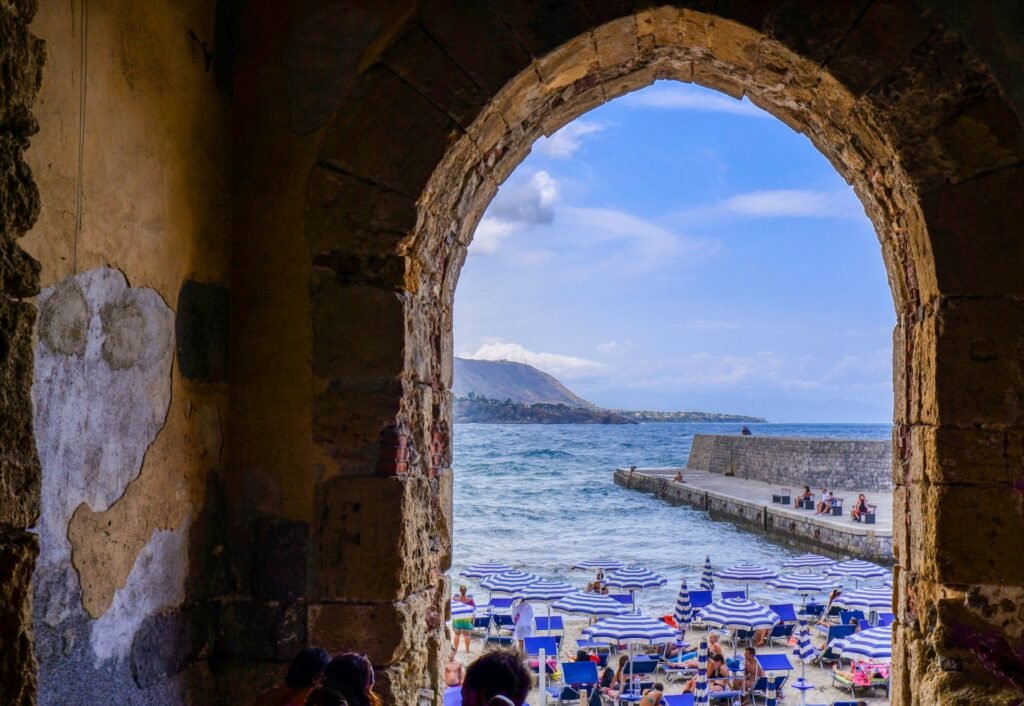
The Molo di Cefalù is arguably the most photographed spot in Sicily — an ancient stone pier stretching into the Tyrrhenian Sea with a panoramic view of the medieval sea wall and colorful fishing boats bobbing in the harbor. As the sun dips, the limestone houses and cathedral glow deep orange and pink — the quintessential Sicilian golden hour.
Locals and travelers gather here for a pre-dinner aperitivo — grab a couple of arancini and a cold drink from a nearby tavola calda and claim a spot on the stone wall. For the famous “Cefalù shot,” walk to the very end of the pier and look back toward town. During the day it’s also a popular spot for local kids to dive into the deep blue water.
Want to make an evening of it? This Cefalù cocktail walking tour on Viator hits rooftops and prime venues around sunset.
Get Lost in the Centro Storico
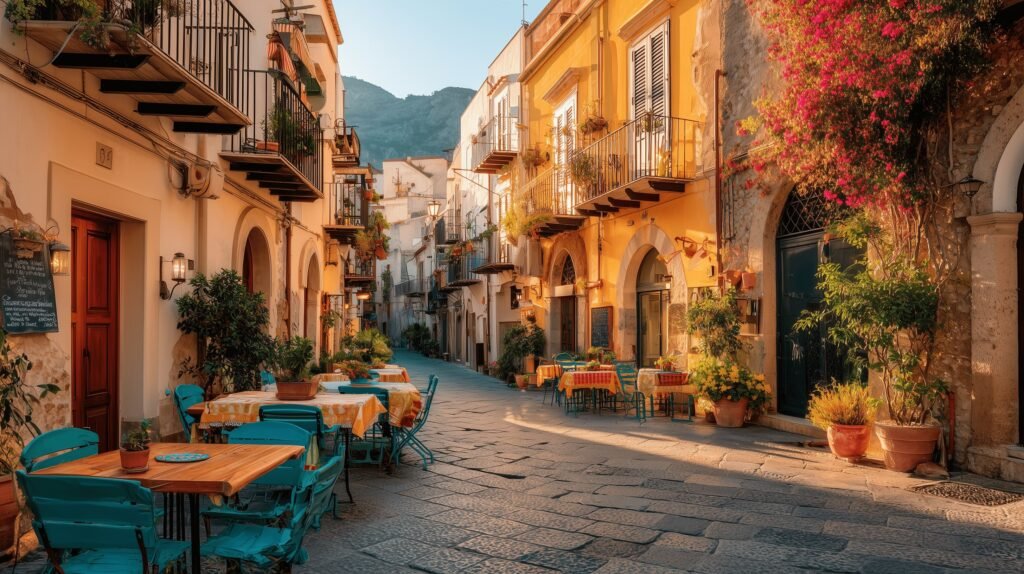
Cefalù’s Centro Storico is a labyrinth of narrow, cobblestone streets. It’s tempting to stay on the main drag of Corso Ruggero for shopping, but the real magic is in the side alleys toward the sea — above all the Lavatoio Medievale, a medieval wash house reached by a curved lava-stone staircase into a cool, subterranean space where spring water still flows through 22 stone-carved basins.
Also on Viator: a food and cultural walking tour with a licensed guide, or for a budget self-guided option, an audio and written walking guide for a few dollars.
Take a Coastal Boat Tour
To truly appreciate the scale of La Rocca and the medieval sea walls, get off the land. Cefalù’s coastline is dotted with hidden sea caves and small “calas” inaccessible on foot — a boat tour lets you escape the crowded main sands and swim in the deep, crystalline water, with most trips stopping near the Mazzaforno or Settefrati rock formations for snorkeling.
It’s also the best angle for photos of the cathedral standing over the town, and most tours include an open bar and traditional Sicilian snacks like sfincione.
Also bookable as a Cefalù boat excursion on Viator.
Wine Tasting in the Madonie Mountains
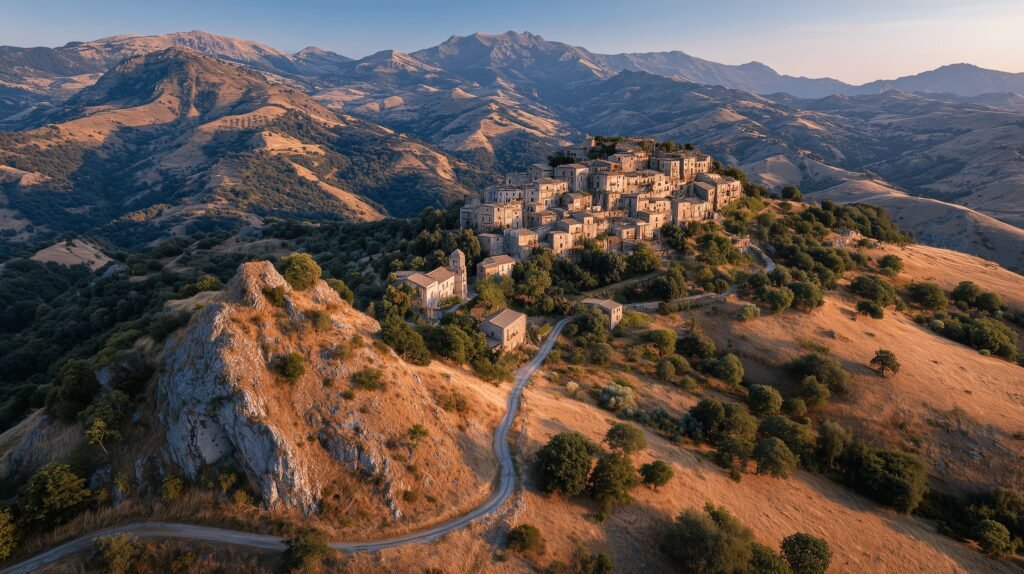
While Cefalù is famous for its coast, the “real” Sicily is hidden 20 minutes inland in the Madonie National Park, where the landscape shifts from sandy beaches to rugged limestone peaks and ancient manna forests. The highlight is the medieval town of Castelbuono, known for its 14th-century castle and its food — wild boar ragù, foraged mushrooms, and world-class organic wines from high-altitude vineyards like Abbazia Santa Anastasia.
Prefer to keep it simpler? An olive oil tasting near Cefalù on Viator is a shorter, lower-key alternative to the full Madonie day trip. Viator also has a Sicilian villages and ricotta tasting tour with lunch covering similar ground.
Where to Stay in Cefalù
Finding the right base is essential — whether you want a balcony overlooking the sea or a quiet villa in the hills. Use the map below to find current rates and availability.
Cefalù FAQ
Is Cefalù worth a day trip from Taormina?
Yes, but it’s a long day — about 2.5 hours each way. If you have the time, stay at least one night. Coming from Taormina, check our Taormina Boat Tour guide to compare the two coasts.
When is the best time to visit Cefalù?
May, June, and September are ideal. July and August are extremely crowded thanks to the “White Lotus” effect and local Italian holidays.
Can I visit the White Lotus hotel in Cefalù?
The hotel (San Domenico Palace) is actually in Taormina, but the beach scenes are here in Cefalù — you can enjoy the same sand and sea as the cast at the Lungomare.
How do you get to Cefalù?
Regular Trenitalia trains connect Cefalù to Palermo in roughly 50–60 minutes, making it an easy day trip or a straightforward first/last stop without needing a car. If you’d rather not deal with train timetables, a guided full-day tour combining Monreale and Cefalù from Palermo handles the transport for you.
Planning more of your Sicily trip? Explore our Sicily travel guide for the rest of the island.
Muy buena información. Gracias por publicarla.