 Skip to content
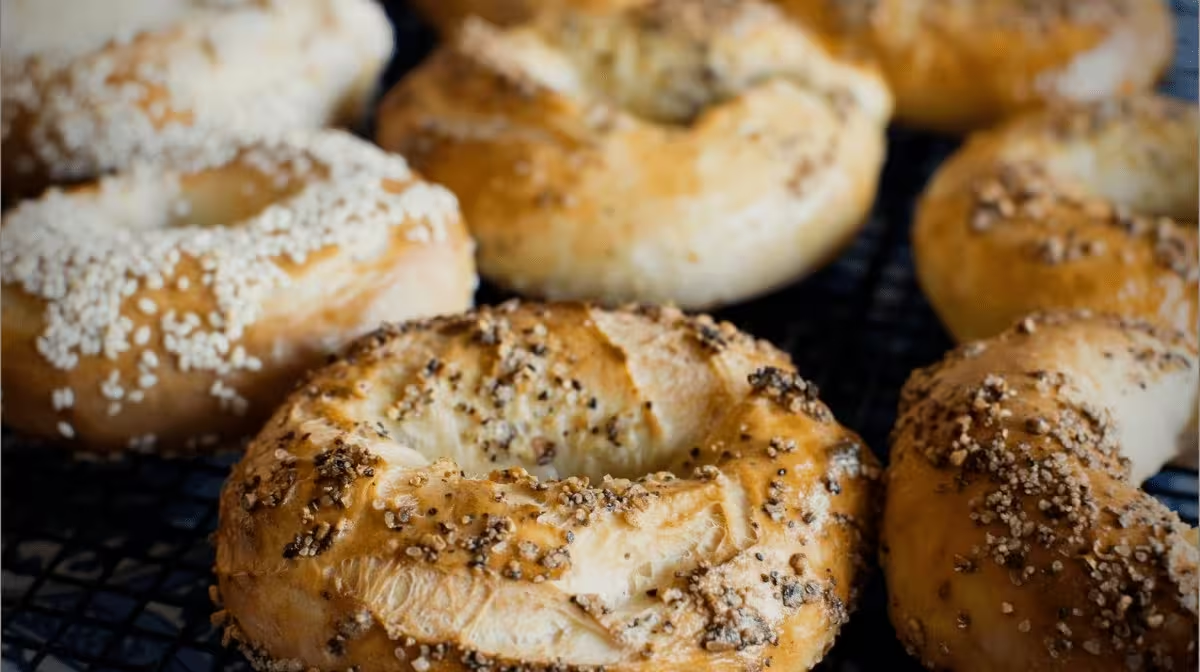
Montreal has real food culture — not just good restaurants, but neighborhoods where food is identity. This Montreal food guide covers iconic foods, neighborhoods, restaurants, and dining tips. Montreal bagels are boiled in honey water and slightly sweeter than New York’s. Poutine has regional pride. Smoked meat has deep roots. Beyond the icons, you’ll find French bistros, Italian in Little Italy, Portuguese, Vietnamese, Greek, and Indian. Walk into a casse-croûte and order in Québécois French. That’s Montreal.
Table of Contents
Mile End — bagel shops, vegetarian bistros, DIY energy
Montreal bagels (St-Viateur or Fairmount), poutine, smoked meat
$12–18 CAD lunch, $25–45 CAD dinner (mid-range)
Bilingual — English and French both spoken in restaurants
Montreal’s Food Culture
Montreal’s food scene is unique because it’s not a single cuisine — it’s layers. French colonial heritage, English commercial influence, and waves of immigration from Italy, Greece, Portugal, Vietnam, China, and beyond all left their neighborhoods intact. Rue Saint-Laurent was historically the dividing line between French and English Montreal. Now it’s a creative corridor where you can eat everything.
The city takes food seriously because food is culture. A bagel shop isn’t just breakfast — it’s a neighborhood institution. Poutine isn’t comfort food — it’s Quebec’s soul food. Smoked meat has generations of technique behind it. This matters in Montreal in a way it doesn’t everywhere else in North America. For a broader overview of Montreal, see our complete Montreal travel guide.
The restaurant scene is democratic. You’ll find world-class food next to street food, all equally authentic. A tiny Italian casse-croûte run by a 70-year-old owner has legitimacy equal to a Michelin-starred bistro. The city respects craft regardless of price.
Iconic Montreal Foods: What to Eat & Where
Montreal Bagels
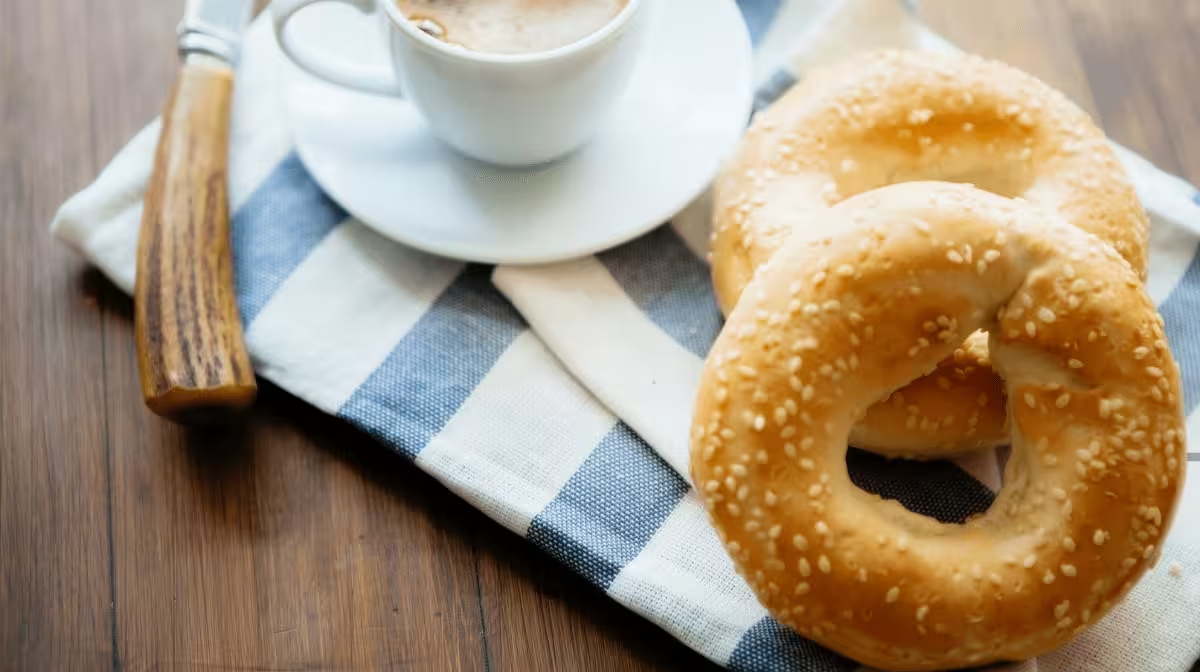
Montreal bagels are an institution. They’re boiled in honey water before baking, making them slightly sweeter and denser than New York bagels. The two legendary spots are St-Viateur Bagel Shop (since 1957, Mile End) and Fairmount Bagel Shop (since 1919, Mile End). Both are tiny, authentic, and sometimes have lineups. Go early or mid-afternoon. A fresh bagel with cream cheese and lox costs around $4–6 CAD.
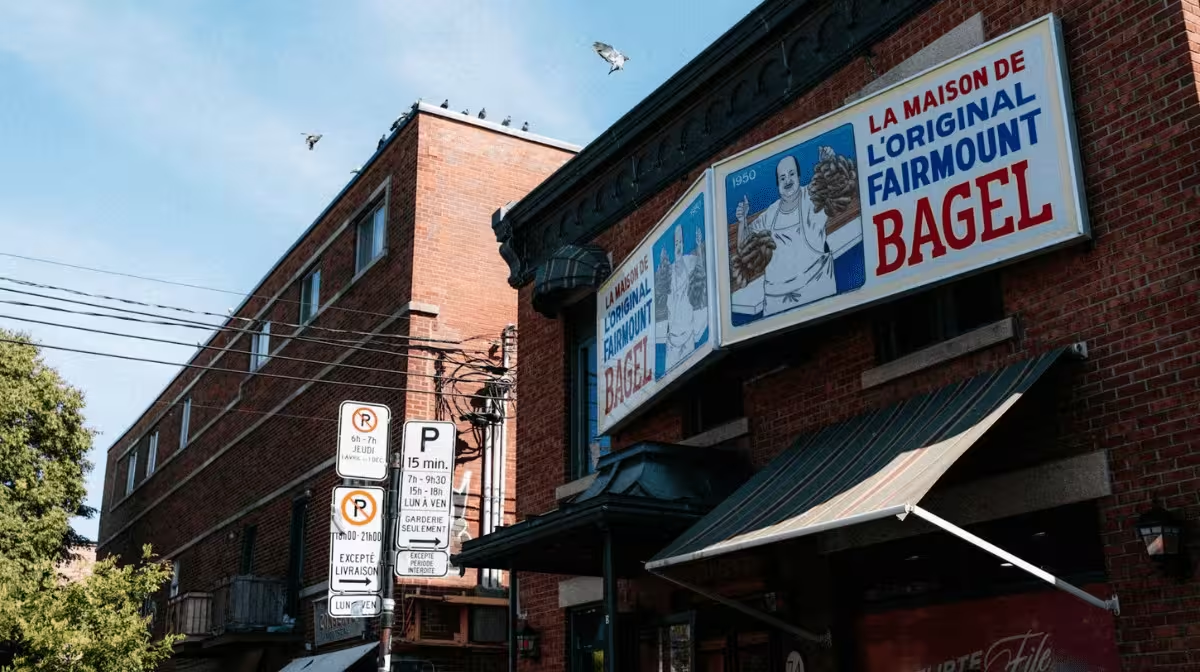
Why it matters: Bagels are more than breakfast in Montreal — they’re a cultural marker. The Mile End bagel wars between St-Viateur and Fairmount have been running for decades. Try both and pick your side.
Poutine
Poutine is fries + gravy + squeaky cheese curds. It originated in Quebec and is Montreal’s soul food. The key is squeaky cheese curds — they should squeak between your teeth. Quality poutine is hand-cut fries, proper gravy (not brown sauce), and fresh cheese curds.
Where to get it:
- Poutine Lafleur (Plateau) — classic, no-frills, generations of regulars
- Smoke Meat Pete’s (Downtown) — poutine with smoked meat on top (game changer)
- La Banquise (Plateau) — open 24 hours, 30+ poutine variations
A basic poutine costs $6–8 CAD. It’s fuel, not cuisine, but Montreal fuel matters.
Smoked Meat
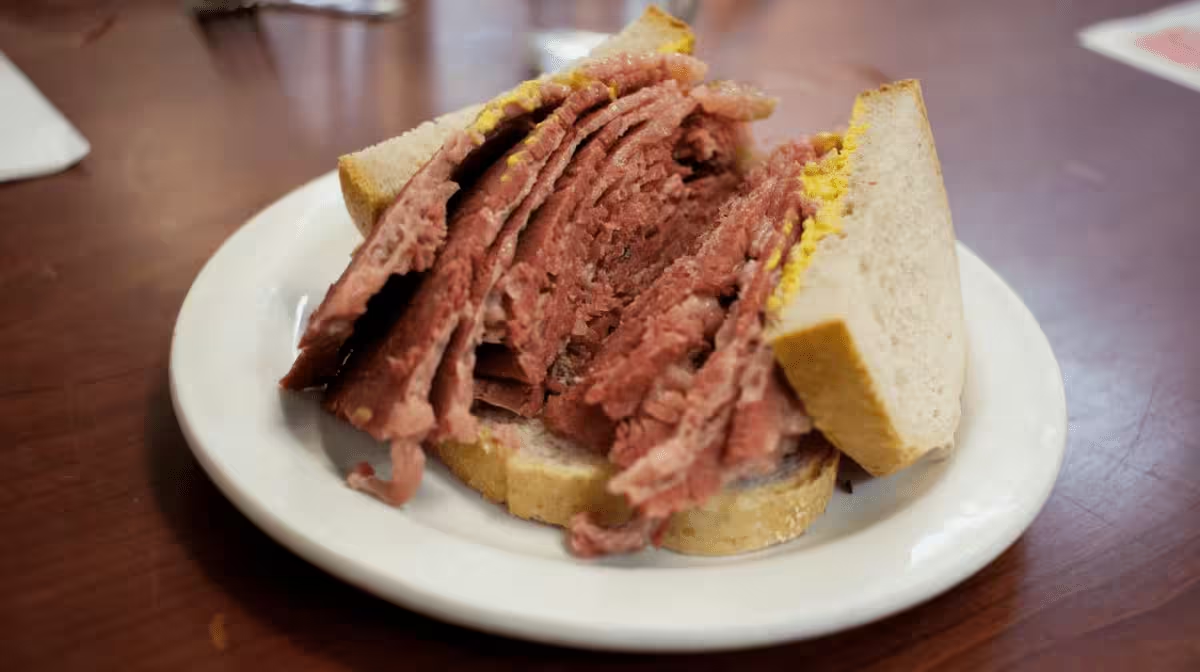
Montreal-style smoked meat (also called Montreal-style brisket) is spiced, brined, steamed, and sliced thick. It’s different from deli meat elsewhere — the spice blend is unique to Montreal. The meat is smoky, tender, and has a distinct Montreal identity.
Where to get it:
- Schwartz’s Delicatessen (Saint-Laurent) — iconic since 1928, always packed, sandwich around $12–14 CAD
- Smoke Meat Pete’s (multiple locations) — excellent smoked meat, slightly less tourist-oriented than Schwartz’s
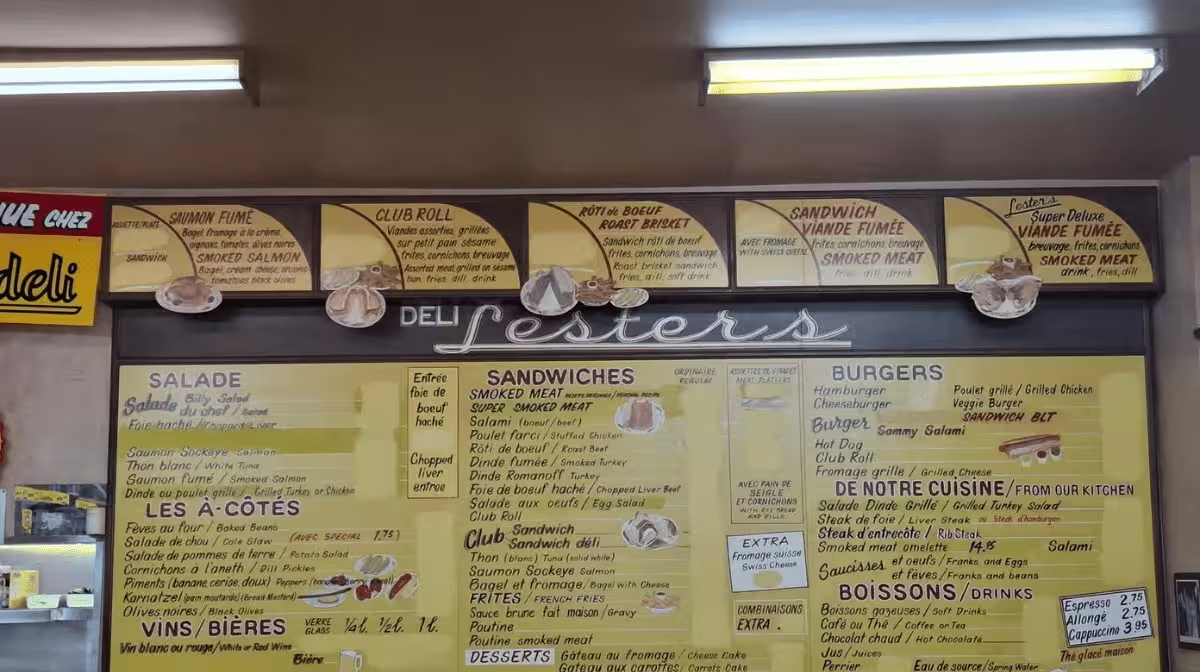
- Lester’s Deli (Lasalle) — family-run, authentic, less crowded than Schwartz’s
A smoked meat sandwich is a full meal — order it on rye with mustard and a side of fries.
Tourtière & French-Québécois Classics
Tourtière is a spiced meat pie — traditionally eaten at Christmas but available year-round at bakeries and restaurants. It’s hearty, flaky pastry, and has deep roots in Quebec. Look for it at boulangeries (French bakeries) or traditional restaurants.
Other classics: butter tarts, sugar pie (tarte au sucre), and cipâte (layered meat and potato pie).
Where to Eat by Neighborhood
Mile End — Bagels, Vegetarian, Bohemian
Mile End is where artists live and food culture thrives. This is bagel territory (St-Viateur and Fairmount are both here). You’ll also find vegetarian bistros, independent cafés where people spend hours, and a DIY energy that makes food feel personal.
What to eat: Montreal bagels, vegetarian brunch, coffee culture, independent casse-croûtes, Thai, Portuguese
Recommended spots:
- St-Viateur Bagel Shop — iconic bagels
- Café Myriade — excellent coffee, light brunch
- Le Vin Papillon — natural wine bar with food
- Wilensky’s — tiny deli, historic, cheap eats
- Beyond the Bagel: Montreal Jewish Food Walking Tour — guided food tour focused on Montreal’s Jewish food heritage, bagels, and smoked meat traditions
Plateau — Indie Casing, French Bistros, Artistic Vibe
The Plateau is where Montrealers actually live. Tree-lined streets, independent restaurants, French bistros, and a neighborhood vibe that hasn’t been fully gentrified. Rue Saint-Denis and Boulevard Saint-Laurent are the main food strips.
What to eat: French bistro food, poutine, pizza, wine bars, vegetarian, Italian (small family places)
Recommended spots:
- Au Pied de Cochon — famous Quebec comfort food (foie gras, duck fat fries)
- La Banquise — poutine 24/7
- Joe Beef — meat-focused bistro, very Montreal
- L’Express — classic brasserie, bistro standards
- Café Myriade (also here) — coffee and light eats
Old Montreal — Historic, Tourist-Friendly, Touristy But Worth It
Old Montreal’s cobblestone streets and historic architecture draw tourists, so restaurants here cater to that audience. Food quality is mixed — some excellent spots, some tourist traps. The neighborhood itself is beautiful, so the eating experience is about atmosphere as much as food.
What to eat: French, Italian, Québécois, seafood, steakhouse, brunch
Recommended spots:
- Taverne Gaspe — French bistro, good value
- Arch — vegetarian fine dining
- Restaurant Magnan — Quebec classics
Little Italy — Italian Family Restaurants, Pasta, Espresso
Little Italy is a tight cluster of Italian restaurants, delis, and espresso bars. The neighborhood is genuine — older Italian families, bakeries, butchers. Restaurants here are family-run and authentic, not trendy.
What to eat: Italian pasta, risotto, pizza, espresso, cannoli, Italian pastries
Recommended spots:
- Cafe Di Mondo — espresso bar, tiny, Italian
- Gattuso — family Italian restaurant
- Boucherie San Gennaro — Italian butcher, eat counter or takeaway
Griffintown — Working-Class, Portuguese, Greek, Emerging Food Scene
Griffintown is less polished than the Plateau but more authentic. It’s traditionally working-class, with Portuguese and Greek populations. You’ll find no-frills restaurants, bakeries, and casual eats that locals love.
What to eat: Portuguese grilled chicken, Greek souvlaki, Portuguese pastries, Greek desserts
Recommended spots:
- Nando’s Piri Piri (Canadian chain, but great) — Portuguese grilled chicken
- Taverna Traka — Greek, family-run
Downtown — Cosmopolitan, Diverse, Lunch Crowds
Downtown is where business people and tourists eat. It’s cosmopolitan — you’ll find everything from Vietnamese pho to high-end steakhouses. The neighborhood is less atmospheric than the Plateau or Mile End, but food quality is generally solid.
What to eat: Everything — Vietnamese, Indian, Japanese, Korean, Chinese, French, steakhouses, casual chains
Restaurant Types & Styles
Casse-Croûte (Lunch Counter)
A casse-croûte is a casual lunch counter — small, no-frills, often run by one or two people. You order at the counter, eat at a bar or small tables. Casse-croûtes serve poutine, smoked meat, grilled cheese, and quick meals. They’re cheap ($6–12 CAD), authentic, and disappearing as real estate gentrifies. If you see one, go in.
Boulangerie (Bakery)
Montreal’s bakeries are serious. French boulangeries (croissants, baguettes, pastries) and Québécois bakeries (pain blanc, pain de seigle) are different traditions. Most offer coffee and light breakfast. Sitting on a bench with a croissant and coffee is a Montreal morning.
Bistro
French bistros are casual restaurants with a specific menu — onion soup, coq au vin, steak frites, duck confit. Montreal’s bistro culture is strong. These are neighborhood places where regulars have favorite tables.
Fine Dining
Montreal has excellent fine dining — Michelin-starred restaurants, tasting menus, chef-driven concepts. These are expensive ($60–150+ CAD per person) but innovative. The city’s French heritage and contemporary culinary energy create interesting fine dining.
Montreal Dining Tips & Logistics
Language
Montreal is bilingual — English and French both spoken. In restaurants, you’ll see menus in both languages. Servers often speak English. If you want to practice French, most locals appreciate the effort and will switch to English if needed. Don’t stress about language in restaurants.
Reservations
Fine dining and popular restaurants require reservations (1–2 weeks ahead in peak season). Casual spots, casse-croûtes, and bakeries are walk-in. Call ahead if it’s dinner on a weekend.
Tipping
Standard tip is 15–20% in restaurants. At casse-croûtes and casual spots, $1–2 CAD is standard. Debit/credit machines often ask you to choose a tip percentage — customize it to what you think is appropriate.
Payment
Most restaurants accept debit and credit. Some older casse-croûtes and bakeries are cash-only. ATMs are abundant.
Meal Timing
Breakfast/Brunch: 8:00 AM – 2:00 PM (popular activity, book ahead for weekend brunch)
Lunch: 12:00 PM – 2:00 PM
Dinner: 6:00 PM – 10:00 PM (Montrealers eat dinner slightly earlier than Europe)
Price Guide
| Type | Lunch | Dinner | Notes |
|---|---|---|---|
| Casse-croûte / Fast Casual | $6–12 | $10–15 | Poutine, smoked meat, quick eats |
| Bistro / Casual Restaurant | $12–18 | $25–45 | French, Italian, Montreal classics |
| Contemporary / Trendy | $15–25 | $35–65 | Modern cuisine, wine-focused |
| Fine Dining | N/A | $60–150+ | Tasting menus, chef-driven |
Best Times to Visit for Food
Summer (June–August): Patios open, outdoor café culture, food festivals
Spring (April–May): Restaurants reopen after winter, fresh seasonal menus
Fall (September–October): Back-to-school energy, harvest season, still warm
Winter (November–March): Comfort food season, tourtière season, holiday specialties
Frequently Asked Questions
What’s the difference between Montreal bagels and New York bagels?
Montreal bagels are boiled in honey water before baking, making them sweeter and denser. New York bagels are boiled in plain water. Montreal bagels are smaller (you eat two instead of one). Most locals prefer Montreal bagels; it’s a regional point of pride.
Is poutine really good or just a tourist thing?
Poutine is real. Quality poutine (hand-cut fries, proper gravy, fresh cheese curds) is genuinely delicious. Cheap poutine is mediocre. Go to a neighborhood spot like Poutine Lafleur rather than a tourist trap and you’ll understand why Quebecers defend it.
Where should I eat smoked meat?
Schwartz’s is iconic but touristy and crowded. Smoke Meat Pete’s is excellent with less hassle. If you want authentic and local, try Lester’s Deli (less famous, more genuine). All are good — pick based on vibe you want.
Do I need to speak French to eat at restaurants?
No. Montreal is bilingual. Menus are in English and French. Servers speak English (especially in tourist areas). That said, learning a few phrases (bonjour, s’il vous plaît, merci) is appreciated and opens doors in neighborhood spots.
What’s a good Montreal meal under $20 CAD?
Poutine ($6–8), Montreal bagel with cream cheese ($4–6), smoked meat sandwich from a deli ($12–14), or a casse-croûte meal ($8–12). The city has excellent cheap eats if you know where to look.
Is Montreal restaurant food expensive?
Montreal is cheaper than major US cities. A decent dinner in a bistro is $25–45 CAD per person. Fine dining is $60–150+ CAD. Casual eats are very affordable. Compared to New York or San Francisco, Montreal food is a bargain.
What’s the best neighborhood for food?
Mile End for bagels and bohemian vibe. Plateau for neighborhood authenticity and bistros. Old Montreal for atmosphere (tourist-friendly). Little Italy for Italian food. Griffintown for Portuguese and Greek. Downtown for cosmopolitan options. Depends on what you want.
Can I find vegetarian options in Montreal?
Yes. Montreal has a strong vegetarian scene — Mile End has vegetarian bistros, the Plateau has options, and most restaurants offer vegetarian mains. It’s not as meat-centric as other cities (tourtière and poutine are things, but they’re not everything).
Browse Montreal accommodation →