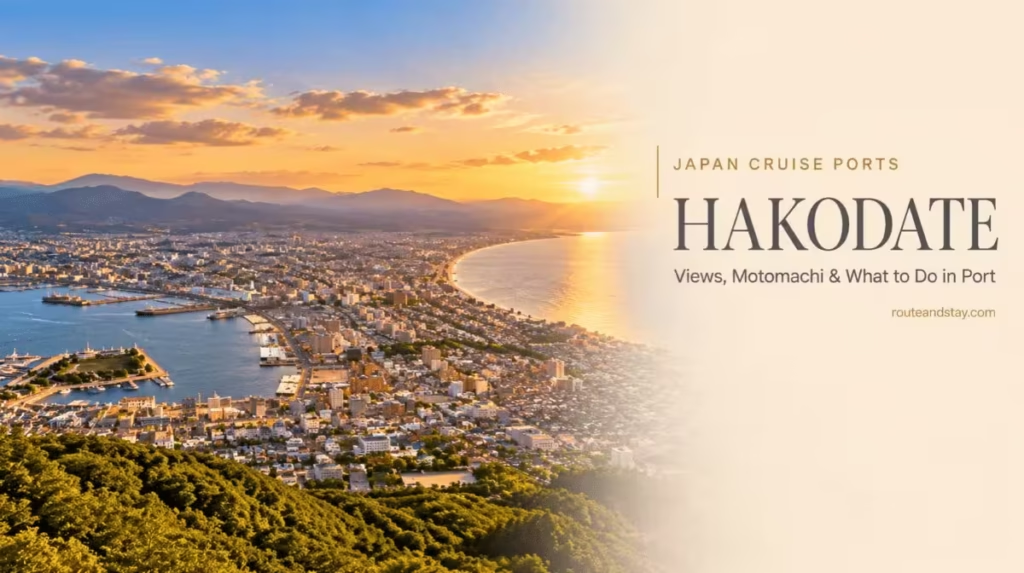
Of every port on our Tokyo-to-Seoul cruise, Hakodate is the one built around a single, famous view — and the one honest twist in our story is that we saw it at the wrong time of day. Mount Hakodate’s ropeway is world-famous for its night view; we rode it at 10am, bound by a cruise schedule that didn’t leave room to come back after dark. It was still spectacular. Here’s the whole day: the mountain, the color-block churches of Motomachi, the hill everyone photographs, the red brick warehouses, and the two well-known stops we chose to skip.
Quick summary: We took a taxi straight from the port to the Mount Hakodate Ropeway base station, rode up for the hourglass-shaped panorama (in the morning — the famous version of this view is after dark), came back down near the cable car to walk Motomachi’s cluster of historic churches, stopped at Hachimanzaka Hill for the classic downhill photo, then finished at the Kanemori Red Brick Warehouses for shopping and lunch. We didn’t have time for Goryokaku Fort & Tower or the Hakodate Morning Market — both genuinely worth doing if your port day allows it, and both covered below.
Mount Hakodate: The View That Gives the City Its Shape
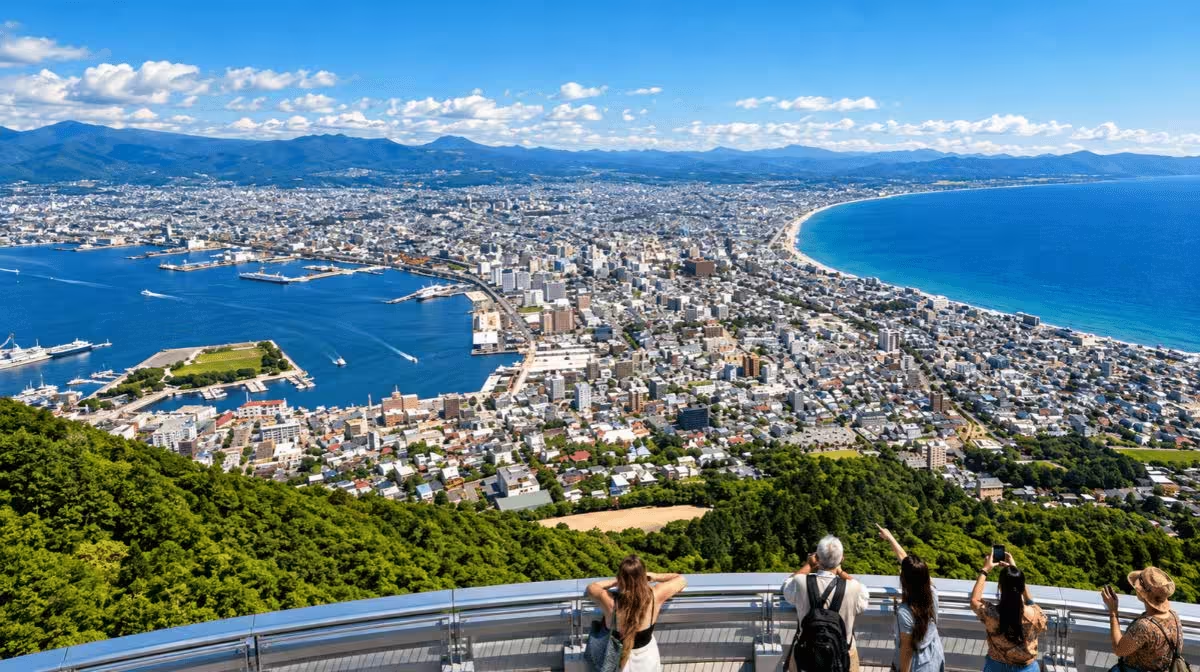
Hakodate sits on a narrow strip of land pinched between two bays, and there’s only one place to really understand what that means: the observation deck at the top of Mount Hakodate. We took a taxi straight from the cruise terminal to the ropeway’s base station, then rode the cable car up. From the top, the whole city unfolds into the hourglass shape it’s famous for — land narrowing to a thread between Hakodate Bay on one side and the open Tsugaru Strait on the other. We could pick out our own ship, small and white, sitting at the port far below.
Worth knowing: the version of this view everyone photographs — the one on postcards, the one that gets Mount Hakodate ranked alongside Kobe’s Mt. Maya and Nagasaki’s Mt. Inasa as one of Japan’s Three Great Night Views — happens after dark, ideally about 30 minutes after sunset, once the city below is lit up. We didn’t get that version. Bound by a single cruise day, we rode up mid-morning instead, and the daytime hourglass panorama was still one of the best views of the whole trip — just a different, quieter kind of impressive. If your ship overnights in Hakodate, or you’re adding a hotel night before or after the cruise, the night ropeway is worth planning around specifically.
Mount Hakodate Ropeway
Round-Trip Cable Car to the Summit
Adult round-trip fare is ¥1,800 (¥1,650 for groups of 15+). The ropeway runs from 10:00am, with last ascent at 9:50pm (Apr 20–Sep 30) or 8:50pm (Oct 1–Apr 19) — the operator’s own advice is that the night view is best about 30 minutes after sunset.
From the port: a taxi to the ropeway’s base station covers roughly 4.6–5.2 miles and takes about 9 minutes (around $27–35) — the practical option on a port day. Walking the same route takes closer to 90 minutes.
Motomachi: Churches, Color & Curated Gardens
Coming back down, close to the cable car, we walked into Motomachi — Hakodate’s old foreign-quarter hillside, where a genuinely unusual concentration of churches from completely different traditions sit within a few minutes’ walk of each other, each a different color, each still an active place of worship. Add in curated gardens and open views back down over the city, and it’s an easy, unhurried hour or two after the mountain.
Russian Orthodox
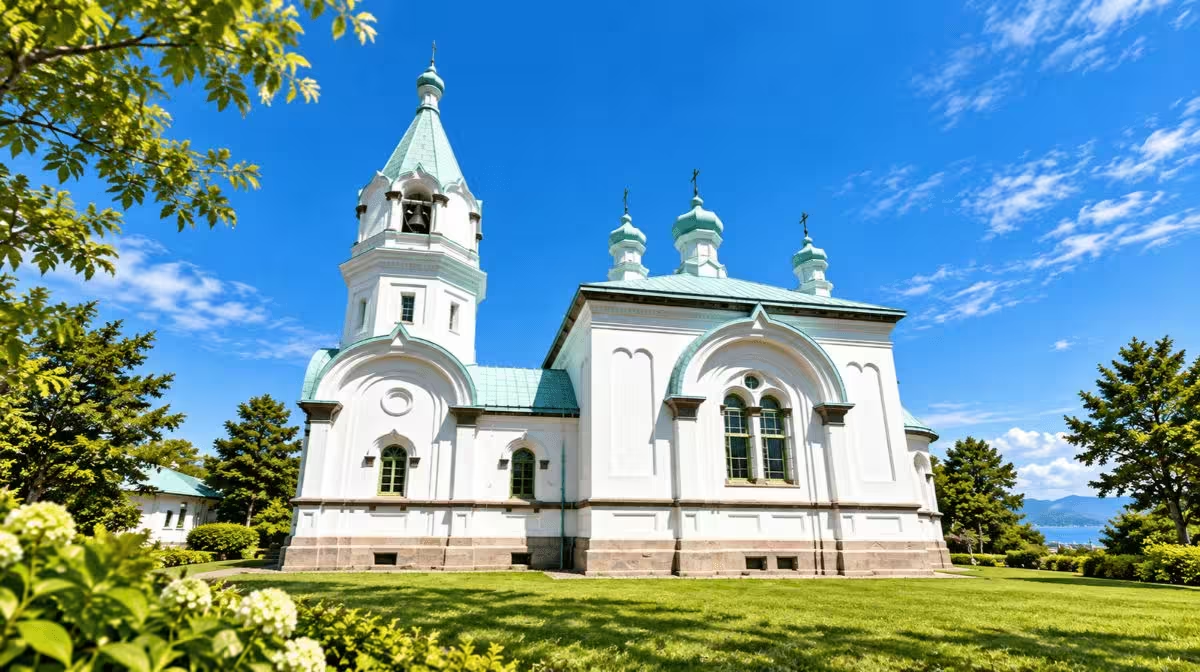
Hakodate Orthodox Church
The oldest of the three, tracing back to the Russian Consulate’s founding of the parish in 1858; the current white building with its green domes dates to 1916 and holds Important Cultural Property status. Admission is a ¥200 donation.
Hours: 10am–4pm weekdays and Saturdays, 1pm–4pm Sundays. Closed late December through February.
Catholic
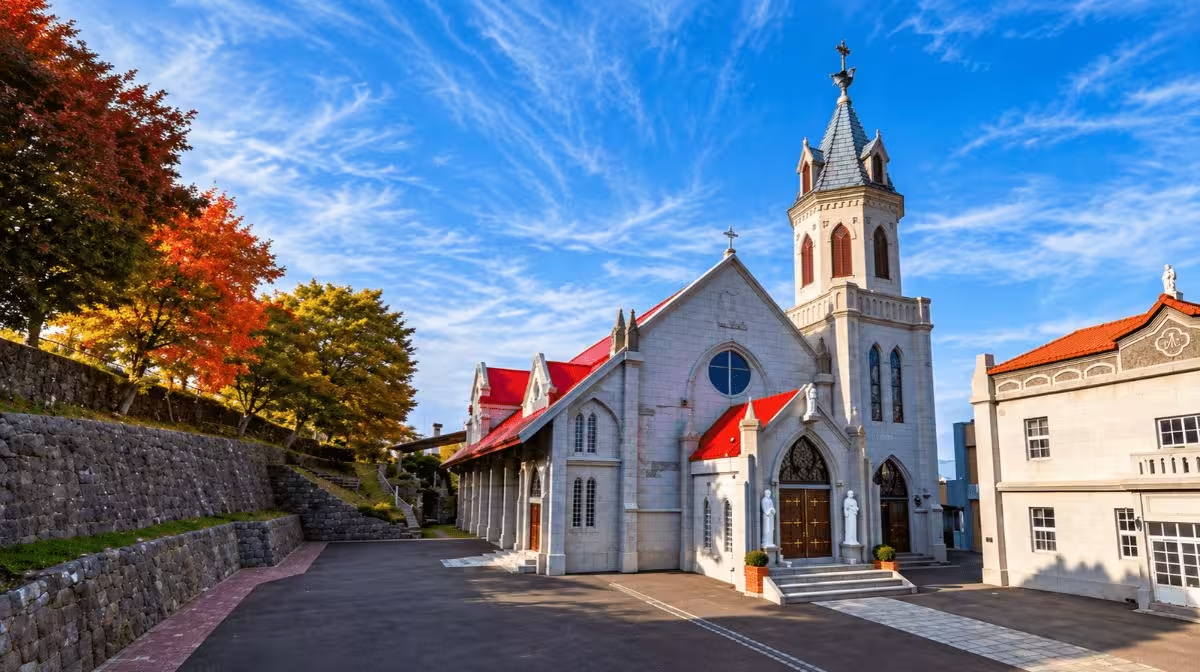
Motomachi Catholic Church
Founded in 1859, rebuilt in Gothic style in 1924 after fire damage — and rebuilt with an unusual gift: it holds the only altar in Japan presented by a Pope, sent by Pope Benedict XV as a condolence after the fire. A 33-meter bell tower and sharply pointed roof make it the most dramatic silhouette on the street.
Hours: 10am–4pm (Sundays outside of worship times). Closed Dec 30–Jan 5. Free to view from outside; check current access for the interior.
Anglican / Episcopal
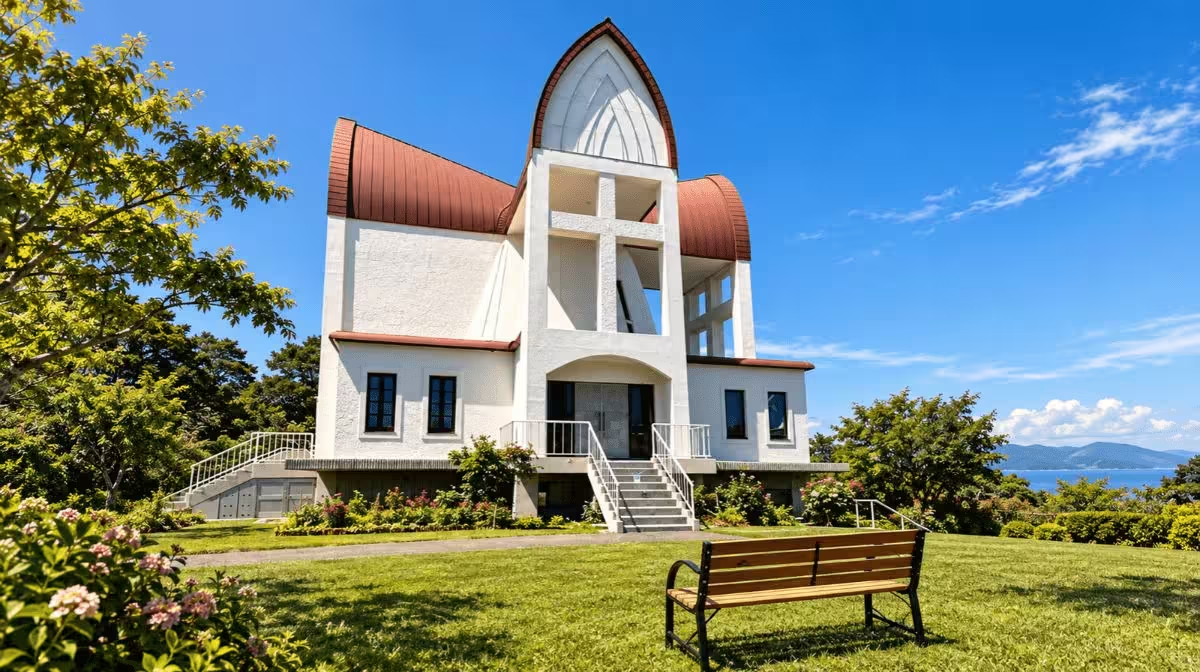
Hakodate St. John’s Church
The newest of the three by building age — the congregation dates to an English priest’s visit in 1874, but the current building was completed in 1979, known for its distinctive cross-shaped roofline. Free entry.
Hours: 10am–4pm, closed during services. Seasonal closure Nov 4–Apr 30, so this one’s worth double-checking if your cruise falls at the edges of the season.
Historic Landmark
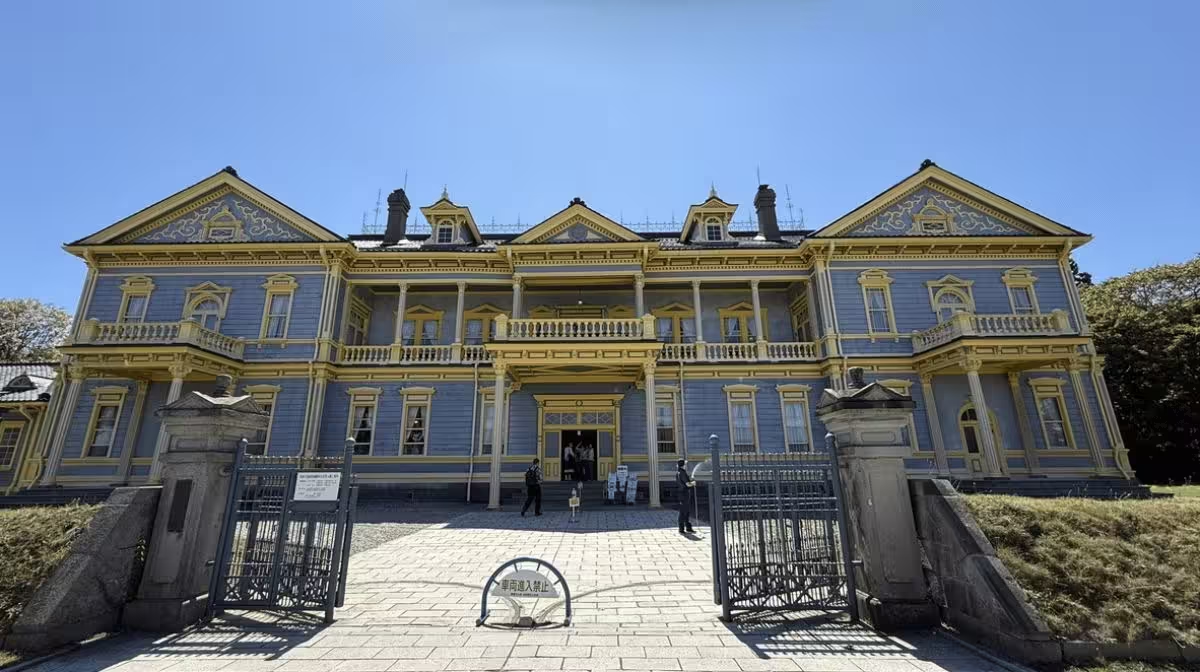
Former Public Hall of Hakodate Ward (Kyu Hakodate-ku Kokaido)
The other building that’s impossible to miss on the Motomachi walk — a striking mustard-yellow and gray Western-style hall from 1910, its Colonial Revival balconies and symmetrical facade a short walk from the church cluster.
Hachimanzaka Hill
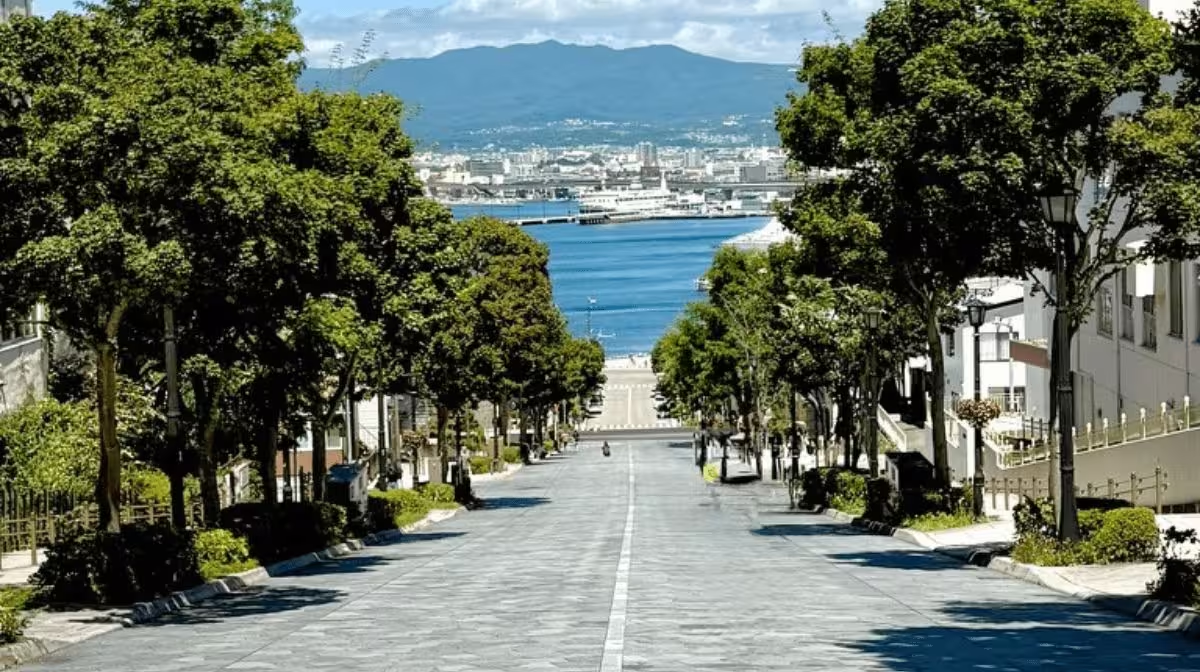
This gets its own stop rather than getting folded into the general Motomachi walk, because it’s genuinely one of the city’s signature images: a wide, dead-straight street running downhill in a direct line toward Hakodate Bay, framed by evenly spaced trees and old-fashioned lampposts on both sides. It’s the official city guide’s own pick as one of Hakodate’s best photo locations, and the advice holds up — go before around 10am if you want the street to yourself rather than sharing it with everyone else’s photos.
Hachimanzaka, framed by its lampposts and evenly spaced trees, running straight down to the bay.
Tip: Hachimanzaka sits right in the Motomachi district, an easy add between the church walk and heading down toward the waterfront and Kanemori — no detour required.
Kanemori Red Brick Warehouses
From Motomachi we made our way to Hakodate’s old waterfront warehouse district — now one of the city’s most popular shopping and dining stops, and an easy, low-effort way to close out a walking day.
Waterfront Shopping & Dining
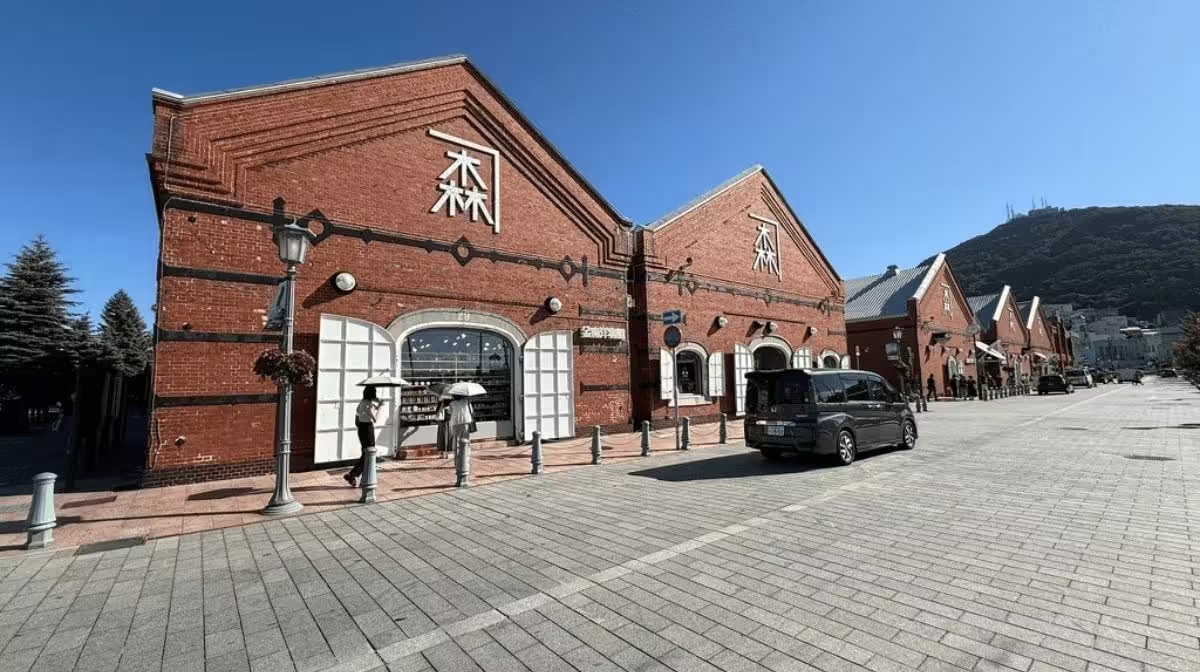
Kanemori Red Brick Warehouses
Hakodate’s warehouse trade here dates back to 1887; the seven brick warehouses standing today were rebuilt in 1909 and now hold around 50 shops and restaurants across four connected areas — BAY Hakodate, Kanemori Yobutsukan, Hakodate History Plaza, and Kanemori Hall. Entry is free; you only pay for what you buy or eat.
Hours: shops generally run 9:30am–7pm; the on-site Hakodate Beer Hall stays open later (11:30am–9:30pm weekdays, 11am–9:30pm weekends), open daily except the New Year holiday period.
What We Skipped: Goryokaku Fort & Tower
This is the honest part. A single cruise day in Hakodate genuinely doesn’t stretch to everything, and Goryokaku was the trade-off we made for the mountain, Motomachi, and the warehouses. It’s probably the most visually distinctive sight in the whole city, and if your port day has more room in it than ours did, it deserves a spot on the list.
Star-Shaped Fort
Goryokaku Fort & Goryokaku Tower
A huge five-pointed, star-shaped fort completed in 1864 — its shape is the whole point, and you can’t actually appreciate it from ground level. Walk the park first, then go up Goryokaku Tower, where the observation deck is what turns the star from an abstract idea into something you can actually see. The reconstructed Hakodate Magistrate’s Office stands inside the fort grounds.
Tower admission: ¥1,200 adults, open 9am–6pm, year-round with no regular closing days.
Also Worth Doing: Hakodate Morning Market
The other stop we didn’t have time for — and one of the easiest to actually fit in, since it sits right beside Hakodate Station rather than requiring a taxi or detour.
Seafood & Local Produce
Hakodate Morning Market (Asaichi)
Around 250 shops selling fresh seafood, fruit, vegetables, sweets, and other Hokkaido specialties, spread across roughly four city blocks right next to the station. Free to browse — you only pay for what you eat or buy.
Hours: daily from 5am (6am January–April) to 2pm. Best done early, ideally as breakfast, before the day’s other stops.
Getting Around From the Port
Hakodate’s cruise berth sits a genuine taxi ride from the city’s main sights, not a walkable distance for most of them. The Mount Hakodate Ropeway base station is roughly 4.6–5.2 miles from the port — about a 9-minute taxi ($27–35) or closer to 90 minutes on foot. On a single port day, a taxi (or a tour that includes transport, like the ropeway/port-walk combination below) is the realistic way to fit in the mountain plus Motomachi, Hachimanzaka and Kanemori in one go.
Where to Stay Near Hakodate
Most cruise passengers won’t need a hotel here, but if you’re adding a night before or after your sailing — worth it, if you want a real shot at that famous night view — here’s what’s available around the city.
Tours & Tickets
Everything mentioned above that you can book ahead of time — the ropeway and port-walk combination, Goryokaku Tower, and a broader guided option if you’d rather have someone else handle the route.
Guided Option
Hakodate: 4-Hour Cultural and Historical Highlights Tour
A guided half-day covering the city’s main historic sights in one go — a good option if you’d rather not self-navigate the taxi/ropeway/Motomachi route yourself.
Is Mount Hakodate worth doing if I can only go in the daytime?
Yes. The famous version of the view is after dark, but the daytime hourglass panorama over the two bays is still genuinely impressive — we did it mid-morning on a single port day and don’t regret it.
How do I get from the cruise port to Mount Hakodate?
By taxi — roughly 9 minutes and $27–35 for the 4.6–5.2 mile ride to the ropeway’s base station. Walking the same route takes about 90 minutes.
Can I see the Mount Hakodate night view from a cruise ship?
Only if your ship overnights in port or you add a hotel stay before or after the cruise — most single-day port calls won’t have you ashore after dark, which is when the view is at its best.
Is Goryokaku Fort worth visiting on a short port day?
It’s genuinely one of Hakodate’s most distinctive sights, but it’s a real trade-off against Mount Hakodate, Motomachi and Kanemori on a single day — we chose to skip it. If you have more time in port than we did, it’s worth the detour.
What’s the best time to visit Hachimanzaka Hill for photos?
Before around 10am, per the city’s own recommendation — it’s one of Hakodate’s most photographed streets, and it gets busy with other visitors doing the same shot later in the day.
Planning the Rest of Your Japan Cruise?
See every port on our Tokyo-to-Seoul cruise series, plus how to plan your trip.
To provide the best experiences, we use technologies like cookies to store and/or access device information. Consenting to these technologies will allow us to process data such as browsing behavior or unique IDs on this site. Not consenting or withdrawing consent, may adversely affect certain features and functions.
Functional
Always active
The technical storage or access is strictly necessary for the legitimate purpose of enabling the use of a specific service explicitly requested by the subscriber or user, or for the sole purpose of carrying out the transmission of a communication over an electronic communications network.
Preferences
The technical storage or access is necessary for the legitimate purpose of storing preferences that are not requested by the subscriber or user.
Statistics
The technical storage or access that is used exclusively for statistical purposes.The technical storage or access that is used exclusively for anonymous statistical purposes. Without a subpoena, voluntary compliance on the part of your Internet Service Provider, or additional records from a third party, information stored or retrieved for this purpose alone cannot usually be used to identify you.
Marketing
The technical storage or access is required to create user profiles to send advertising, or to track the user on a website or across several websites for similar marketing purposes.
 Skip to content