 Skip to content
Switzerland Travel Guide
Start in Basel, where the Rhine, the Old Town and a serious art scene meet at the borders of France and Germany. More Swiss cities are on the way.
Switzerland rewards a little planning: the right base, the right rail pass and the right season.
We are building this guide city by city, starting with Basel. Expect where-to-stay picks, tours, Christmas markets and day trips.
Switzerland at a Glance
- Capital
- Bern (the federal city)
- Largest city
- Zurich
- Population
- About 9.1 million
- Area
- About 41,300 km²
- Location
- Central Europe, landlocked
- Neighbours
- Germany, France, Italy, Austria, Liechtenstein
- Languages
- German, French, Italian and Romansh
- Cantons
- 26
- Currency
- Swiss franc (CHF)
- Highest point
- Dufourspitze, 4,634 m
Switzerland sits in the heart of Europe, a landlocked country about 220 km from north to south and 350 km from west to east. Roughly 60% of its land is Alpine, with the Central Plateau holding most of the population and the Jura mountains along the north-west.
It is a federation of 26 cantons, with Bern as the seat of government and Zurich as the largest city. Language changes with the map: German in the north and east (Basel, Zurich, Lucerne), French in the west (Geneva, Lausanne) and Italian in the south (Ticino), with Romansh spoken in parts of Graubünden.
Switzerland is not in the European Union but is part of the Schengen Area, so you cross its borders with France, Germany and Italy without routine passport checks. Basel is one of the easiest places to see this, where Switzerland, France and Germany meet at the Rhine.
City Guides
Pick your base. Each guide covers what to see, where to stay and how to plan it.
Guides & Seasonal Highlights
Our Basel guides, including the Christmas markets.
Planning Your Trip to Switzerland
The basics that shape every itinerary.
Best time to visit
Late spring to early autumn suits lakes, hiking and city sightseeing. Winter brings Christmas markets in December and ski season in the Alps. Check conditions with Switzerland Tourism before booking mountain plans.
Getting around
Swiss trains are frequent and well connected. Check timetables and fares on SBB, and compare a rail pass against point-to-point tickets if you plan several long trips.
Money
Switzerland uses the Swiss franc (CHF), not the euro. Cards are widely accepted, but it is useful to carry a little cash for small purchases.
Where to start
Basel is an easy first stop: compact, walkable and close to France and Germany. Our guide starts there.
Switzerland FAQ
Quick answers to the questions we hear most.
What is the best time to visit Switzerland?
Late spring to early autumn is best for lakes, hiking and sightseeing. December is the season for Christmas markets, and the Alps are busiest for skiing in winter.
Does Switzerland use the euro?
No. Switzerland uses the Swiss franc (CHF). Some places near the borders may accept euros, but you should plan to pay in francs.
How do you get around Switzerland?
By train for most trips. Check SBB for timetables and fares, and compare a rail pass with individual tickets based on how much you plan to travel.
Where should you start a first Swiss trip?
Basel is a good easy start: a compact Old Town, strong museums and simple rail links to other Swiss cities and neighbouring countries. Our Basel guide covers where to stay and what to do.
Which Swiss cities will you cover?
We are starting with Basel and plan to add more Swiss cities over time.
Official Resources
Official sites worth bookmarking for opening hours, events, transport and the latest travel information.
Save Switzerland for Later
Pin our Basel guide to your Switzerland travel board.
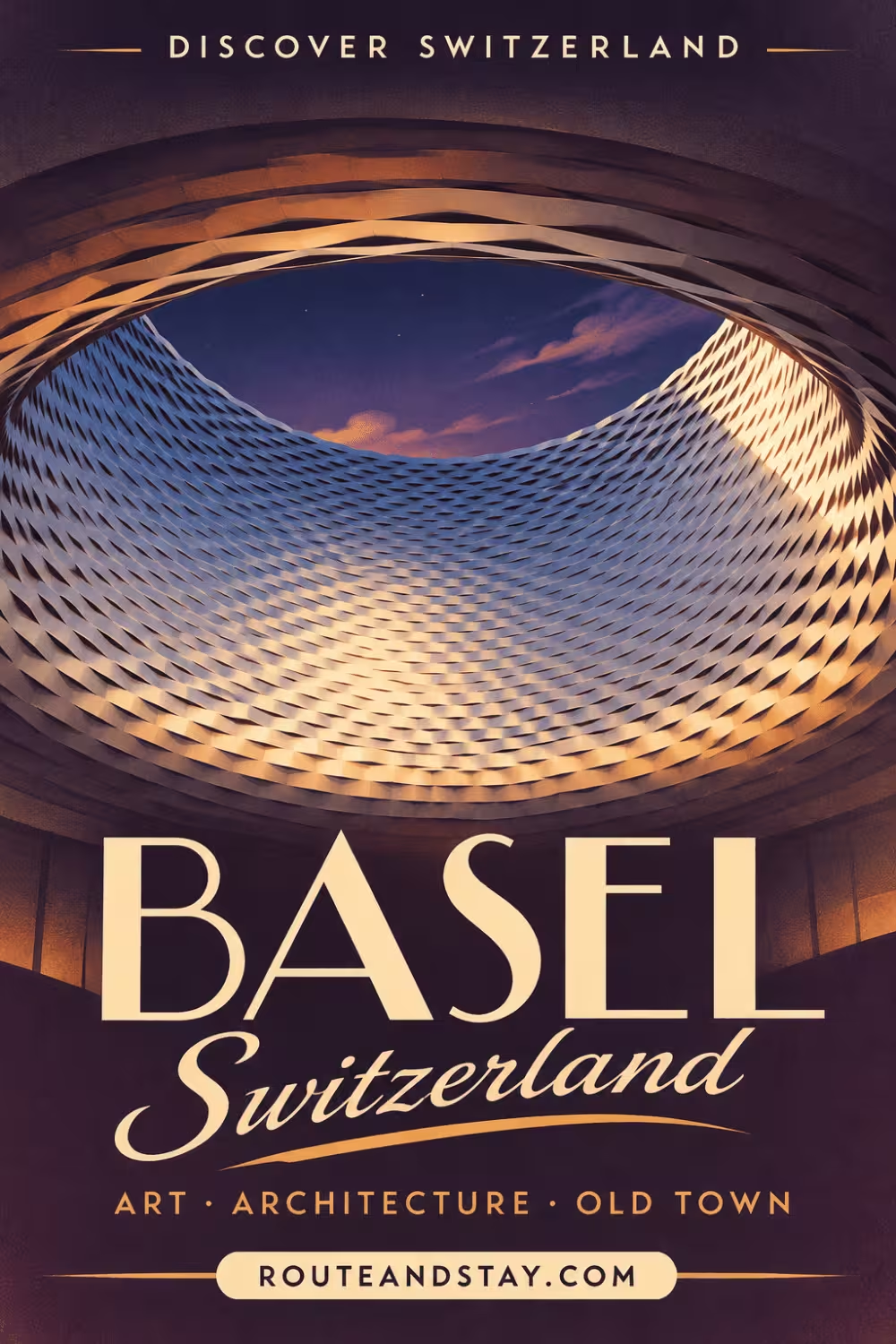 Basel, Switzerland: art, architecture and Old Town.
Exploring beyond Switzerland?
Browse our guides to France, Italy, Belgium and more European destinations.
France Travel Guide