 Skip to content
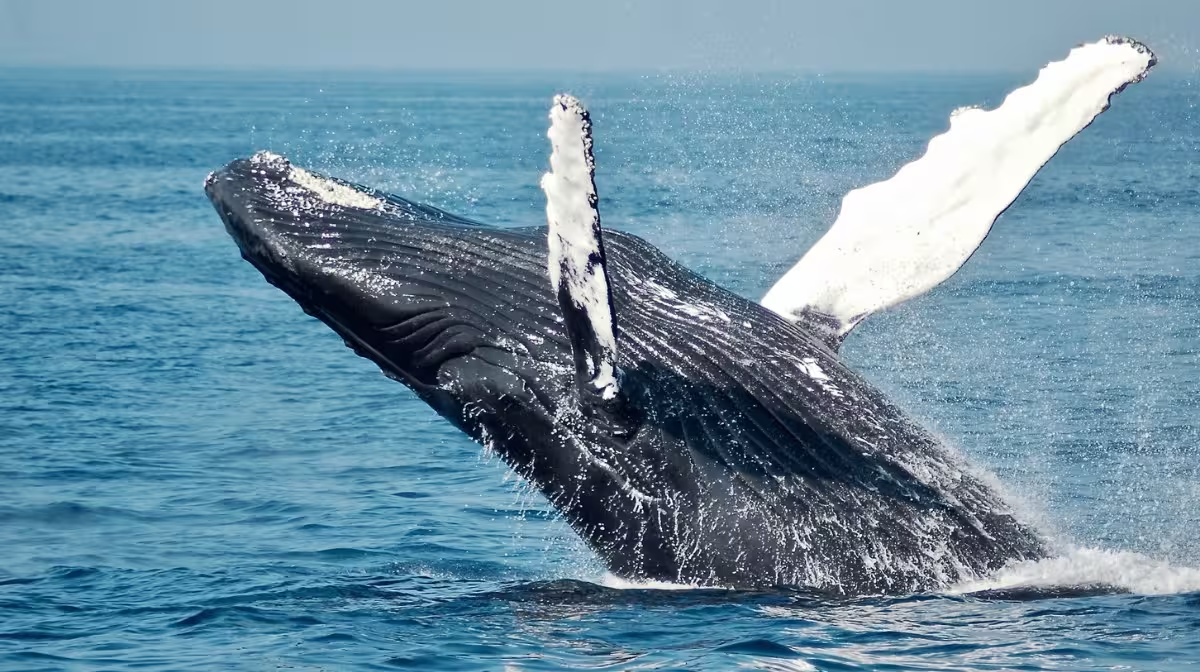
One of our favorite experiences during our Boston visit was taking the City Cruises Boston Whale Watching Cruise by High-Speed Boat. The fast and comfortable catamaran quickly reached Stellwagen Bank—one of New England’s best whale-watching areas—giving us plenty of time to spot whales, dolphins, and seabirds while onboard naturalists shared fascinating insights into marine wildlife and conservation efforts.
We were fortunate to see several humpback whales during our cruise, but there are important things to know before booking. Whale sightings can never be guaranteed, sea conditions vary, and even in summer it can feel surprisingly cold offshore. After taking this tour ourselves, here’s everything we learned about what makes a great whale-watching experience in Boston.
At a Glance
Cruise Name
City Cruises Boston
High-speed catamaran whale watching
Duration
3–4 hours
Includes travel to Stellwagen Bank
Price
$85–120
Per person; kids discounts available
Season
June–October
Peak: July–August
What is the Boston Whale Watching Cruise?
The City Cruises Boston Whale Watching Cruise is a narrated tour aboard a modern high-speed catamaran that takes you from Boston’s downtown waterfront to Stellwagen Bank, a marine sanctuary about 25 miles offshore. The route crosses through Massachusetts Bay, one of the most productive whale-watching areas on the East Coast.
The cruise is designed to balance speed and comfort. The boat reaches Stellwagen Bank quickly—typically within 45 minutes—leaving most of the 3–4 hour cruise duration for actual whale watching. This is important because it maximizes your time where the whales actually are, rather than spending half the day traveling.
On board, you’ll find onboard naturalists (marine biologists or certified educators) who provide real-time narration. They explain whale behavior, identify species, discuss marine conservation, and answer questions. Amenities include indoor and outdoor seating, a concession bar (snacks and drinks), and clean restrooms.
Our Experience on the Water
We booked the 10:00 AM departure on a mid-July Tuesday. The weather was clear, seas were calm, and we arrived at the dock about 30 minutes early to explore the boat and grab coffee before departure.
The Journey Out
The ride out to Stellwagen Bank took approximately 45 minutes. The catamaran is smooth and stable, even in slightly choppy water. We stayed mostly on deck to enjoy the views and watch for wildlife early. The crew pointed out several seabirds along the way, which kept the early portion interesting.
Spotting the Whales
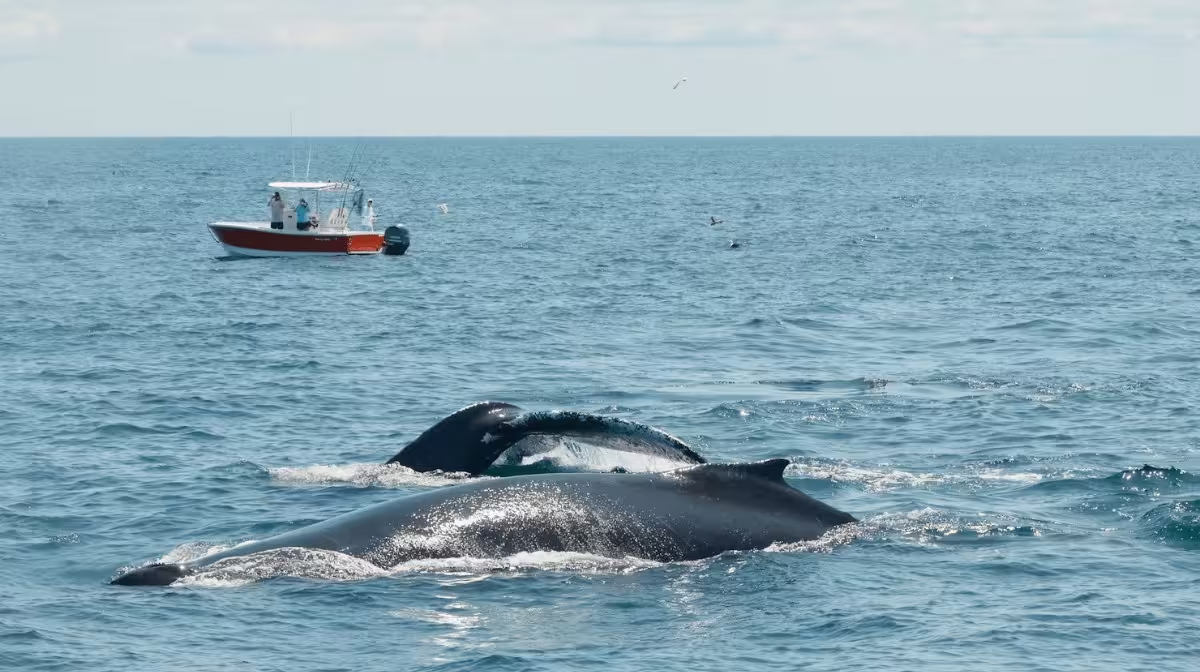
Our first whale sighting came about 15 minutes after reaching Stellwagen Bank. A humpback whale breached—jumping almost fully out of the water—near our starboard side. The crew quickly guided us to the best viewing position, and we spent the next hour watching three separate humpback whales feeding, playing, and diving. We also spotted dolphins and several species of seabirds.
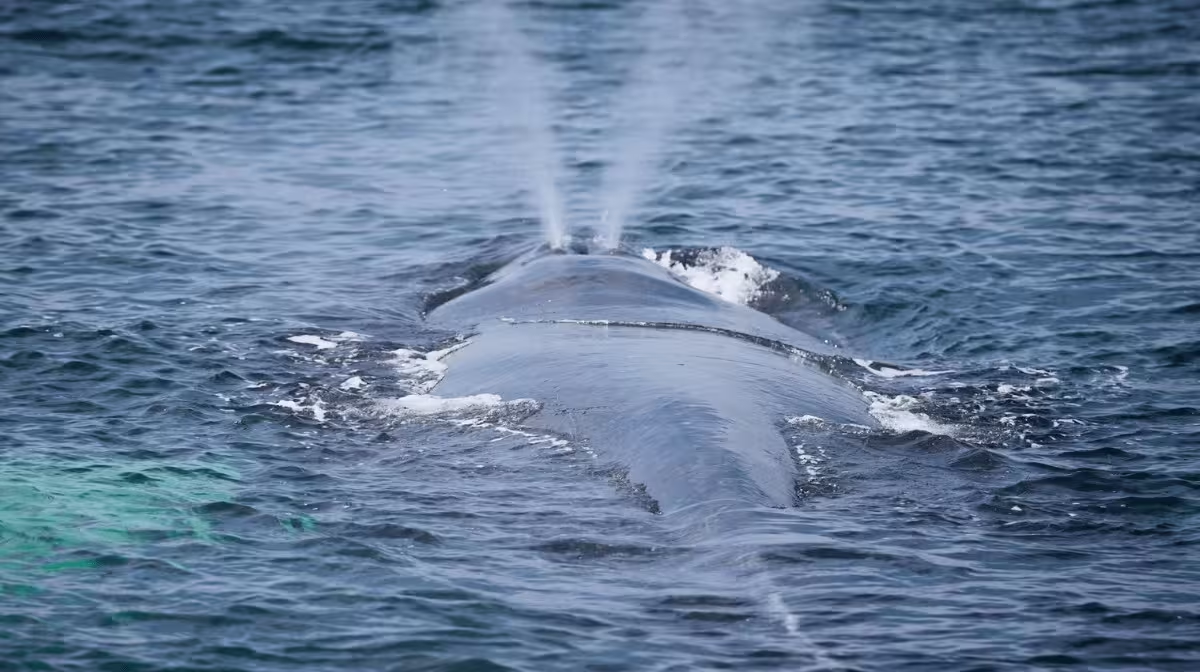
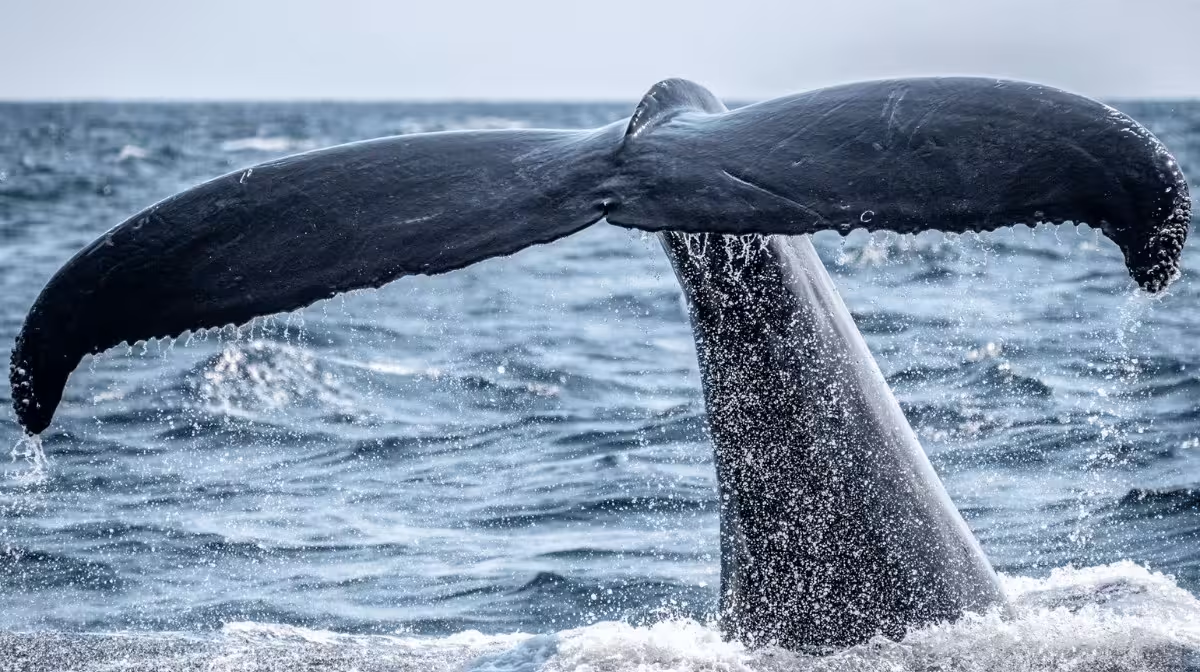
The naturalist provided narration throughout: explaining why humpbacks breach (likely feeding behavior), how we identify individual whales by their flukes (tail shapes are unique, like fingerprints), and conservation efforts protecting them. This educational component genuinely enhanced the experience.
The Return Journey
On the way back to port, the boat moved through the water at a good pace. Most passengers were tired but happy, reviewing photos and discussing what we’d seen. Arrival back at the dock was on schedule, around 11:45 AM.
What to Expect & How to Prepare
The Cold
Even in July, it felt surprisingly cold offshore. The boat moves fast, wind chill is real, and the ocean doesn’t warm much even in summer. We wore light jackets and were grateful we did. By August, the water is slightly warmer, but a jacket is still essential. Bring layers.
Potential for Rough Seas
Our waters were calm, but whale-watching boats can experience rough conditions. If you’re prone to seasickness, sit amidships (middle of the boat where you feel movement less), look at the horizon, and consider taking motion-sickness medication before boarding. The boat’s speed actually helps—you get to Stellwagen Bank and back before conditions worsen.
Duration & Physical Demands
The cruise is 3–4 hours total, with much of that spent standing or sitting outdoors on deck to see whales. Wear comfortable shoes, bring sunscreen, and be prepared for sun exposure. If you have mobility issues, the boat has indoor seating areas, though you’ll miss some sightings from inside.
What to Bring
- Jacket or fleece — Non-negotiable, even in summer
- Sunscreen — Water reflects sun, you burn faster
- Hat and sunglasses — Protects from glare
- Camera or phone — Bring a stable hand or tripod for photos
- Comfortable shoes — You’ll be standing and walking on a moving deck
- Motion sickness medication — If you’re prone to seasickness
- Cash or card — For onboard snacks and drinks
More Boston Tours & Experiences
Best Time to Go
Peak Season: July & August
We visited in mid-July, which is peak whale-watching season. Humpbacks are actively feeding on sand eels at Stellwagen Bank, conditions are generally calmer, and sighting rates are highest. If you want the best odds of seeing whales, book between mid-July and mid-August.
Extended Season: June & September
Whales are present in June and September, but sightings are less frequent than July–August. Weather in June can be more unpredictable. September can experience more wind and choppier seas. Both months are still worth visiting, but expectations should be adjusted.
Booking Timing Within Your Trip
Schedule the whale watch early in your Boston visit—ideally day 1 or 2. Weather occasionally causes cancellations or reschedules. If you book early in your trip and the cruise is cancelled, you have time to rebook for another day. If you wait until your last day and conditions prevent the cruise, you’re out of luck.
Best Time of Day
City Cruises Boston operates primarily mid-morning departures (around 10 AM). Conditions at that time are generally good—seas have warmed up from early morning but haven’t deteriorated from afternoon wind. We took the 10 AM cruise and had excellent conditions. Afternoon cruises may encounter choppier water, but morning departures are the standard offering.
Insider Tips & Logistics
Booking & Pricing
City Cruises Boston’s whale watching tours range from $85–120 per adult, depending on season and how far in advance you book. Children often get discounts (typically 50–60% off). Booking through Viator sometimes offers the best prices and includes free cancellation up to 24 hours before departure.
Book Your Whale Watching Cruise on ViatorDeparture & Parking
The boat departs from downtown Boston (near the New England Aquarium). Parking in that area is expensive and difficult. We recommend using public transit (MBTA) or a rideshare service. The harborfront is accessible by the Blue Line (Aquarium station).
What’s Included vs. What Costs Extra
Your ticket includes the cruise, naturalist narration, and use of the boat’s amenities. Drinks, snacks, and any merchandise (whale guides, photos) cost extra. Budget $10–20 for onboard beverages and snacks.
Whale Sighting Guarantee
Most operators, including City Cruises, offer a whale-sighting guarantee: if no whales are spotted during your cruise, you receive a free ticket to try again. This is important for managing expectations. The guarantee exists because whale sightings aren’t always guaranteed—it’s wildlife, not a theme park.
Group Size & Crowds
These boats hold 100–150 passengers. On busy summer days, expect moderate crowds. The 10 AM departure time (the standard morning cruise) tends to fill up on weekends during peak season. If you prefer a quieter experience, book mid-week or earlier in the season (June) rather than peak (July–August).
Is It Worth the Cost?
Our verdict: Yes, if you set the right expectations.
At $85–120 per person, the whale watch is not cheap. But for a once-in-a-visit experience, professional naturalists, and the high probability of seeing whales (especially mid-July to mid-August), it’s worthwhile. The educational component elevates it beyond a simple boat ride.
The value proposition is strongest if:
- You visit during peak season (July–August)
- You book an early morning departure (better conditions)
- You’re genuinely interested in marine wildlife and conservation
- You have time to rebook if weather forces a cancellation
- You book at least a day in advance to get better pricing
The value is lower if you’re in Boston for only one day, can’t reschedule if cancelled, or are purely chasing a “check the box” experience without genuine interest in whales.
How It Compares
| Aspect | City Cruises Boston | Other Boston Tours |
|---|---|---|
| Boat Size | 100–150 passengers, modern catamaran | Varies (50–150) |
| Speed to Whales | ~45 minutes to Stellwagen Bank | 45–90 minutes (varies) |
| Naturalists | Professional marine biologists | Usually included, quality varies |
| Pricing | $85–120 adults | $70–130 (range) |
| Onboard Amenities | Bar, indoor seating, restrooms | Varies |
| Sighting Guarantee | Yes (free rebook) | Most offer this |
Don’t Miss This Experience
Whale watching in Boston is a genuine highlight. Yes, there are conditions to manage (cold, potential seasickness, no guaranteed sightings). But if you prepare properly, book during peak season, and approach it with genuine interest in marine life, you’ll have an unforgettable afternoon on Massachusetts Bay.
The humpback whales we saw were magnificent—massive, powerful, utterly wild animals in their natural habitat. No aquarium or video can replicate that experience. For Boston visitors with a few hours to spare and reasonable expectations, this tour delivers.
Ready to Book Your Whale Watch?
The City Cruises Boston Whale Watching Cruise is best booked at least 1–2 days in advance, especially during peak season (July–August). Early morning departures fill up fast, and pricing is often better when you book ahead.
Book Your Whale Watching CruiseMore Boston Tours & Experiences
- Best Boston Tours — Complete guide to top-rated tours and experiences
- Boston Food Tours — Culinary explorations through historic neighborhoods
- Boston Duck Tour — Land and water tour of the city’s highlights
- Sail Boston 2026 — 60+ tall ships maritime spectacle (July 11–16)