 Skip to content
Most people visit Sicily expecting Italian food. What they find in Palermo is something older, more layered, and considerably more interesting than that.
The flavours here are Mediterranean in a way that Rome and Milan simply aren’t — Arab-Norman in origin, built on the same pantry that shaped Maltese cooking, North African cooking, and the cuisines of the central Mediterranean sea rather than the European continent. Saffron in the rice. Almonds in the pastries. Sweet and savoury in the same dish. Caponata — that extraordinary agrodolce of aubergine, capers, and vinegar — belongs to a culinary tradition that has more in common with the Middle East than with Bologna.
I live in Malta. Palermo is a short ferry ride. The two islands share not just a sea but an entire food culture — the same flatbreads, the same fried chickpea fritters, the same obsession with offal prepared with confidence and seasoned with citrus. When Maltese people eat pastizzi, they’re eating a cousin of Palermo’s street food. When Palermitans eat sfincione, the Sicilian pizza with its thick base, sweet tomato, and oregano, it lands with a familiarity that feels like home.
All of which is to say: Palermo’s street food scene is not a novelty. It is one of the most genuinely distinctive food cultures in the Mediterranean, and a guided tour through its ancient markets is one of the better things you can do on a first visit to the city.
I haven’t taken this specific tour. I’m telling you that upfront because honesty is how this site works. What I have done is eaten extensively in Palermo, spent time in its markets, and done thorough research on this particular operator. What follows is my honest case for why this tour is worth booking — and exactly what you’ll encounter when you do.
Disclosure: (This post contains affiliate links. If you book through them I may earn a small commission at no extra cost to you.)
Palermo Street Food Tour at a Glance
Morning slots fill quickly — book in advance and come with an empty stomach.
Check Availability →Why Palermo’s street food is genuinely different
There’s a conversation I’ve had more than once with people who visited Sicily expecting Italian food and came back talking about something else entirely.
Palermo’s cooking is Mediterranean before it is Italian — shaped by two centuries of Arab rule, built on the spice routes of the central sea, influenced by the Normans who absorbed rather than replaced what they found. The result is a food culture that shares more DNA with the Maghreb and the Levant than with the Italian mainland. Almonds, saffron, pine nuts, currants. Sweet and sour in the same preparation. Offal served without apology.
Living in Malta, I’ve always felt the connection viscerally. The Maltese pastizzi — those flaky, diamond-shaped parcels of ricotta or peas — are first cousins to Palermo’s street food tradition. Panelle, the chickpea fritters fried in street stalls across the city, have a direct ancestor in the ftira tradition that threads through both islands. These aren’t coincidences. They’re the residue of a shared Mediterranean pantry, a common history of conquest and adaptation that produced two islands whose food tastes, to anyone who knows both, unmistakably related.
Palermo also has something that very few food cities in Europe still preserve at scale: a street food culture that is genuinely eaten by locals, not performed for tourists. The markets — Ballarò, Capo, Vucciria — are working markets where Palermitans shop daily. The food stalls are feeding the neighbourhood. The tour takes you into this, not past it.
The markets — what you’re actually walking into
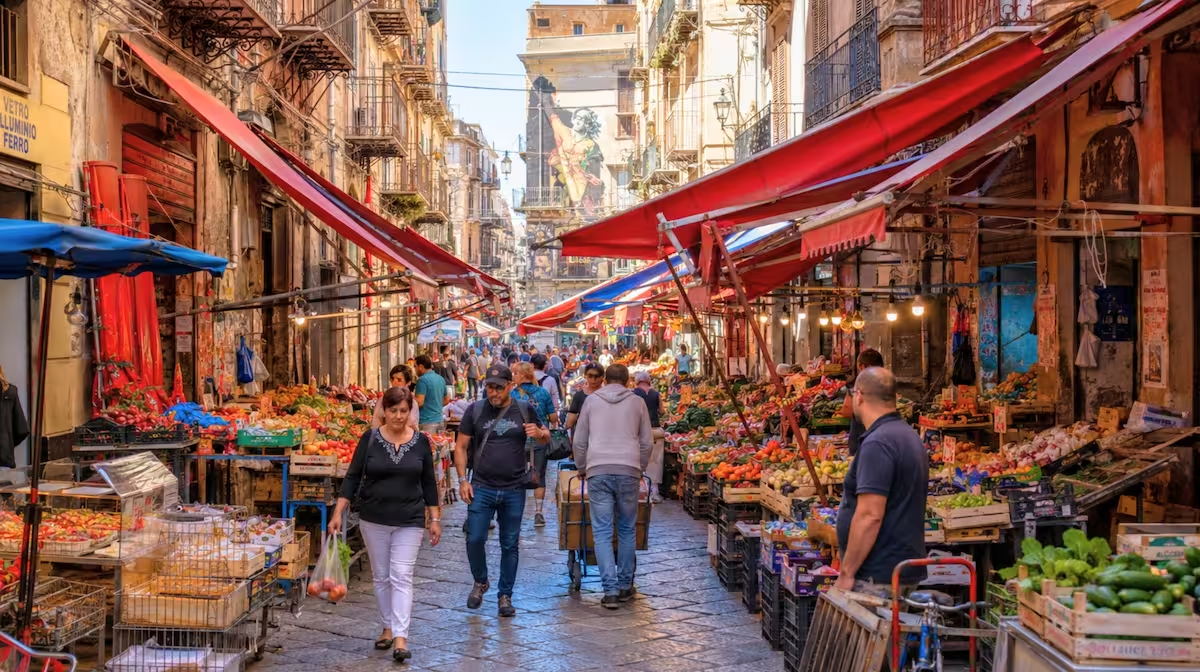
Palermo’s ancient markets are not pretty in the way that tourist markets are pretty. They are loud, dense, chaotic, and entirely genuine — vendors shouting their prices in that particular Sicilian sing-song, fish laid on ice under harsh lights, butchers working in full view of the street, pyramids of blood oranges and fennel and artichokes arranged with a casual confidence that suggests nobody considered the aesthetic.
The Capo Market — which features on this tour’s route — is one of the city’s oldest, running through a covered alley near the Cathedral. Its vaulted stone ceiling traps the sound and the smell in equal measure. In the morning, before the heat builds, it is one of the most alive places in the Mediterranean.
Ballarò, in the Albergheria quarter, is older still and arguably more raw — a genuine working-class market that has been feeding the same neighbourhood for over a thousand years. The Arab-Norman influence is visible in the architecture around it and audible in the dialect of the vendors.
What a guide gives you in these places is not just navigation — it’s permission. The markets can feel overwhelming to someone arriving without context, and the vendors are not running a tourist experience. A local guide who knows the stalls, knows the vendors, and knows how to order unlocks a version of these places that an independent visitor simply can’t access in three hours.
What you’ll eat on the tour
This is Palermo, so come hungry. The tour is a proper eating experience, not a gentle tasting menu.
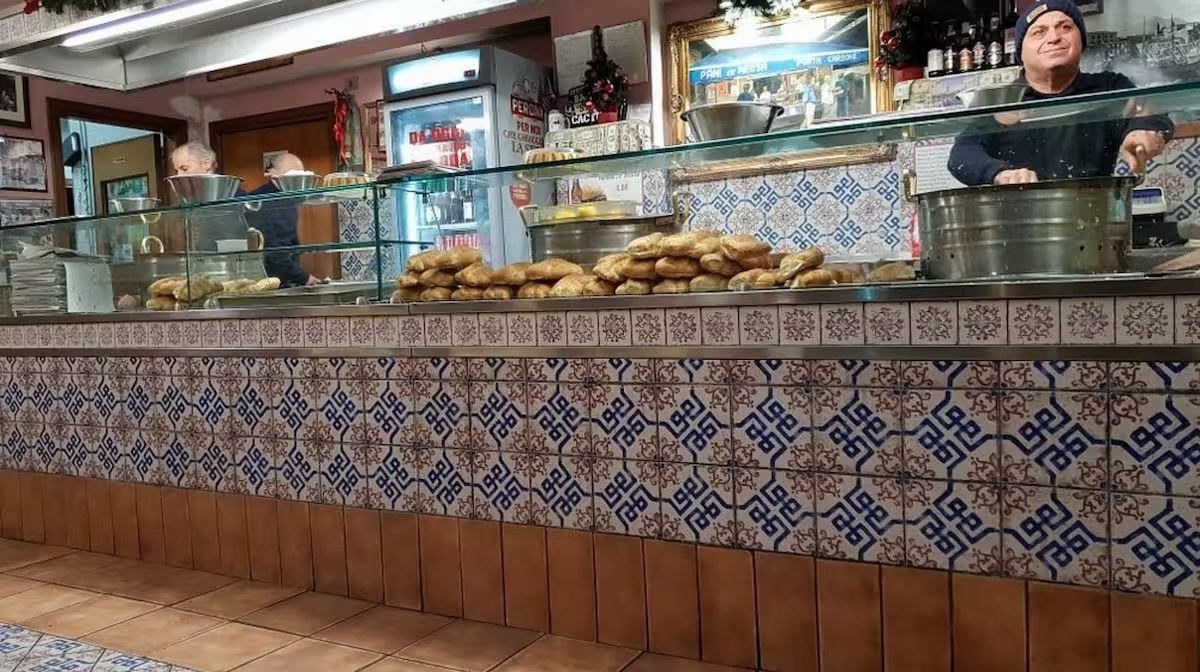
Panelle — chickpea fritters, fried fresh, served in a soft roll called a mafalda with a squeeze of lemon. This is Palermo’s foundational street food. Simple, ancient, and in the right stall, genuinely extraordinary. As someone from Malta eating panelle for the first time, the recognition is immediate — this is the same tradition as the pastizzi, just fried rather than baked.
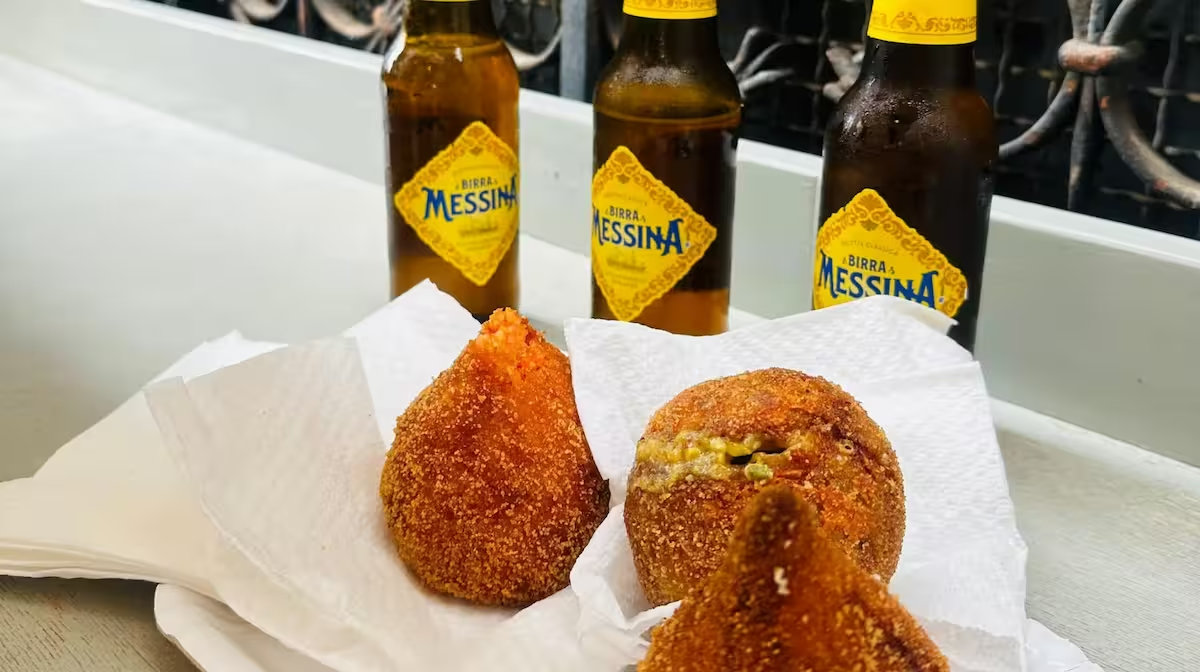
Arancina — the Sicilian rice ball, distinguished from mainland arancini by its round shape (in Palermo) and its filling. Ragù, butter and ham, or spinach. Fried to order, heavy enough to be a meal on their own.
Sfincione — Sicilian pizza, and nothing like Neapolitan. Thick, spongy base, sweet tomato, caramelised onion, anchovy, oregano, and breadcrumbs on top. The texture is closer to focaccia than to anything you’d call pizza in Naples. It is better than it sounds.
Crocchè — fried potato croquettes seasoned with mint and black pepper. The mint is the tell — North African pantry, not Italian. Eaten straight from the fryer.
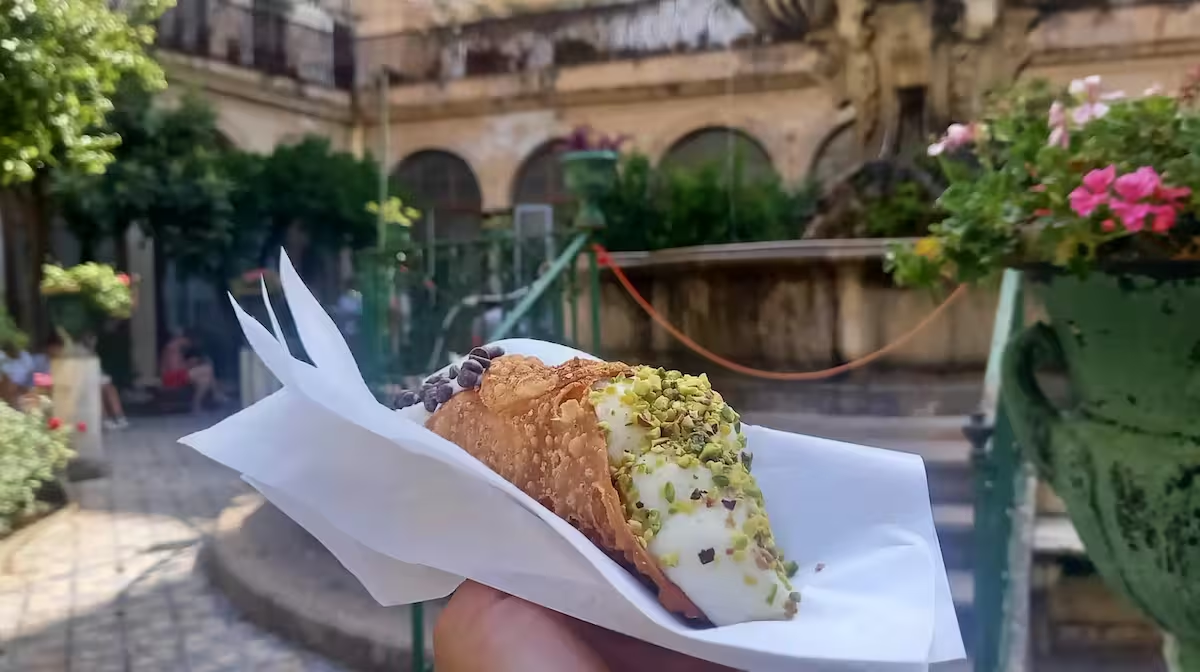
Cannolo — saved for last, as it should be. The real Sicilian cannolo is filled to order, the shell still crisp, the ricotta fresh and sweetened with sugar and sometimes candied citrus peel. The version you’ve eaten elsewhere is a distant cousin. Here it is the thing itself.
Seasonal desserts round out the tour — in winter that might mean iris (a fried brioche filled with ricotta), in summer a granita with brioche that will recalibrate your understanding of breakfast entirely.
The route — landmarks and food combined
The tour isn’t purely about eating — it’s also a walking introduction to Palermo’s historic centre, and the two are woven together in a way that makes sense of both.
The meeting point is near Teatro Massimo — the largest opera house in Italy, its neoclassical facade emerging from the surrounding buildings with a grandeur that still surprises first-time visitors. The route moves through Via Maqueda, Palermo’s great central axis, to the Quattro Canti — the Baroque crossroads where the city’s four historic quarters meet — and past Piazza Pretoria with its theatrical sixteenth-century fountain.
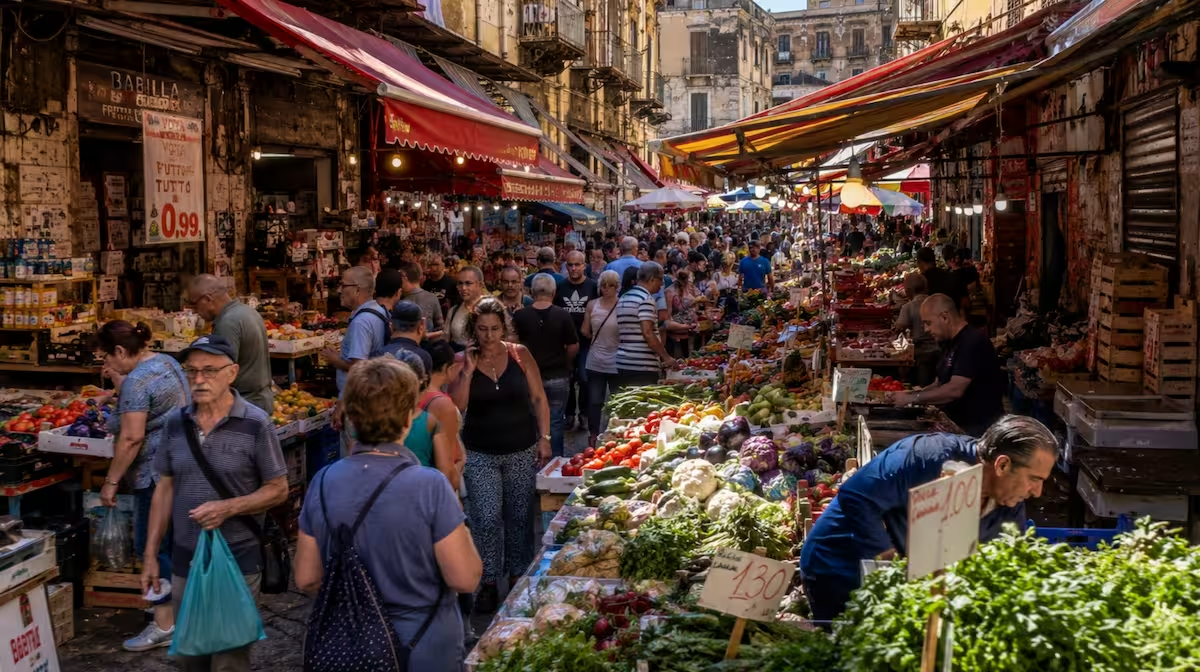
From there it enters the Capo Market and the neighbourhood streets around the Cathedral — a building that is itself a lesson in Palermo’s layered history, having been built successively as a mosque, a cathedral, and substantially rebuilt in the eighteenth century, the architectural layers still visible in the structure.
The guide connects all of this — the food, the buildings, the history — in a way that makes the three hours feel like a coherent introduction to the city rather than a series of disconnected stops. Reviewers consistently highlight this: the guides on this tour explain not just what you’re eating but why it exists, where it comes from, and what it says about the city that produces it.
Honest notes — what to know before you book
Come with an empty stomach. This is not a light tasting tour. The food volume is serious and the stops are frequent. Eating a full breakfast before a Palermo street food tour is a mistake you’ll regret around the third panelle.
Morning is the right slot. The markets are at their most alive in the morning — vendors setting up, produce at its freshest, the day’s energy not yet exhausted by the midday heat. Afternoon tours are possible but the atmosphere in the markets is different.
The pacing can feel brisk. Some reviewers mention the market sections move quickly — there’s a lot to cover in three hours and the guide keeps the group moving. If you’re someone who likes to linger, let the guide know at the start. Most will accommodate where they can.
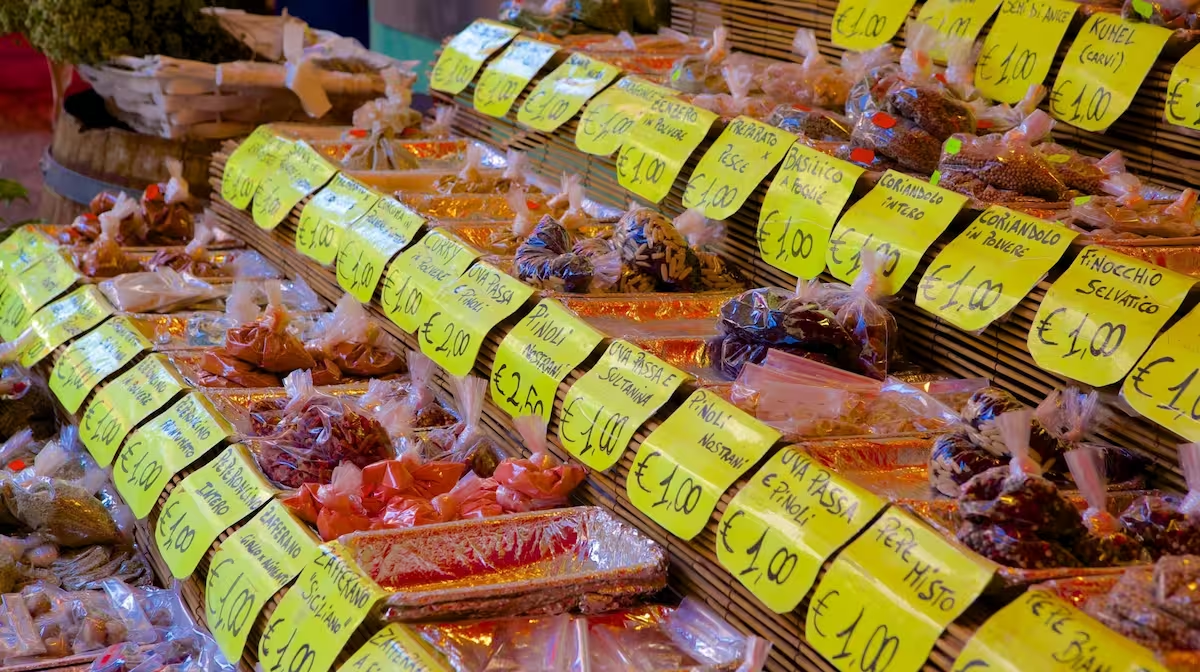
Bring cash. The tour itself is booked and paid for, but if you want to buy anything at the market stalls — a bag of almonds, a jar of preserved something, a bottle of local wine — cash is what works. Don’t rely on card terminals in the Capo Market.
Dietary requirements. The tour operator notes that vegetarian and other dietary needs can be accommodated — inform them at booking. The street food tradition is heavily meat and offal-forward in places, so if that’s an issue, flagging it early gives the guide time to prepare alternatives.
The pani ca meusa question. You may encounter this on the tour or nearby: a bread roll filled with boiled spleen and lung, dressed with lemon or caciocavallo cheese. It is the most divisive item in Palermo’s street food repertoire. It is also one of the most authentic. The guide will tell you everything you need to know before you decide whether to try it. My honest view: try it.
Palermo Street Food Tour — Market & City Centre
A three-hour guided walk through Palermo’s historic centre and markets, tasting the city’s street food alongside a local guide who knows the vendors, the history, and the hidden stalls. Panelle, arancina, sfincione, crocchè, cannolo, and seasonal specialities — with a drink included. Meeting point at Chiosco Vicari in Piazza Giuseppe Verdi. Book the morning slot. Come hungry.
Come Hungry: The food volume is serious. A full breakfast before this tour is a mistake. Come with an empty stomach and room to eat properly.
Book the Morning Slot: Markets are at their most alive before midday. Produce is freshest, vendors are at full energy, and the light in the covered market alleys is extraordinary.
Bring Cash: The tour is pre-paid, but if you want to buy anything at the market stalls — and you will — cash is what works. Card terminals are not a given in the Capo Market.
Disclosure: The link above is an affiliate link. If you book through it I earn a small commission at no extra cost to you. I have not personally taken this specific tour — this post is based on knowledge of Palermo’s food culture from multiple visits and thorough research into this operator.
Palermo Street Food Tour FAQ
Is the Palermo street food tour worth it?
Yes — particularly for first-time visitors to Palermo who want to understand the city through its food rather than just its monuments. Palermo’s street food culture is genuinely one of the most distinctive in the Mediterranean, and a local guide unlocks the markets in a way that three hours of independent wandering won’t. The combination of eating, history, and architecture in a single morning is very good value.
What food do you eat on the Palermo street food tour?
The core tastings are panelle (chickpea fritters), arancina (fried rice balls), sfincione (Sicilian thick-based pizza), crocchè (potato croquettes with mint), and cannolo. A drink is included. Seasonal specialities vary — in winter you might encounter iris or other pastry-based items; in summer, granita.
Is the Palermo street food tour suitable for vegetarians?
The operator accepts dietary requirements at the time of booking. Inform them of vegetarian or other dietary needs when you book — the guide can prepare alternatives. Palermo’s street food tradition is heavily meat and offal-forward in places, so flagging this early makes a significant difference to your experience.
Where does the Palermo street food tour start?
At Chiosco Vicari in Piazza Giuseppe Verdi, near the Teatro Massimo — Palermo’s famous opera house and the largest in Italy. It is a central, easily accessible meeting point.
How much food is included in the tour?
Enough to constitute a meal. The tour is not a light tasting experience — it is a proper eating tour with multiple stops and substantial quantities at each. Come hungry and don’t plan a restaurant lunch immediately after.
Is Palermo’s street food similar to Maltese food?
More than most people realise. Both food cultures share the same Arab-Norman Mediterranean heritage — panelle and Maltese pastizzi come from the same chickpea-based tradition, the use of fresh herbs, citrus, and capers appears in both, and the relationship with offal is strikingly similar. If you’ve eaten in Malta, Palermo’s street food will feel familiar in a way that Rome or Milan simply doesn’t.
What should I wear on the Palermo street food tour?
Comfortable walking shoes — the historic centre is paved in uneven stone and the market alleys can be slippery. Breathable clothing in summer — the covered markets retain heat. Nothing that can’t handle a splash of frying oil.