
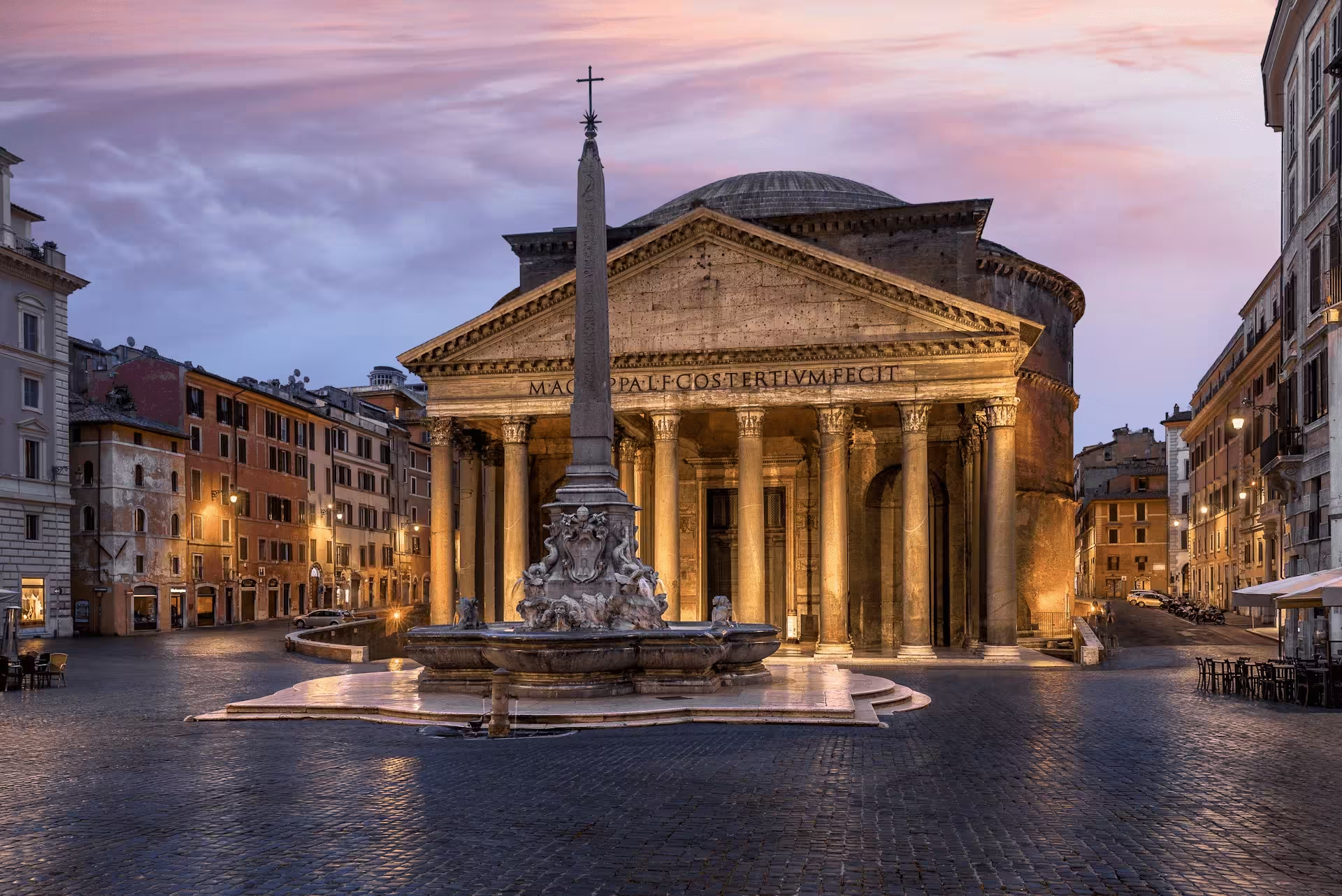
The Pantheon is the best-preserved monument of Ancient Rome, a 2,000-year-old architectural marvel that has survived fires, barbarian invasions, and more. However, securing Pantheon Rome tickets in 2026 isn’t as simple as just walking through the bronze doors. Since the introduction of entry fees, pre-planning is essential to avoid the heat and the 2-hour standby lines.
If you are planning a larger trip, make sure to check out my ultimate 2-day Rome itinerary to see how to fit the Pantheon in alongside the city’s other heavy hitters.
📂 Pantheon 2026 Visitor Guide: Table of Contents ▼
🏛️ Pantheon: Essential 2026 Data
- ⏰ Opening Hours: Daily 9:00 AM – 7:00 PM (Last entry 6:30 PM). Closed Jan 1 and Dec 25.
- 👗 Dress Code: It is an active church (Basilica of St. Mary and the Martyrs). Shoulders and knees MUST be covered. No exceptions.
- 🎟️ The “Entry Gap”: Official €5 tickets often sell out weeks in advance on the government portal. If the site is down or sold out, a pre-booked digital ticket is your only way to secure a time slot. 👉 Book Basic Entry + Audio Guide
- 🎓 The Expert Edge: To truly understand the engineering of the Oculus and the hidden tombs of Italian Kings, a guided 45-minute tour is the gold standard for “no-wait” entry. 👉 Book Fast-Track Guided Tour
- 📸 Best Photo Op: Aim for 12:00 PM. The sun aligns perfectly through the Oculus, creating a dramatic “God ray” inside the temple.
📜 History of the Pantheon in Rome: From Ancient Temple to Modern Landmark
The Pantheon in Rome is one of the best-preserved monuments of Ancient Rome and a must-visit attraction for anyone exploring the Eternal City. With a history spanning nearly 2,000 years, the Pantheon stands as a powerful symbol of Roman engineering, religion, and architectural brilliance.
Origins of the Pantheon: Built by Agrippa
The story of the Pantheon Rome begins in 27 BC, when Marcus Agrippa, a trusted general and son-in-law of Emperor Augustus, commissioned the original temple. This first structure was dedicated to the Roman gods, reflecting the polytheistic beliefs of ancient Rome. However, it was destroyed by fire, along with much of the surrounding area.
Reconstruction Under Emperor Hadrian
The Pantheon we see today was rebuilt between 118 and 125 AD under Emperor Hadrian. Instead of claiming credit, Hadrian chose to honor the original builder by keeping Agrippa’s inscription on the front of the building:
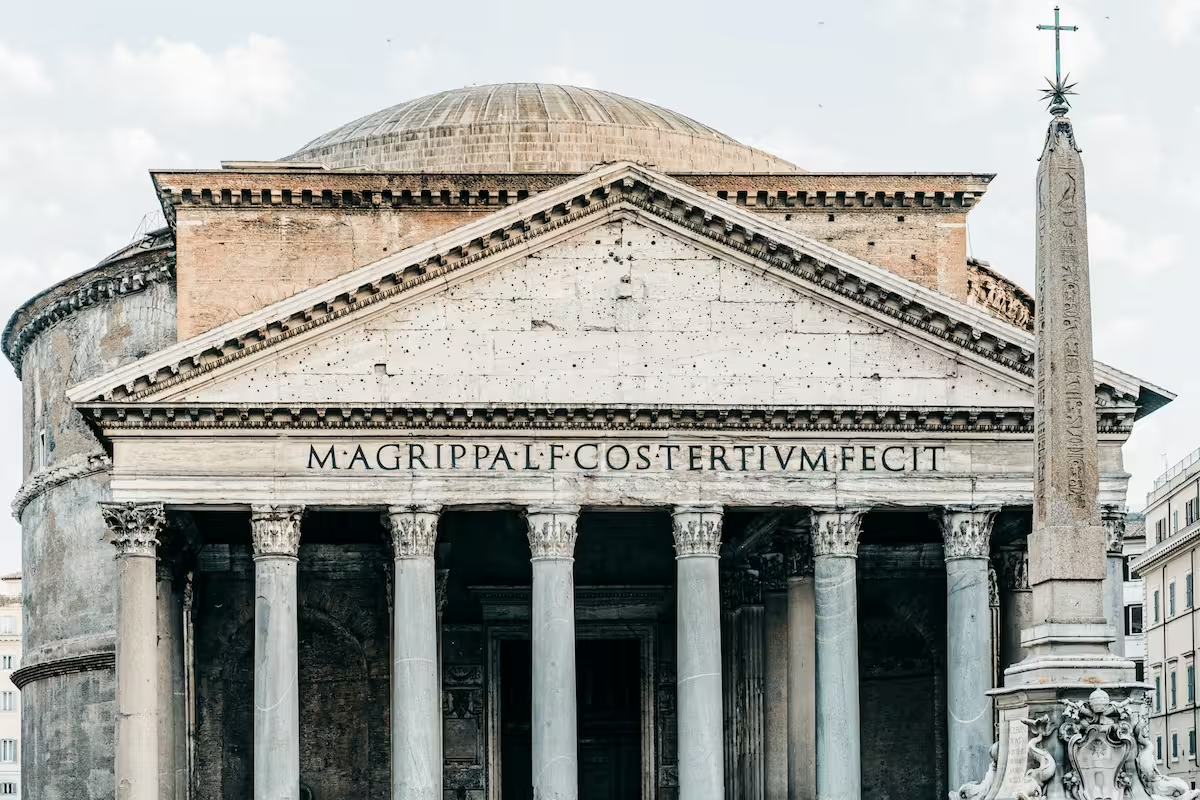
“M·AGRIPPA·L·F·COS·TERTIVM·FECIT”
(“Marcus Agrippa, son of Lucius, built this during his third consulship”)
This decision has contributed to centuries of confusion about the Pantheon’s true origins.
Why Was the Pantheon Built?
The Pantheon Rome temple was dedicated to all the gods of ancient Rome—its name comes from the Greek words pan (all) and theos (gods). Unlike traditional Roman temples, which were mainly designed for viewing from the outside, the Pantheon was built as an interior space for worship and ceremonies.
Engineering Marvel: The Dome and Oculus
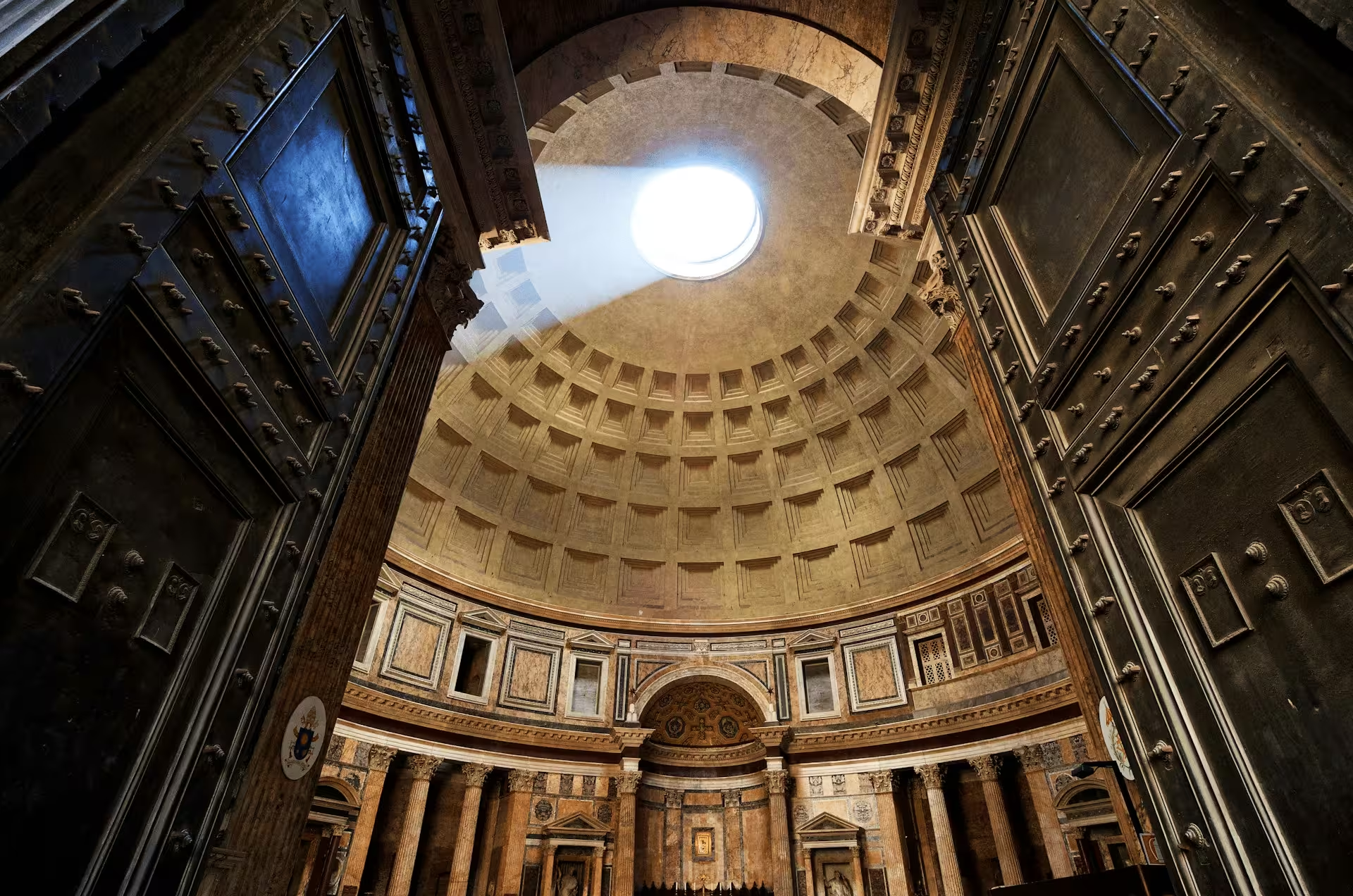
One of the main reasons the Pantheon in Rome attracts millions of visitors each year is its incredible architecture. The building features the largest unreinforced concrete dome in the world, a feat that still amazes engineers today.
At the center of the dome is the famous oculus, a circular opening that allows sunlight to stream into the interior, creating a moving beam of light throughout the day. The oculus also connects the temple symbolically to the heavens, reinforcing its religious significance.
Conversion into a Church: Key to Its Preservation
In 609 AD, the Pantheon was converted into a Christian church known as the Basilica of St. Mary and the Martyrs. This transformation played a crucial role in preserving the structure, as many other ancient Roman buildings were abandoned, looted, or destroyed over time.
Because it remained in continuous use, the Pantheon Rome survived almost entirely intact—making it one of the most important historical sites in Italy.
The Pantheon Today: A Living Piece of History
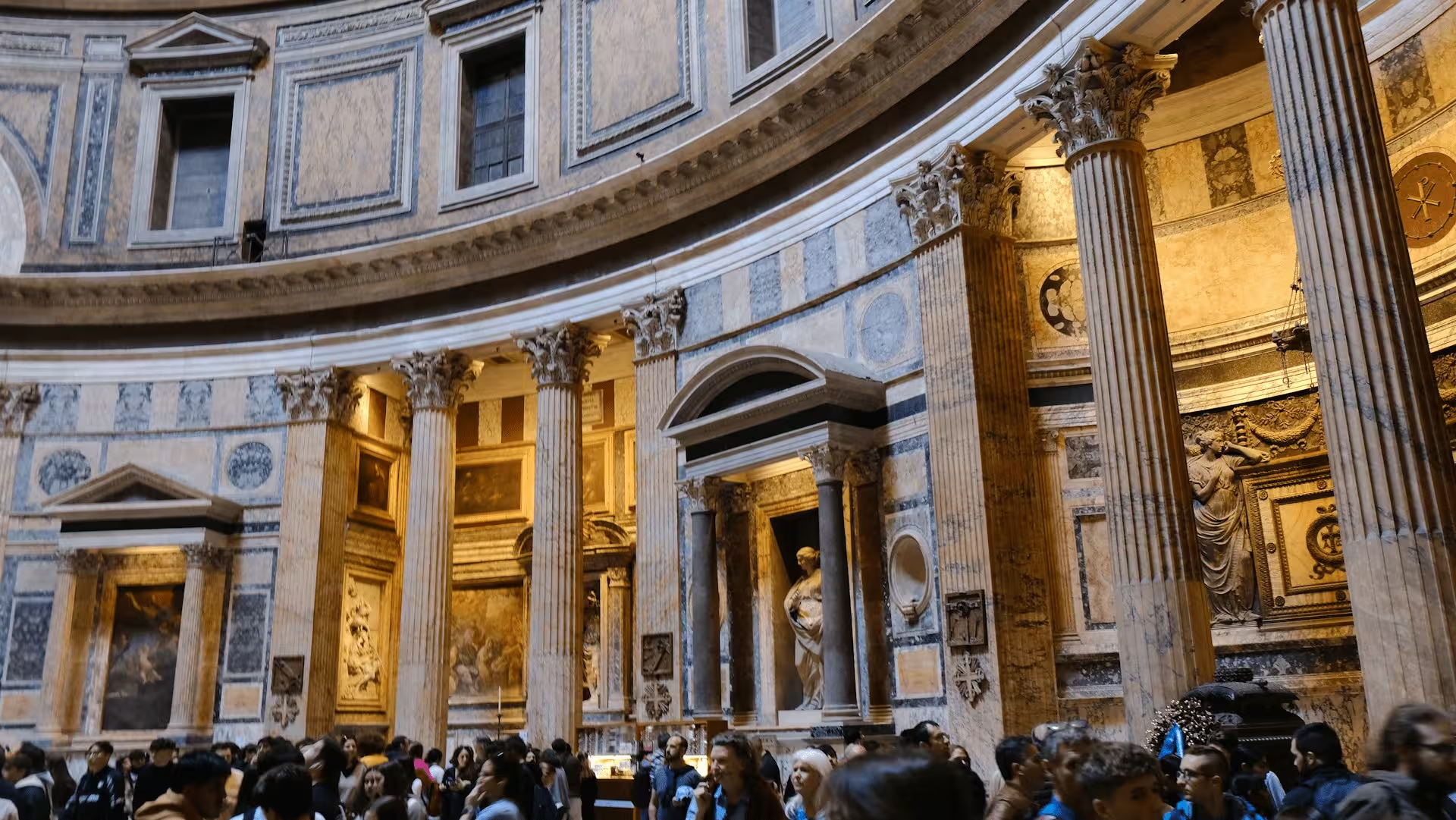
Today, the Pantheon is not only a major tourist attraction in Rome but also an active church and cultural landmark. It houses the tombs of important figures, including the Renaissance artist Raphael and Italy’s first king, Victor Emmanuel II.
For travelers visiting Rome, the Pantheon offers a unique opportunity to step inside an ancient Roman building that has been in continuous use for nearly two millennia.
✨ Pantheon: 5 Facts to Impress Your Travel Partners
- ☔ The Oculus is Open: The 9-meter hole in the roof has no glass. When it rains in Rome, it rains inside the Pantheon! The floor is slightly slanted with 22 hidden drainage holes to whisk the water away.
- 🧱 The Mystery Concrete: This is the world’s largest unreinforced concrete dome. Romans used lighter volcanic rock (pumice) as they built higher to prevent the 2,000-year-old structure from collapsing.
- 🎨 Raphael’s Eternal Home: The Renaissance master Raphael is buried here. His tomb bears a famous inscription stating that while he lived, Mother Nature feared he would outshine her.
- 🏗️ The Bronze Robbery: In the 1600s, Pope Urban VIII stripped the bronze from the Pantheon’s ceiling to create the massive canopy (Baldacchino) inside St. Peter’s Basilica.
- ☀️ A Giant Sundial: On April 21 (Rome’s birthday), the midday sun aligns perfectly with the metal grille above the door, flooding the entrance with a “theatrical” light fit for an Emperor.
🎫 How to Visit the Pantheon in 2026
Entry to the Pantheon now requires a paid ticket. There are three ways to get in:
1. The Official Portal (Budget Option)
You can attempt to book through the Musei Italiani website.
- Pros: Cheapest price (€5).
- Cons: The site frequently crashes, requires a complex registration, and time slots for weekends disappear almost instantly.
2. Fast-Track Digital Ticket (Recommended)
This is the most popular option for travelers. It includes a digital audio guide and allows you to skip the manual ticket-buying queue.
Note: Even with a pre-booked ticket, you must join the “Ticket Holders” line, which moves significantly faster than the “Purchase” line.
3. Professional Guided Tour (The Best Experience)
If you want to bypass the logistical headache and actually understand what you’re looking at, a guided tour is essential. These groups usually have a dedicated entry window and provide headsets so you can hear the guide over the echoes of the crowd.
🗺️ Expert Trip Planning: The Rome “Big Three”
The Pantheon is centrally located, making it easy to visit alongside Rome’s other icons. Don’t leave your other bookings to chance:
- 🏟️ The Colosseum: Tickets in 2026 are harder than ever to snag. Read my guide on Colosseum Time Slots & Best Booking Options.
- 🇻🇦 The Vatican: To see the Sistine Chapel without a 3-hour wait, check out my breakdown of Vatican Museum Tickets & Entry Tips.
- 🚶 The Full Route: See how to hit all of these in 48 hours with my Perfect 2-Day Rome Itinerary.
❓ Frequently Asked Questions
Q: Can I visit during Mass? A: Tourists are generally not allowed to wander during religious services (usually Saturday evenings and Sunday mornings). Check the local schedule before arriving.
Q: Is there a “Skip the Line” ticket? A: No ticket completely bypasses the security check. However, “Skip the Line” generally refers to skipping the ticket purchase line, which can save you over an hour of waiting.
Q: How much time do I need inside? A: 30 to 45 minutes is usually sufficient to see the entire interior and the tombs.