 Skip to content
You’ve got a few hours in port and you’re hungry. The question isn’t where to eat Barcelona cruise port — it’s how to eat “well” without getting trapped in a tourist markup or spending your whole port day at a table. Barcelona’s food scene is one of the best in Europe, and the trick is knowing what to eat, where, and how fast.
Most cruise guides tell you where to go. This one tells you what actually tastes good, what’s worth your time, what to skip entirely, and how to eat like a local even when the clock is ticking.
What you’re actually eating: Catalan food basics
Catalan cuisine isn’t Spanish cuisine — it’s its own thing, shaped by the Mediterranean, local agriculture, and centuries of doing things a specific way. Understanding what you’re eating makes the experience actually *mean* something instead of just being a nice meal.
The foundations
Olive oil: Everything starts here. Catalan cooking uses more olive oil than you might expect, and the quality matters. The first taste you notice in a good tapa often comes from the oil.
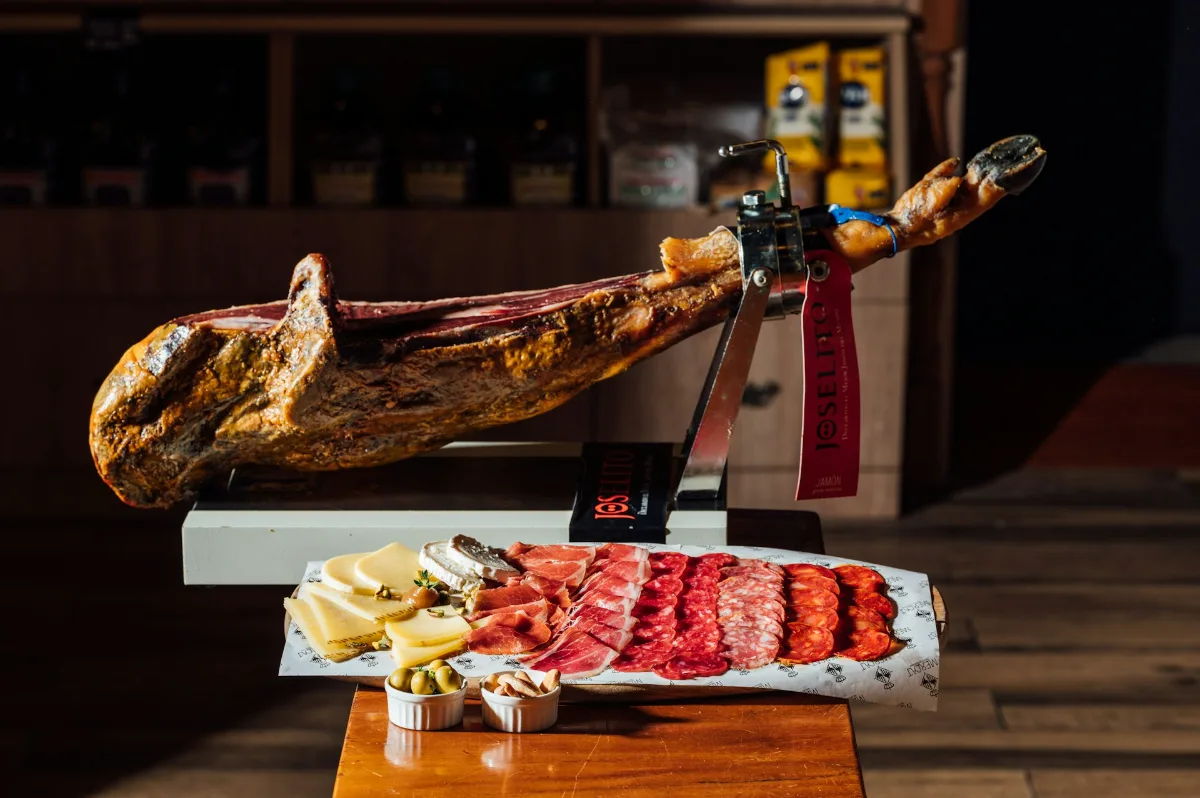
Jamón Ibérico: This is cured ham from black Iberian pigs, aged anywhere from 18 months to several years. It’s salty, complex, slightly sweet, and nothing like the ham you know. A few slices with bread and butter is a complete meal.
Seafood: Barcelona is on the coast. Anchovies (boquerones), mussels (mejillones), octopus (pulpo), and fish are fresh year-round. Paella originated in Valencia (the region next door) but Barcelona does seafood paella exceptionally well.
Pa amb tomàquet: Bread rubbed with tomato and olive oil. It sounds simple because it is. It’s the perfect base for jamón, cheese, or seafood. You’ll eat it constantly.
Patatas bravas: Fried potatoes with a spicy aioli and sometimes a romesco sauce. It’s a bar staple and genuinely satisfying.
Vermouth: A fortified wine served from the tap at most bars, often with a splash of soda. It’s an aperitif, a social thing, and tastes nothing like the vermouth you might know from cocktails. Sweet or dry, ice and a green olive, EUR 2.
Tapas: how to order, what to try
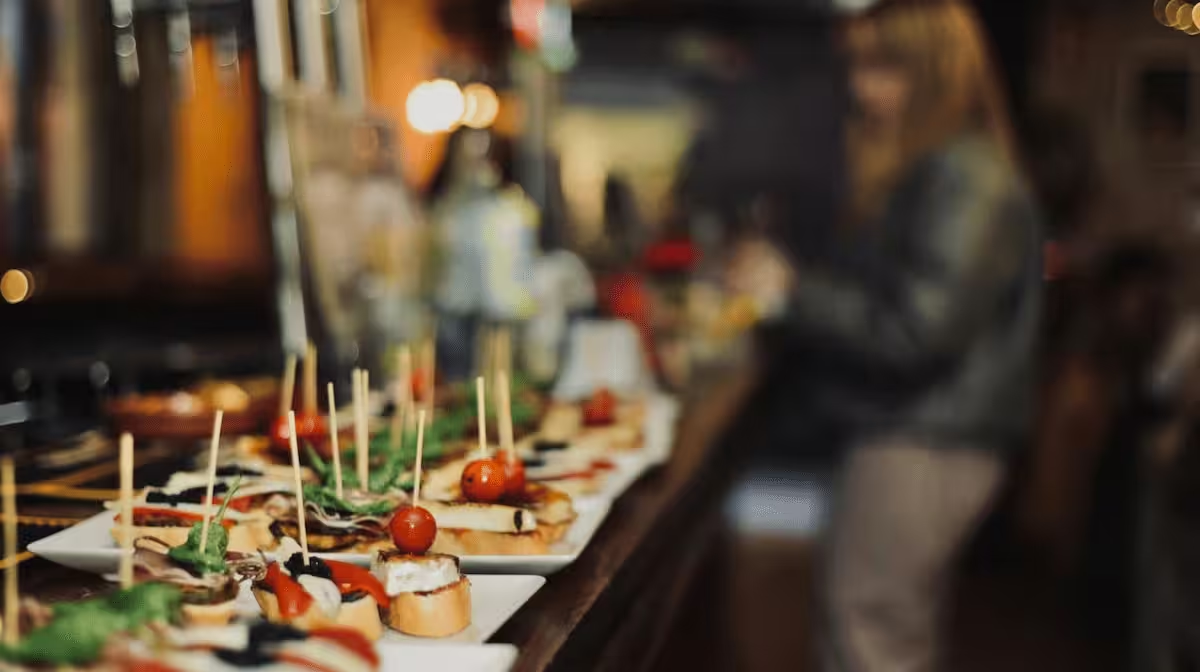
Tapas are small plates, meant for sharing and grazing. The Barcelona way is to go to a bar, order a few plates, stand at the counter, and move on. This is how locals eat on weekdays. It’s fast, efficient, costs EUR 3–8 per plate, and you actually experience the bar culture instead of sitting at a table.
How to order
Walk into a bar that looks busy with locals (not tourists). Point at what you want in the display case or ask the bartender. “Eso, eso, y eso” (that one, that one, and that one). They’ll plate it. You’ll eat. You’ll pay. Done. It’s normal to try three bars in an hour.
What to actually order
Pair everything with vermouth, a glass of wine, or a beer. This is how Barcelona eats at lunch.
The food tour option (if you want structure)
Here’s my honest assessment from doing this myself: if you have limited port time and you care about experiencing Catalan food *well* without wasting time on wrong turns, a guided food tour is worth the investment. Not because you can’t eat tapas alone, but because a local guide handles the navigation, explains what you’re eating, and takes you to places that are actually good — not just places that look good to tourists.
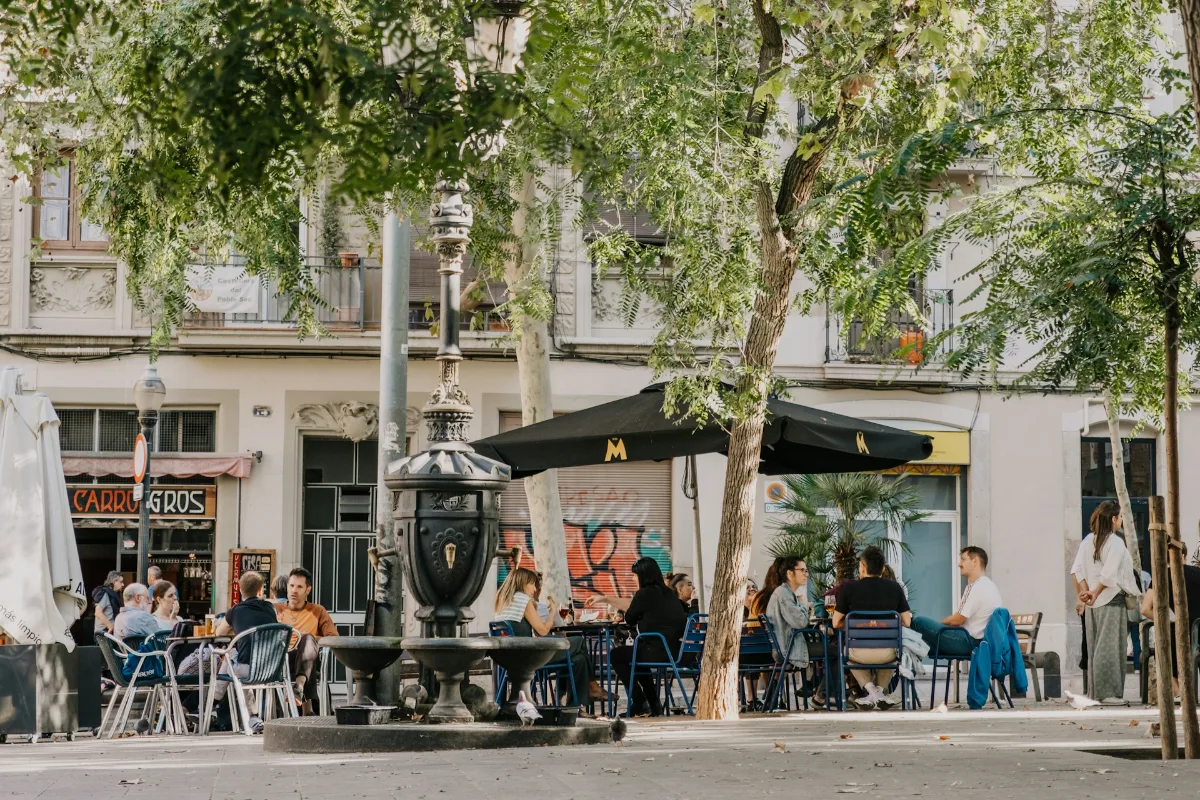
I did the 11:00 AM departure from a Barcelona food tour company during a cruise visit, and the timing was genuinely perfect. We started in the Gothic Quarter right as the city was waking up for lunch. Our guide took us through El Born district — narrow medieval streets, family-run taverns, the kind of places you’d walk past without knowing they were there. The bartenders were pouring sweet vermouth from the tap, pairing it with warm patatas bravas, local cheeses, and paper-thin jamón Ibérico. By the final stop (seafood paella by the beach in Barceloneta), it was actual lunchtime — no rushing, no awkward timing. The whole thing wrapped by 1:30–2:00 PM, leaving plenty of time to get back to the ship. It felt efficient but never stressed.
The value isn’t just the food. It’s that a local is telling you the stories — which bars have been family-run for generations, why vermouth is served from the tap here and not elsewhere, what jamón Ibérico actually is beyond “expensive ham.” You’re learning while you eat.
See Viator authentic tapas food tours →If you prefer to wander on your own, that works too. But know what you’re trading: you’ll find good food, but you might miss the history and context that make it land.
Self-guided eating near the port
You can absolutely do this alone. The basics: walk into a busy bar, point at things, eat standing up, pay EUR 3–8 per plate, move to the next bar. The Gothic Quarter (near the Cathedral) and El Born (a few blocks inland) have the highest concentration of good, non-touristy bars. La Boqueria market is slightly touristy now but still a real market — grab fruit, jamón, or a quick juice.
Closest to the port: Walk up Las Ramblas (you can’t miss it), hang a right into the Gothic Quarter, walk 5–10 minutes into the narrow lanes. That’s where the actual bars are.
Time budget: 90 minutes (arrival to eating to being back at the port) is realistic for self-guided. More if you linger.
Language barrier: Non-existent at tapas bars. Point, smile, eat. Most bartenders understand basic English. Worst case, you try something you didn’t expect and discover something new.
What to skip (tourist traps)
Timing tips for port days
More Barcelona port day guides
FAQ
- Is it safe to eat at street-level tapas bars?
- Yes. These are where locals eat. Busy bars with high turnover mean fresh food. The higher risk is actually at sit-down tourist restaurants, which sit and wait. If a bar is packed with locals at lunch, it’s a good sign.
- What if I don’t like seafood?
- Order jamón, croquetas, patatas bravas, queso de cabra — you’ll be fine. Plenty of Catalan food has nothing to do with the sea. But try the boquerones (marinated anchovies) at least once — they’re not fishy.
- Can I do a food tour with a short port window?
- The 11:00 AM tour departure is built for cruise visitors. It wraps by 1:30–2:00 PM, leaving time to get back. If your all-aboard is earlier (say 2:00 PM), you might be cutting it close. Do the self-guided bar crawl instead.
- How much should I expect to spend on food?
- Self-guided tapas bars: EUR 3–8 per plate. A full eating experience (4–5 plates, drinks, maybe a market snack): EUR 25–35 total. A food tour: EUR 50–85 depending on which company and what’s included.
- What’s the difference between jamón Ibérico and jamón Serrano?
- Jamón Serrano is cured ham from white pigs, aged 12–18 months. Jamón Ibérico is from black Iberian pigs, aged longer, and tastes richer and more complex. Ibérico is more expensive and worth it if you’re trying it for the first time.
- Is vermouth really wine?
- It’s fortified wine (about 16% alcohol) with herbs and spices. It’s served ice-cold as an aperitif before eating, not as a cocktail mixer. A vermouth in Barcelona tastes nothing like vermouth in a martini.