 Skip to content
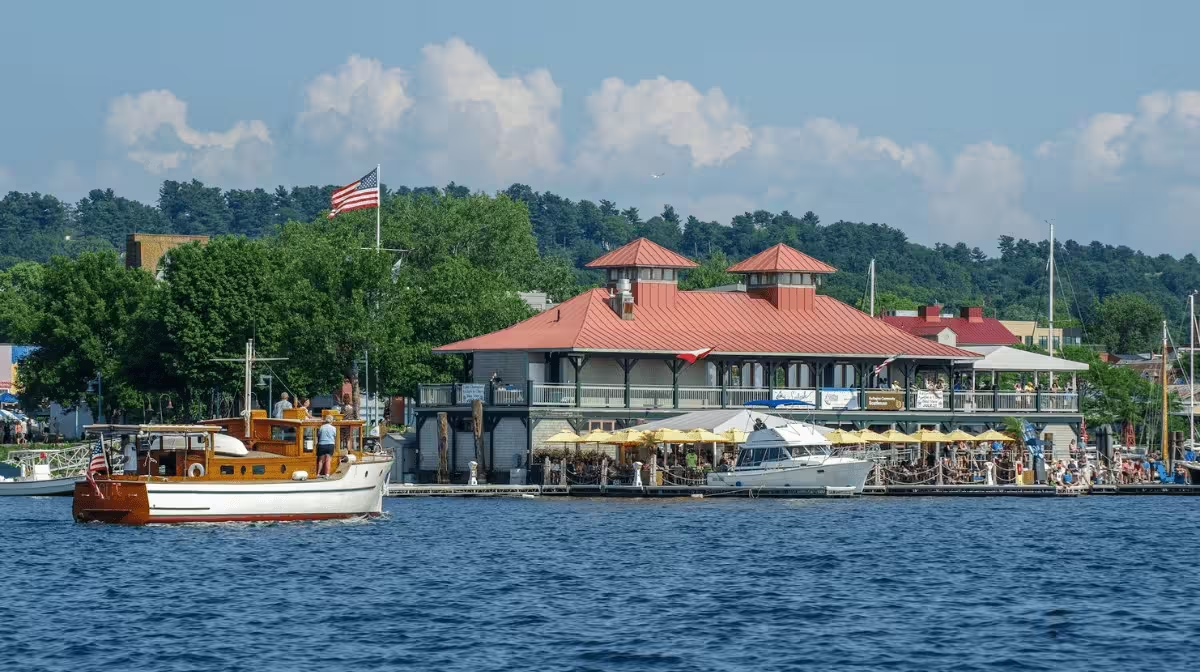
Burlington Vermont, feels like a city that knows itself. Waterfront culture, farm-to-table restaurants, craft breweries, and neighborhoods with genuine character. We spent a day exploring—here’s what you actually need to know about visiting Burlington.
Burlington at a Glance
Best Time to Visit
June–October
Summer warm; fall foliage peak; winter quieter
How Long to Stay
1–2 days
Day trip possible; overnight ideal for food
Main Draw
Waterfront & food
Lake Champlain, farm-to-table, breweries
Best For
City explorers & foodies
Walkable downtown, restaurants, waterfront culture
Burlington Experience & Vibe
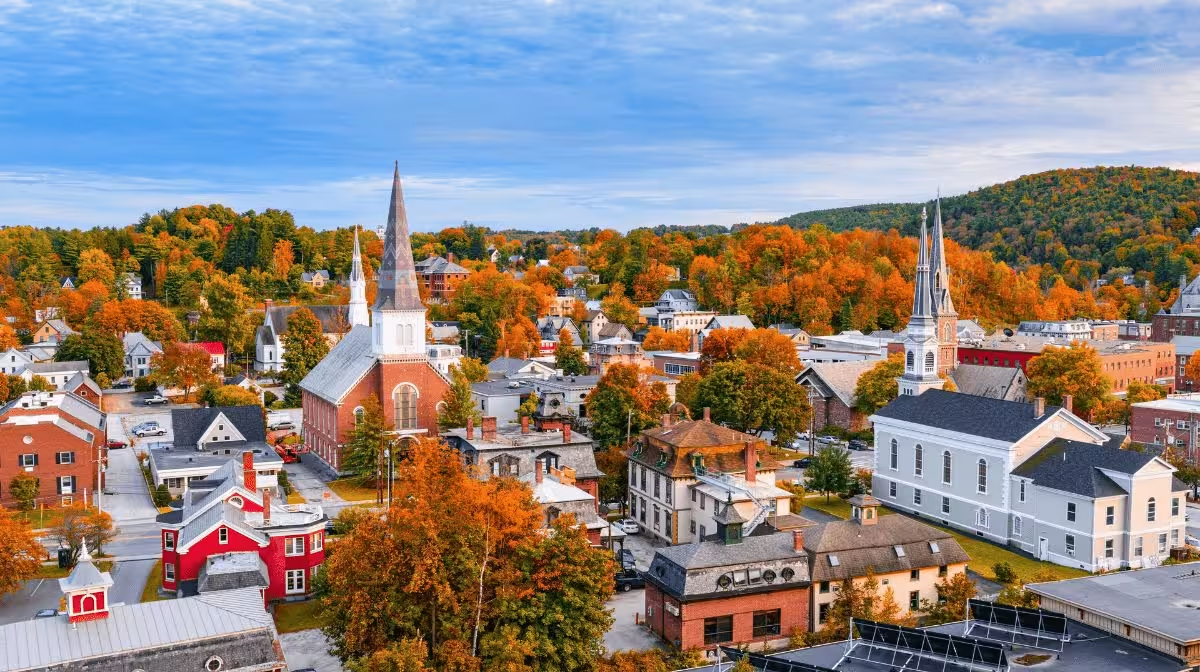
Burlington is Vermont’s largest city, but it doesn’t feel like it. Population ~45,000, walkable downtown, genuine local energy, and a waterfront that anchors everything. It’s the opposite of Stowe’s mountain-resort feel—this is a real city with a vibrant downtown, college campus (University of Vermont), and a food scene that punches well above its weight.
The waterfront is the soul of Burlington. Lake Champlain stretches north; the Waterfront Park runs for miles with walking paths, beaches, and restaurants. Main Street (Church Street area) is a pedestrian mall filled with local shops, cafes, and restaurants. The neighborhoods radiating out—Old North End, South End Arts District, Hill Section—each have distinct character.
What makes Burlington different from Stowe: it’s not a destination you come to do one specific activity. You come to walk, eat, explore neighborhoods, sit on the waterfront, and absorb a city that feels like it actually has a local population, not just tourists.
Neighborhoods & Walking Routes
Church Street Marketplace (Downtown Core)
Church Street is Burlington’s heart. A pedestrian-only mall stretching several blocks, lined with shops, restaurants, cafes, and street life. It’s touristy, but it’s also where locals actually eat, shop, and hang out—so it doesn’t feel artificial.
What’s here: Independent boutiques, coffee shops, bookstores, restaurants from casual to upscale, street performers in summer, a palpable energy that feels like a real downtown.
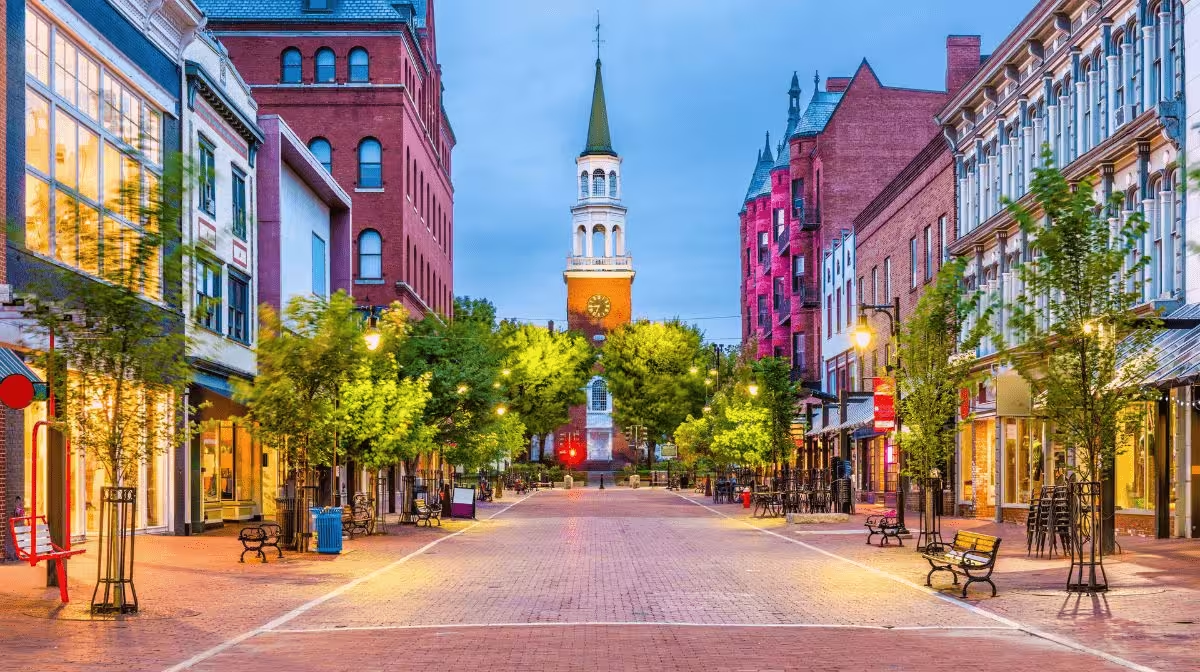
Best time to walk: Early morning (fewer crowds), weekday afternoons, or evening (dinner crowd). Summer weekends are packed.
Waterfront & Lake Champlain
Burlington Waterfront Park stretches along Lake Champlain and is genuinely beautiful. A paved path runs for miles. There are parks with lake views, small beaches, restaurants overlooking the water, and a pier where you can sit and watch the horizon.
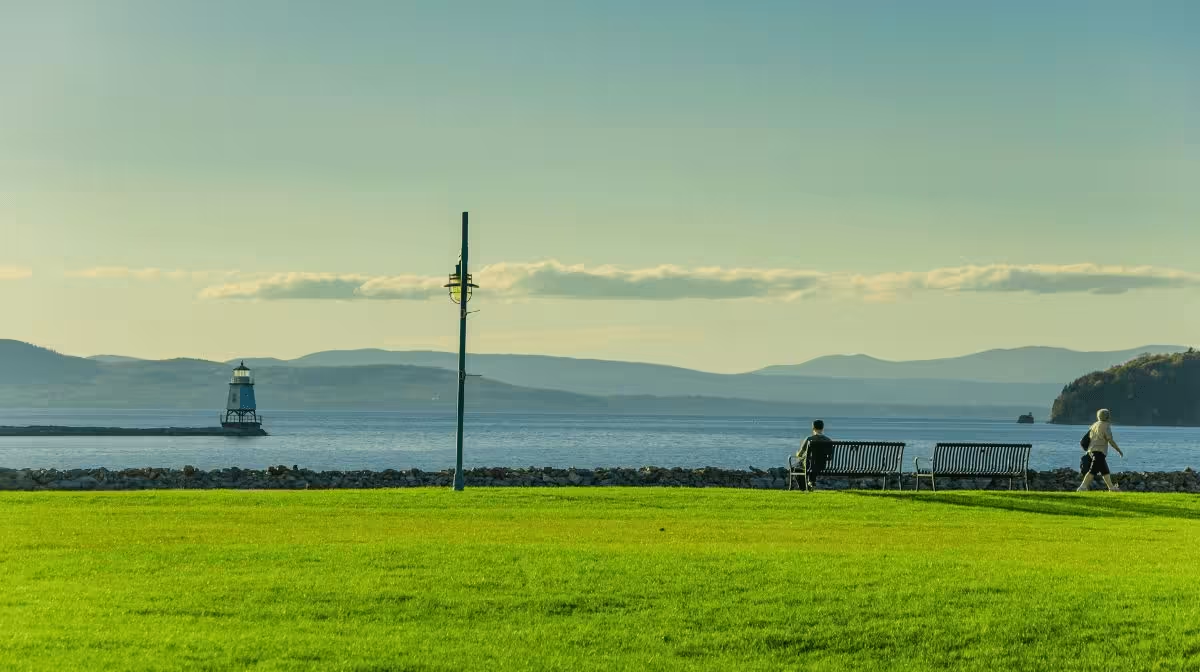
What to do: Walk the path, rent a kayak, sit on a bench and watch the water, eat at waterfront restaurants, photograph the Adirondacks in the distance.
Old North End (Neighborhood Exploration)
The Old North End is where locals actually live and eat. Smaller streets, local restaurants, vintage shops, antique stores, and a neighborhood vibe that feels disconnected from Church Street’s bustle. Good for wandering, finding local cafes, and seeing Burlington beyond the tourist loop.
Why go: Authentic neighborhood feel, less crowded, better local restaurants, bookstores and galleries.
South End Arts District
South End is Burlington’s arts hub. Galleries, studios, craft breweries, restaurants, and a creative energy. Smaller and more focused than Old North End, good if you’re interested in local art and contemporary food scenes.
Recommended Walking Routes
Classic Downtown Loop (2 hours): Start Church Street, walk to Waterfront Park, follow path north along lake, loop back through neighborhoods to Church Street. Covers the core tourist sites but with waterfront flow.
Neighborhood Deep Dive (3 hours): Old North End for breakfast, explore side streets, visit bookstores/galleries, lunch at neighborhood cafe, wander south to arts district, back to downtown for dinner.
Food & Dining Scene
This is why people actually come to Burlington. The food scene is exceptional for a city this size.
Farm-to-Table Restaurants
Farmhouse Tap & Grill: Vermont’s most famous farm-to-table. Seasonal menu, grass-fed beef, local produce, proper cocktails. Can be hard to get reservations. Worth trying, but expect hype (and pricing). $40–60 entrees.
Buxton: Smaller, easier to book than Farmhouse. Excellent food, seasonal focus, good cocktails. More neighborhood feel. $30–45 entrees.
Penny Cluse Cafe: Breakfast/lunch spot famous for brunch. Lines out the door weekends. Get there early. Casual, delicious, $12–18.
Craft Breweries & Beer Culture
Switchback Brewing: Burlington’s local brewery. Good beer, brewery tour available, casual atmosphere. No food (can bring in outside), but local crowd. Free to enter, beer $5–7 per pint.
Rock Art Brewery: Further from downtown but excellent beer. Taproom with outdoor patio. Good spot if you’re serious about craft beer.
Zero Gravity Craft Brewery: Larger taproom, food available, more tourist-friendly than Switchback. Good beer, good hangout space.
Casual Restaurants & Local Favorites
Leunig’s Bistro: French-inspired, Church Street location. Popular for lunch and dinner, easier to book than Farmhouse. $25–40 entrees.
Hugo’s Burger Cafe: Local chain, casual, solid burgers. Quick, friendly, $12–16.
Three Penny Taproom: Gastropub feel, good food, craft beer selection. Lively atmosphere, local crowd.
Coffee & Breakfast
Cosmic Grind: Best coffee in Burlington. Small, local, good pastries. Worth the hunt.
Shy Guy Cafe: Small neighborhood cafe, genuine local spot, excellent coffee and pastries.
Attractions & Activities
Lake Champlain Activities
Kayaking & Water Sports: Rent kayaks near the waterfront and paddle out. Calm water in summer, scenic, meditative. $30–50 per kayak for 2–3 hours.
Scenic Cruises: Lake Champlain cruises operate in summer. Sunset cruises are popular. $25–40 per person.
Swimming: Several small beaches along the waterfront. Water is cold even in summer (50s), but doable.
🎫 Activities & Tours in Burlington
Waterfront Park Exploration
Burlington Waterfront Park is free and worth hours. Walk the entire path, explore the parks, sit on benches, watch the lake. In summer, there are free concerts and events in the parks.
University of Vermont Campus
The UVM campus overlooks Lake Champlain and has beautiful architecture and grounds. Walking the campus gives you a sense of Burlington as a college town. Free to explore.
Art & Culture
Flynn Center for Performing Arts: Concerts, theater, performances. Check the schedule for what’s on during your visit.
Galleries & Studios: South End Arts District has galleries and studios. First Friday (first Friday of each month) has gallery walks with artists present.
Vermont History Museum
Decent if you want to understand Vermont history. Worth 1–2 hours. Cost ~$10–12. Not essential, but solid if it rains.
Where to Stay
💡 Quick Accommodation Search
Use Stay22 to compare prices across all major hotel booking sites and find the best Burlington accommodations in one search.
Browse Burlington Hotels & RentalsWaterfront Hotels (Splurge)
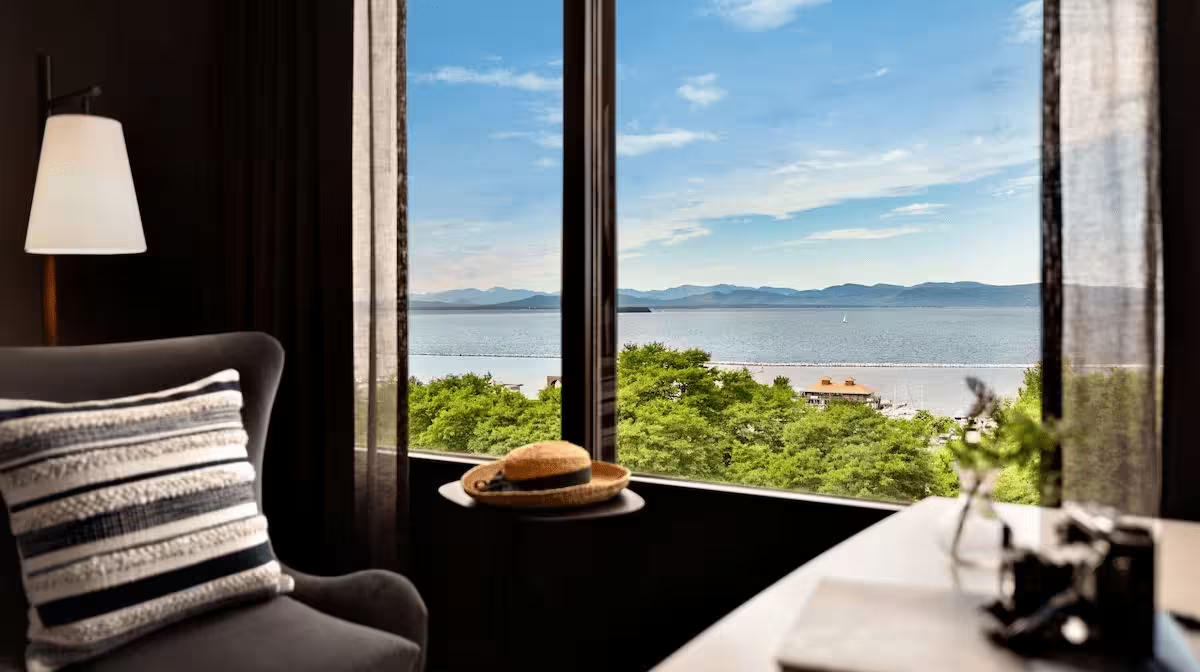
Hotel Champlain, Curio Collection by Hilton: Burlington’s luxury waterfront property. Lake views, full amenities, good restaurant. $200–350+ per night. Worth it if you want waterfront convenience and upscale experience.
Renaissance Burlington Hotel: Downtown location (not waterfront), but walkable to everything. Modern, good service, $150–250+ per night.
Downtown Hotels & Inns
Burlington Hilton: Downtown, walkable, comfortable, good value. $100–180.
Willard Street Inn: Historic B&B with character. Smaller, intimate, walkable downtown location. $120–180.
Budget Options
HI Burlington Hostel: Cheap and clean. Good if you’re budget-conscious or solo traveling. $30–60 per bed.
Econo Lodge: Basic, reliable, $80–120. Not fancy, but clean and nearby.
Vacation Rentals & Airbnb
Plenty of Airbnb/VRBO options. Look for downtown (Church Street area) or waterfront for walkability. Price $120–200+ per night.
Where to Stay Based on Your Focus
For waterfront access: Hotel Champlain or waterfront vacation rentals. Walk to lake immediately.
For restaurant exploration: Downtown (Church Street area). Walk to restaurants easily.
For neighborhoods: Vacation rental in Old North End or South End. More local feel, less touristy.
For budget: Hostel or Econo Lodge. Save money on lodging, spend on food.
Planning Your Visit
Best Time to Visit
June–August: Warmest, busiest. Summer festivals, full restaurants, tourists everywhere. Good but crowded.
September–October: Fall foliage starts (especially late September). Excellent weather, fewer crowds, restaurants easier to book. My recommendation.
May, November: Shoulder season. Quieter, cheaper lodging. Some restaurants still opening/closing post-winter.
How Long to Stay
Day trip (6–8 hours): Church Street walk, waterfront path, one meal. Possible but rushed. Better as overnight.
Overnight (1–2 days): Explore downtown, waterfront, one good dinner, morning coffee and walk. Ideal length.
2–3 days: Add neighborhood exploration, brewery visits, second restaurant, lake activity (kayaking/cruise), less rushing.
Getting Around
Walkable: Downtown and waterfront are very walkable. You can park once and explore on foot for hours.
Car useful for: Neighborhood exploration beyond downtown, getting to breweries outside downtown, day trips to nearby areas.
Parking: Downtown parking is available (paid lots) but can fill in summer. Consider parking at your hotel and walking.
Distance & Drive Time
From Stowe: ~30 minutes south. Easily doable as same-trip pairing (e.g., hike Stowe, explore Burlington).
From Boston: ~4.5 hours north. Long day trip possible, better as overnight.
Money-Saving Tips
Free activities: Waterfront walk, UVM campus, Church Street people-watching, many galleries.
Brewery visits: Often free entry, just buy a beer ($5–7 per pint).
Budget dining: Breakfast/lunch spots cheaper than dinner (Penny Cluse, Hugo’s). Save fancy dining for one meal.
Shoulder season: September and May have lower lodging and restaurant prices, fewer crowds.
Insider Tips & What We Learned
Book farm-to-table in advance. Farmhouse, Buxton, and upscale spots book out weeks ahead in summer. Call ahead or book online immediately.
Church Street early morning is best. We walked Church Street at 7am and had it quiet. By 10am, packed with tourists. If you want to experience the actual downtown, go early.
The waterfront is genuinely beautiful. We expected a nice path. It’s actually a stunning walk with lake views, parks, and a real restorative vibe. Worth multiple hours.
Old North End is worth exploring. Tourist guides focus on Church Street. Old North End has local restaurants, bookstores, and genuine neighborhood character. Less crowded, better feel.
Switchback Brewery is casual but small. Go early afternoon if possible, or expect crowds. No food there—plan accordingly.
Burlington vs Stowe decision: Stowe if you want mountain hiking and alpine scenery. Burlington if you want urban food culture and lake exploration. They’re 30 min apart—do both if you have time.
What we’d do differently: We’d stay two nights instead of one to have more time for brewery visits and neighborhood exploration without rushing meals.
Burlington & Stowe: Two Sides of Vermont
The question often comes up: Stowe or Burlington? Or both?
Choose Stowe if: You want mountain hiking, alpine scenery, a quintessential New England resort town, outdoor activity as the main draw.
Choose Burlington if: You want food culture, waterfront exploration, urban vibe, art/galleries, a real city (not just tourists), walkable downtown.
Do both if: You have 3+ days. Stowe for hiking (1–2 days), Burlington for food/culture (1–2 days). They’re 30 minutes apart, so easy pairing.
With family with teens: Both work. Teens enjoy hiking (Stowe) and exploring a real city (Burlington) more than purely resort activities. Consider doing both.
Burlington: Worth a Stop
Burlington is the Vermont city worth visiting. It’s not remote mountain escape—it’s a working city with food culture, waterfront beauty, and genuine character. Spend a day or two walking downtown, eating well, exploring the waterfront, and you’ll understand why locals choose to live here.
Related Vermont Content
- Vermont Travel Guide — Regional hub covering Stowe, Burlington, and seasonal experiences
- Stowe, Vermont Summer Guide — Mountain hiking, Mount Mansfield, alpine town exploration
- Best Boston Tours — Nearby city guide with Freedom Trail, Duck Tour, whale watching