 Skip to content
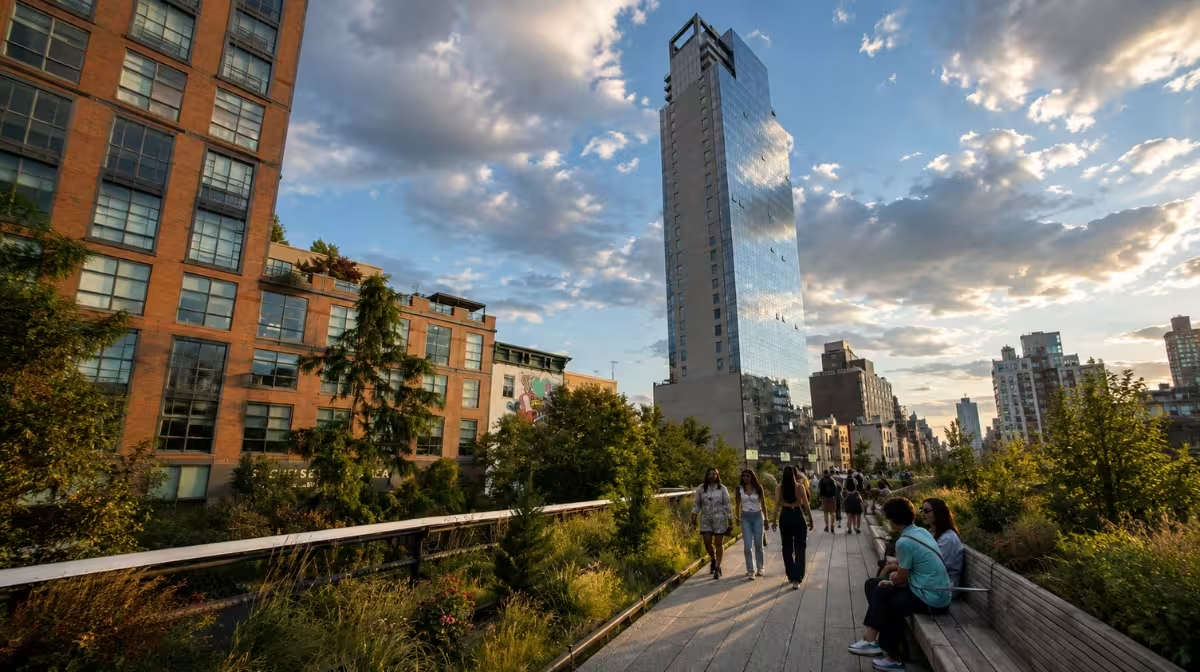
The High Line is one of New York City’s most unique urban parks—a 1.45-mile elevated green space built on a decommissioned railroad line that once carried freight trains above Manhattan’s streets. Walking the High Line transforms how you experience the city: instead of navigating crowded sidewalks, you drift above street level through gardens, past rotating public art installations, and alongside glass and steel architecture that frames the park at every turn. It’s free, accessible, and unlike anywhere else in New York.
This guide covers what makes the High Line special, what you’ll see in each section, and practical tips for making the most of your visit—including insights from walking the park’s full southern stretch from West 31st Street to Chelsea Market.
▼ Table of Contents
The High Line Overview
The High Line stretches 1.45 miles from Gansevoort Street (near the Meatpacking District and Pier 57) north to 34th Street at Hudson Yards. The park is divided into three sections, each with distinct character and landscaping. The entire walk is elevated above street level, accessible via stairs and ramps at multiple entry points, and designed to feel like a garden suspended above the city.
The park is free, completely weather-exposed (there are no covered sections), and can be walked in either direction depending on your starting point and the attractions you want to see. Most visitors start at the southern end near Gansevoort Street and walk north toward Chelsea Market and Hudson Yards, though you can enter anywhere.
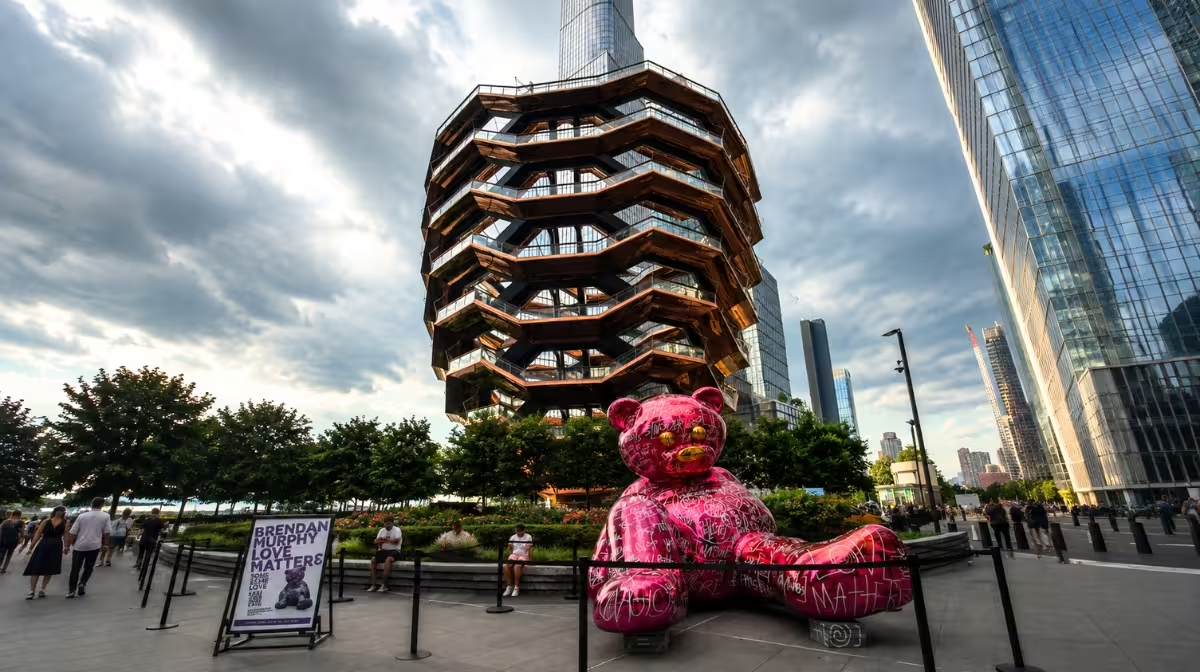
From Industrial Rail to Urban Park: The Story Behind the High Line
For decades, the High Line sat abandoned—a rusted, overgrown remnant of New York’s industrial past. By the 1990s, the structure was crumbling, and the surrounding neighborhoods had declined. A community group called Friends of the High Line fought for preservation, and in 2009, the first section opened to the public as a linear park.
What followed was remarkable. The park didn’t just preserve the original railroad structure—it completely reimagined what an urban park could be. Instead of manicured lawns, the High Line features native plantings, wildflower meadows, and ornamental grasses that create the effect of a carefully curated wild landscape. Every element, from the choice of plants to the placement of benches and water features, was thoughtfully designed.
Walking the High Line, the attention to horticultural detail is immediately striking. The plants are rotated seasonally, water features create ambient sound, and the wooden boardwalk surfaces weather naturally, creating a living, breathing ecosystem rather than a static monument. This transformation has become a global model for urban renewal—showing what’s possible when a city invests in reclaiming overlooked infrastructure.
Walking the High Line: Section by Section
The High Line can be walked in sections or as a complete 1.45-mile route. Here’s what you’ll encounter in each area:
Section 1: Gansevoort to West 23rd Street (The Meatpacking District)
This southern section is the quietest and most botanical. You’ll walk through native plantings, perennials, and flowering shrubs arranged to feel discovered rather than designed. The landscape is lush and organic, with minimal crowds compared to the southern sections. You’re surrounded by neighborhood street views, but elevated above them—a unique perspective on the Meatpacking District, West Village, and Hudson River.
Best for: Photography, peaceful walks, observing seasonal flora. Duration: 20–30 minutes.
Section 2: West 23rd to 14th Street (The Art & Architecture Zone)
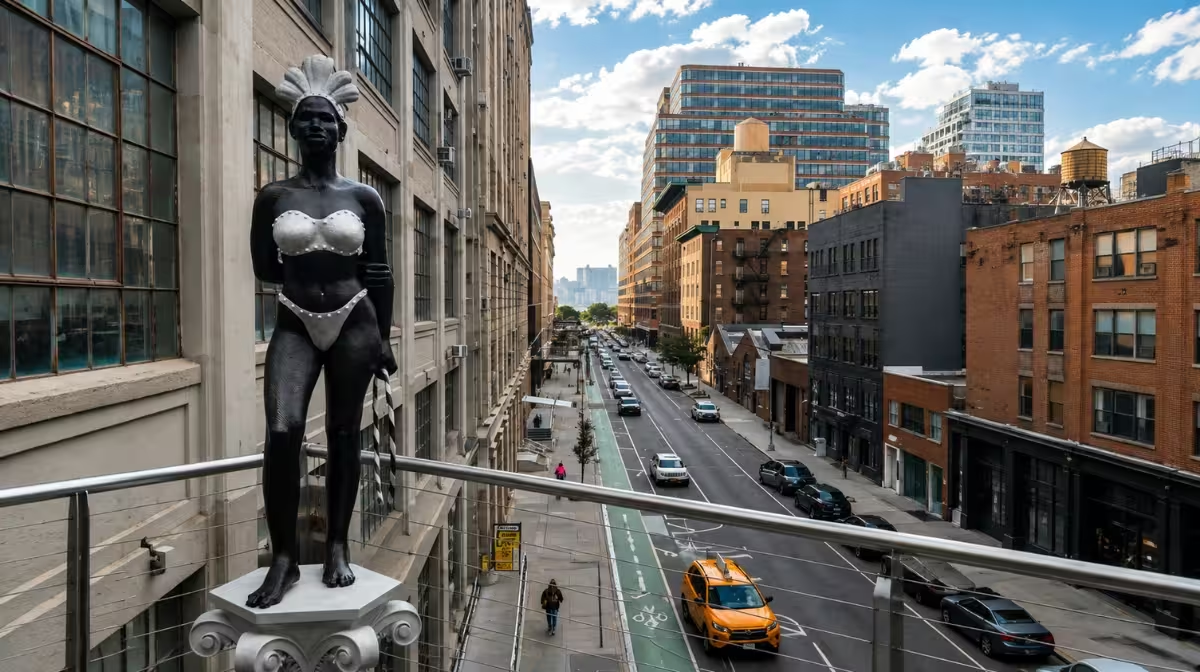
This middle section is where the High Line’s cultural mission comes alive. Public art installations rotate regularly—ranging from sculpture to immersive works. The context shifts here: you’re walking between cutting-edge office buildings, galleries, and converted industrial spaces. The contrast is striking and visually compelling. This section attracts more visitors and has more energy, but it remains a genuinely unique urban experience.
Key insight: I strongly recommend booking a guided tour to understand the art installations and neighborhood history. The High Line walking tours add layers of meaning to what you’re observing, explaining the architecture, the art, and how the neighborhood evolved.
Best for: Art appreciation, photography, architecture study. Duration: 20–30 minutes.
Section 3: 14th Street to 34th Street (Chelsea Market & Hudson Yards)
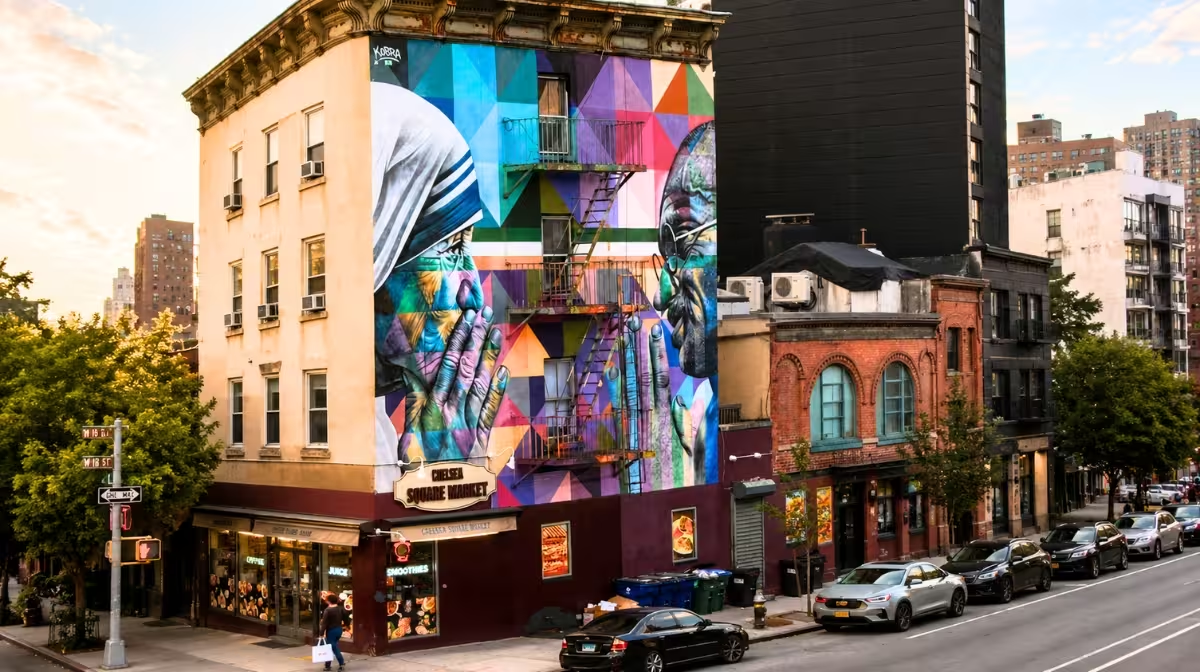
The final section is the most crowded and most dramatic. The park widens, the skyline views open up, and the energy builds toward Chelsea Market. This is where most tourists concentrate, and for good reason—the views are expansive and the destination (Chelsea Market) is a major draw. You’ll see high-rise apartments, contemporary architecture, and the iconic Vessel structure coming into view as you approach Hudson Yards.
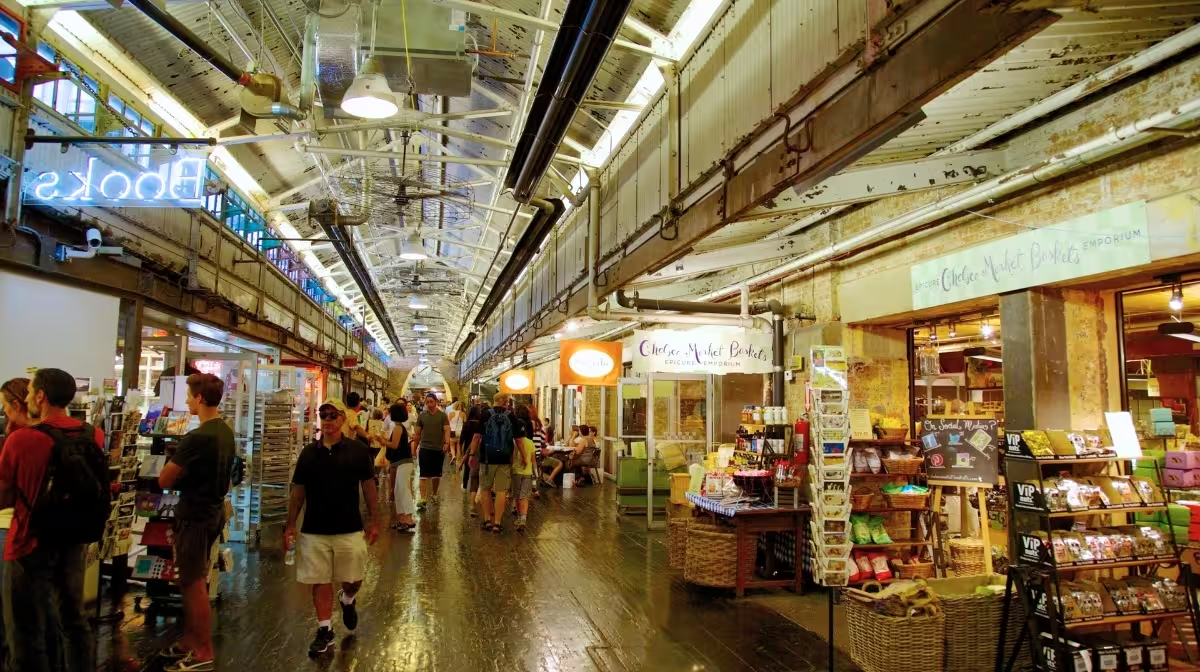
Dining note: Chelsea Market is a major food destination at the park’s end. However, if you plan to eat there, arrive before 5:30 PM—several restaurants begin closing by 6:30 PM, limiting dining options significantly.
Best for: Skyline views, photography, food-market access. Duration: 25–35 minutes.
Navigation & Timing
The full walk from Gansevoort Street to 34th Street takes 60–90 minutes at a leisurely pace. Most visitors spend 2–3 hours including stops for photos, sitting, and exploring side attractions. The park is accessible via stairs and ramps at multiple points, so you can also walk individual sections without committing to the full 1.45 miles.
Entry points: Gansevoort Street (south), 14th Street, 23rd Street, and 34th Street (north). The most common entrance is at 14th Street or Gansevoort Street.
Best time: Early morning (before 10 AM) or late afternoon (after 4 PM) for fewer crowds. Afternoon walks during golden hour offer the most striking light for photography.
Beyond the High Line: Hudson Yards & the Vessel
Walking the High Line’s northern section naturally leads you to Hudson Yards, one of Manhattan’s most striking recent developments. Two architectural focal points dominate this area and are worth exploring after your park walk:
The Vessel
The Vessel is a 150-foot copper structure designed by Thomas Heatherwick—an extraordinary feat of architecture that has become an icon of Hudson Yards. It’s a honeycomb of interlocking staircases and platforms with 2,500 steps and no two paths the same. Visually magnetic and constantly photographed, the Vessel commands attention as soon as you emerge from the High Line.
You can explore the Vessel independently (it’s publicly accessible) or book a guided experience for insight into its design and architecture. The structure is best photographed early in the morning when crowds are minimal.
Best for: Photography, architecture appreciation, exploring an iconic contemporary structure. Duration: 20–45 minutes.
Edge: Immersive Observation Deck
Hudson Yards’ signature attraction is Edge—an outdoor observation deck offering 360-degree views of New York City from 1,131 feet up. Unlike indoor observation decks, Edge is fully exposed to the elements (with glass railings), creating an immersive, thrilling experience. On clear days, you can see up to 80 miles in all directions.
Book your tickets to secure your time slot. It’s especially stunning during golden hour or at dusk when city lights come alive.
Best for: Aerial views, photography, experiencing the city from above. Duration: 1–2 hours including wait times.
Hudson Yards Plaza & Retail
The surrounding plaza is lined with high-end retail, restaurants, and contemporary architecture. It’s polished and contemporary—a stark contrast to the organic, earthy aesthetic of the High Line itself. Worth exploring if you have time, though it reads more as modern urban development than a cultural destination.
Where to Stay Near the High Line
The High Line runs through Chelsea and Hudson Yards, two neighborhoods with excellent accommodation options. Staying nearby means easy access to the park and the surrounding area’s restaurants, galleries, and nightlife.
Best neighborhoods for accommodation: Chelsea (closest to the park’s core), Meatpacking District (south entrance), Hudson Yards (north end), and the West Village (walkable to the southern sections). These areas range from luxury hotels to mid-range and budget-friendly options.
Use the interactive map below to explore hotels, apartments, and alternative accommodations near the High Line:
Visiting Information & Planning Tips
Hours & Admission
The High Line is open daily from dawn to dusk (specific hours vary seasonally). Admission is completely free. No paid entry, no advance reservations needed. Simply arrive at any entry point and walk.
Best Times to Visit
| Season | Weather | Crowds | Best for |
|---|---|---|---|
| Spring (April–May) | Mild, 55–70°F | Moderate | Blooming flowers, flowering perennials, pleasant walks |
| Summer (June–August) | Warm, 70–85°F | Very High | Golden sunsets, vibrant atmosphere, but crowded |
| Fall (September–October) | Mild, 55–70°F | Moderate | Cooler weather, grasses and late blooms, fewer crowds—ideal |
| Winter (November–February) | Cold, 30–45°F | Low | Bare branches reveal architecture, quiet experience, bracing walks |
What to Bring
- Comfortable walking shoes: The full walk involves significant distance on wooden boardwalks and uneven surfaces. Wear supportive, broken-in shoes.
- Weather protection: The park is completely exposed—bring sunscreen, a hat, and sunglasses for sunny days. Layer clothing as the elevated park can be windier than street level.
- Water and snacks: Limited food options on the park itself. Bring water, especially on warm days. Chelsea Market is at the southern end if you need substantial food.
- Camera or phone: The views are constantly photogenic. You’ll want to capture the light, architecture, and plantings.
- A light jacket: Even on warm days, the elevation and proximity to the Hudson River can create wind. A light layer is useful.
Tours Worth Considering
Self-guided walks are free and offer flexibility. However, guided walking tours provide valuable context:
- Historical context about the park’s transformation from industrial rail line to public space
- Interpretation of rotating public art installations
- Neighborhood stories and the gentrification narrative playing out above street level
- Architectural insights about the surrounding buildings and their designers
Getting There & Subway Access
To reach the southern entrance (Gansevoort Street): A, C, or E subway to 14th Street; walk west to Gansevoort Street.
To reach the 14th Street entry: L subway to 14th Street; walk to the High Line access point.
To reach Hudson Yards (northern end, 34th Street): 7 subway to 34th Street–Hudson Yards; walk to the High Line access point.
The park is within walking distance of Chelsea, the Meatpacking District, and the West Village, so you can easily pair your High Line visit with other NYC attractions.
Best Photo Spots on the High Line
The High Line is exceptionally photogenic. Here are the top spots for capturing memorable images:
Northern Botanical Section (Gansevoort to 14th Street)
Golden-hour light on flowering perennials and native grasses creates magical botanical photography. The softness of the plants against the urban backdrop is visually striking. Morning light is also excellent for capturing clean garden shots with minimal shadows.
Architectural Framing (23rd to 14th Street)
Photograph the surrounding high-rise buildings and contemporary architecture framed by the park’s plantings. The contrast between organic nature and glass/steel structures creates compelling compositions. Shoot from different angles along the park to capture the juxtaposition.
The Vessel & Hudson Yards Approach (Northern Section)
As you approach 34th Street, the copper Vessel comes into frame with High Line plantings in the foreground. The combination of the iconic structure, contemporary architecture, and the park’s greenery creates an instantly recognizable shot. Golden hour light transforms this into a stunning photograph.
Skyline Views (14th Street North)
The northern sections offer expansive skyline views, especially looking east and west. On clear days, these views are dramatic. Shoot during golden hour or dusk for the most striking light and colors.
Photography Tips
Shoot during golden hour: Early morning or late afternoon light transforms the park. The warm, angled light creates depth, texture, and color that midday harsh sunlight cannot replicate.
Arrive early for fewer crowds: Popular photo spots become crowded by mid-morning. Early arrival gives you cleaner compositions and time to explore unique angles.
Look beyond famous spots: While iconic vistas are worth capturing, walk slowly and notice smaller compositions—a detail of flowering plants backlit by sunset, architectural framing through trees, or unusual perspectives from different elevations.
Frequently Asked Questions
Explore More New York City
The High Line is one of NYC’s most unique attractions. These guides cover other must-see destinations and neighborhoods:
Central Park Guide — Explore the 843-acre urban park with its iconic fountains, lakes, museums, and countless photo spots.
New York City Travel Guide — Neighborhoods, attractions, restaurants, and practical information for planning your NYC trip.
2-Day New York Itinerary — A fast-paced route through Manhattan’s highlights and iconic neighborhoods.
Built in 1934 to carry freight trains above Manhattan’s streets, the High Line fell into disrepair for decades. By the 1990s, it was abandoned—a rusted skeleton overlooking Chelsea and Hudson Yards. In 2009, the first section opened to the public as a linear park, and what followed was a masterclass in urban renewal.
Walking its length, you see exactly why this project mattered. The park isn’t just landscaping; it’s a complete ecosystem thoughtfully designed from the ground up. Native plantings, water features, and seasonal flowers transform depending on when you visit. In my afternoon walk, the attention to horticultural detail was immediately striking—the curated wild aesthetic, the native grasses catching late light, the flowering perennials arranged as if discovered rather than designed.
It’s a model for what happens when a city invests in reclaiming overlooked spaces. The High Line didn’t just preserve the original structure; it reimagined what an urban park could be.
What You’ll Experience on the High Line
Section 1: West 31st to 23rd Street
Beginning your walk at West 31st Street, you’re immediately separated from street-level noise. The park slopes gently, with wooden benches overlooking the street below and the Hudson River beyond. This northern section is quieter than the southern portions—fewer tourists, more locals reading, sketching, or simply sitting.
The flora here changes seasonally, but the bones of the design are constant: native shrubs, perennials, and ornamental grasses create a botanical layer that feels unforced. The care is evident in every bed.
Section 2: 23rd to 14th Street (The Heart of the Park)
This middle stretch is where the High Line’s cultural mission comes alive. Public art installations rotate regularly, ranging from sculpture to immersive works. Even without a formal tour, you’ll encounter thought-provoking pieces that invite you to reconsider what you’re seeing.
The views here shift too. On your left and right, you’re flanked by the neighborhood’s evolution: cutting-edge architecture rises alongside converted warehouses and galleries. The contrast is stark and oddly beautiful—this is gentrification visible from above, and the High Line itself is both catalyst and symbol of that change.
I strongly recommend booking a guided walk if you want deeper context on the art and history. Viator’s High Line walking tours pair well with the self-guided experience and add layers of meaning to what you’re observing.
Section 3: 14th Street South to Chelsea Market
As you move toward Chelsea Market, the park grows busier. This southern section is where most tourists concentrate, and for good reason—the views open up, the crowds create energy, and the destination feeling of Chelsea Market pulls you forward.
My one key recommendation from this walk: arrive at Chelsea Market before 5:30 PM if you plan to eat. By the time I reached the market at 6:30 PM, several restaurants had already begun closing or were wrapping final orders. If you want the full food-market experience, plan your High Line walk to land you at Chelsea earlier in the afternoon, or visit the market independently in the morning.
Beyond the High Line: Hudson Yards
Walking south on the High Line naturally leads you to Hudson Yards, one of Manhattan’s most striking recent developments. Two architectural focal points dominate this area:
The Vessel
The Vessel—a 150-foot, honeycomb-like copper structure designed by Thomas Heatherwick—commands attention. Visually extraordinary and Instagram-magnetic, it’s become an icon of the neighborhood’s reinvention. You can explore it independently, or book a Vessel tour via Viator for guided insight into its architecture and design.
The surrounding plaza is lined with high-end retail, restaurants, and office spaces. It’s polished, contemporary, and a stark contrast to the organic, earthy aesthetic of the High Line itself.
Edge Immersive Observation Deck
Hudson Yards’ signature attraction is Edge—an immersive observation deck offering 360-degree views of the city from the Western Hemisphere’s tallest residential building. If you want an aerial perspective after your High Line walk, Edge is worth the climb. Book ahead on Viator to secure your time slot.
When to Visit and How to Plan Your Walk
Best time: Afternoon walks during golden hour provide the most striking light for photography. Weekday visits are considerably quieter than weekends.
Getting there: Subway access is easy—the A, C, or E lines serve 14th Street, the L serves the 14th Street stop, and the 7 serves Hudson Yards at 34th Street. If you’re starting at West 31st Street, the A/C/E at 34th Street is your entry point.
How long it takes: A leisurely walk from West 31st to Chelsea Market takes 45–60 minutes if you’re stopping to observe and photograph. Plan for longer if you’re reading plaques or sitting to take in views.
Tours worth considering: Self-guided is free and allows flexibility. But guided walking tours add historical context, art interpretation, and neighborhood stories that deepen the experience significantly.
Key Takeaways
- The High Line is genuinely free and remarkably maintained—a model for urban park design
- The botanical detail is striking; the careful curation of native plants creates an ecosystem that feels natural despite being entirely designed
- Public art rotates seasonally, so each visit offers new installations
- Plan your timing to eat at Chelsea Market earlier in the day (before 5:30 PM) if dining is part of your visit
- Pair your High Line walk with Hudson Yards attractions (Vessel, Edge Observation Deck) for a complete afternoon
- Guided tours enhance the experience with historical context and artistic insight
Frequently Asked Questions
By Ben Farr