 Skip to content

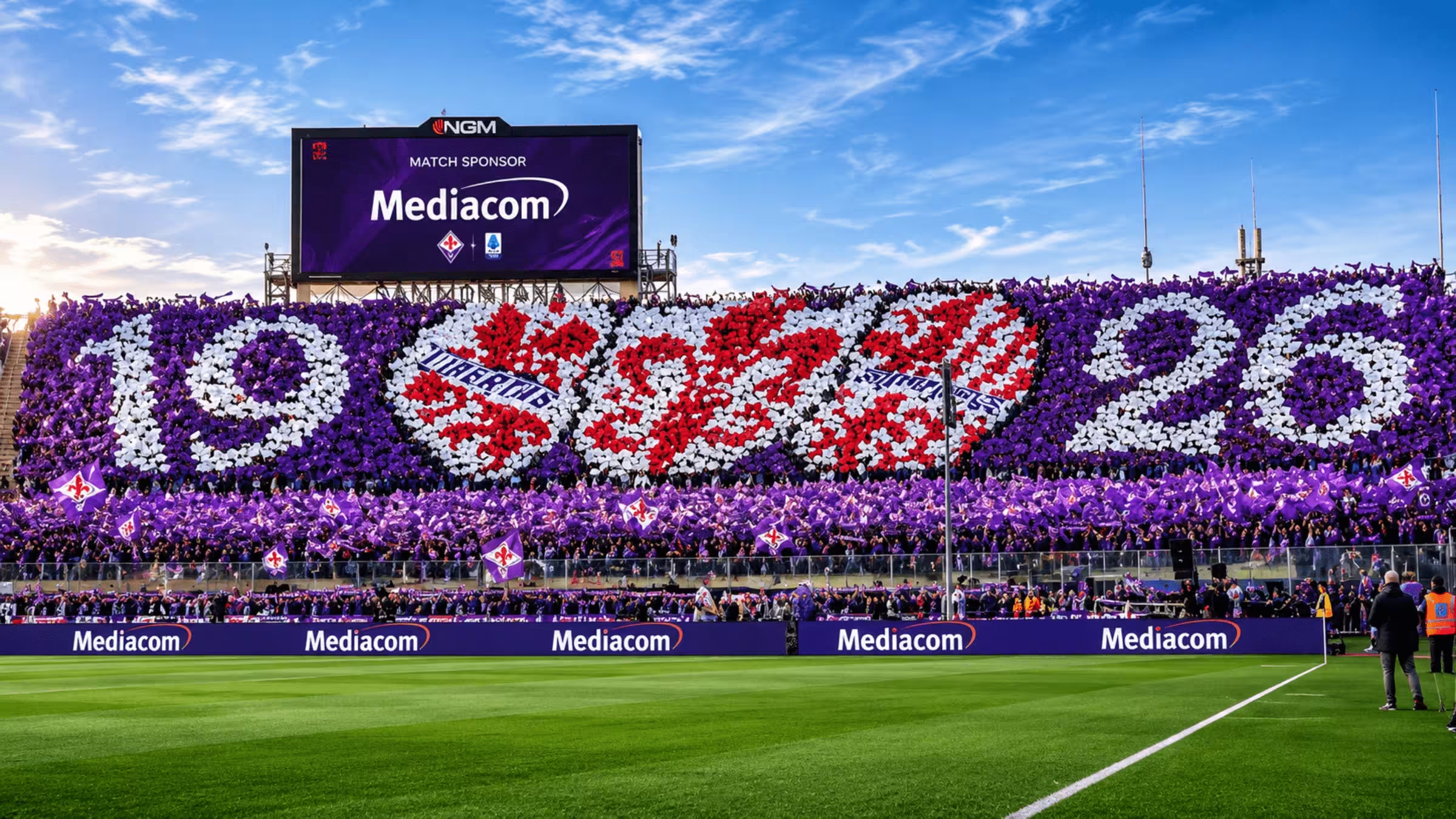
Few things show you a city’s character like an evening with its football club. In Florence that means purple shirts, the Curva Fiesole in full voice and a stadium designed by one of the great engineers of the 20th century. This guide explains how to watch Fiorentina in Florence: where to find tickets, how match day works at the Stadio Artemio Franchi, a short history of the club and its ground, what is changing under new ownership, and how to add a behind-the-scenes Viola Park tour to your trip.
In this guide
How to watch at a glance
- Team: ACF Fiorentina, known as La Viola for their purple shirts.
- Ground: Stadio Artemio Franchi, Campo di Marte, Florence. Opened in 1931.
- Season: Serie A runs roughly from late August to May, with Coppa Italia and sometimes European fixtures.
- Tickets: check live availability through the Ticombo link below.
- Getting there: about 30 minutes on foot from the Duomo area, or a short walk from Campo di Marte station.
- Non-match-day option: a guided tour of the club’s Viola Park training centre.
Fiorentina tickets
The simplest way to see what is on sale is to check the Ticombo listings for Fiorentina home games. Ticombo is a ticket marketplace, so prices are set by sellers and can sit above or below face value depending on the opponent and date. Big fixtures against the likes of Juventus, Inter, Milan, Roma and Napoli tend to be the hardest to get, so book early if one of those matches the dates of your trip.
Before you buy, check the sector, the date and kick-off time, and any entry requirements shown on the listing. Italian clubs can set their own rules on ID and ticket names, so read the details carefully.
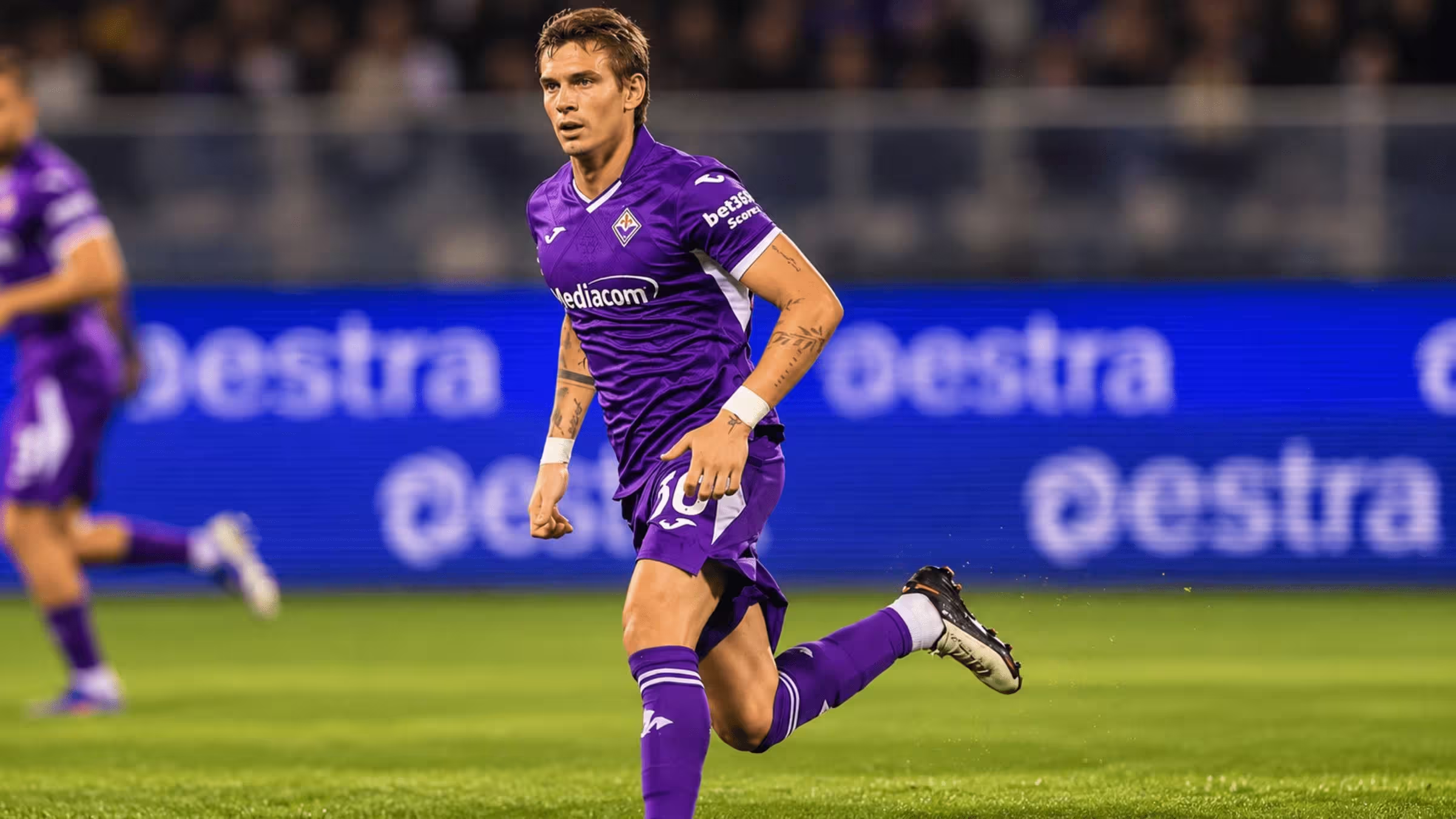
Tickets · Ticombo
Fiorentina home games
Check upcoming Fiorentina fixtures at Stadio Artemio Franchi, compare sectors and see live prices on Ticombo before you book.
Check Fiorentina ticketsAffiliate link: we may earn a small commission at no extra cost to you.
Match day at the Franchi
The stadium sits in the Campo di Marte district, east of the historic centre. Many visitors walk from the Duomo area in about 30 minutes, which is a good way to join the flow of supporters in purple. Campo di Marte station is a short walk from the ground, with local services from Santa Maria Novella, and buses and taxis also run on match days.
The loudest, most committed support is in the Curva Fiesole, the stand behind one goal, which has long been the heart of the Viola ultras. Expect flags, scarves, chants and a build-up that starts well before kick-off. Arrive early, as the area around the stadium is busy and security checks take time. Kick-off times change for TV, so avoid booking late trains or flights on the same evening until the time is confirmed.
A short history of Fiorentina
Fiorentina was founded on 29 August 1926 through the merger of two Florentine clubs, and the purple shirt soon became part of the city’s identity. The club rose quickly. In 1956 it won its first Serie A title and reached the European Cup final the following year, where it lost to Real Madrid, becoming the first Italian club to play in that final.
In 1960-61 Fiorentina won the UEFA Cup Winners’ Cup, a landmark European trophy for an Italian side. A second Serie A title followed in 1968-69. The club has also won the Coppa Italia six times. After financial collapse in 2002 it restarted and climbed back up the leagues, returning to Serie A and European football within a few years.
More recently, Fiorentina reached two UEFA Conference League finals in a row, in 2023 and 2024, and a Coppa Italia final in 2023. The club did not win those finals, but the run put Florence firmly back on the European map.
The Stadio Franchi
The stadium opened on 13 September 1931 as the Stadio Giovanni Berta, with a 1-0 win over Admira Wien. It was designed by Pier Luigi Nervi, who became one of the most celebrated structural engineers of the last century, and it is built in raw reinforced concrete. Three features stand out: a cantilevered roof over the main stand that was a breakthrough for its time, the 70-metre Marathon Tower, and the spiral ramps that wind around its base to the upper tiers.
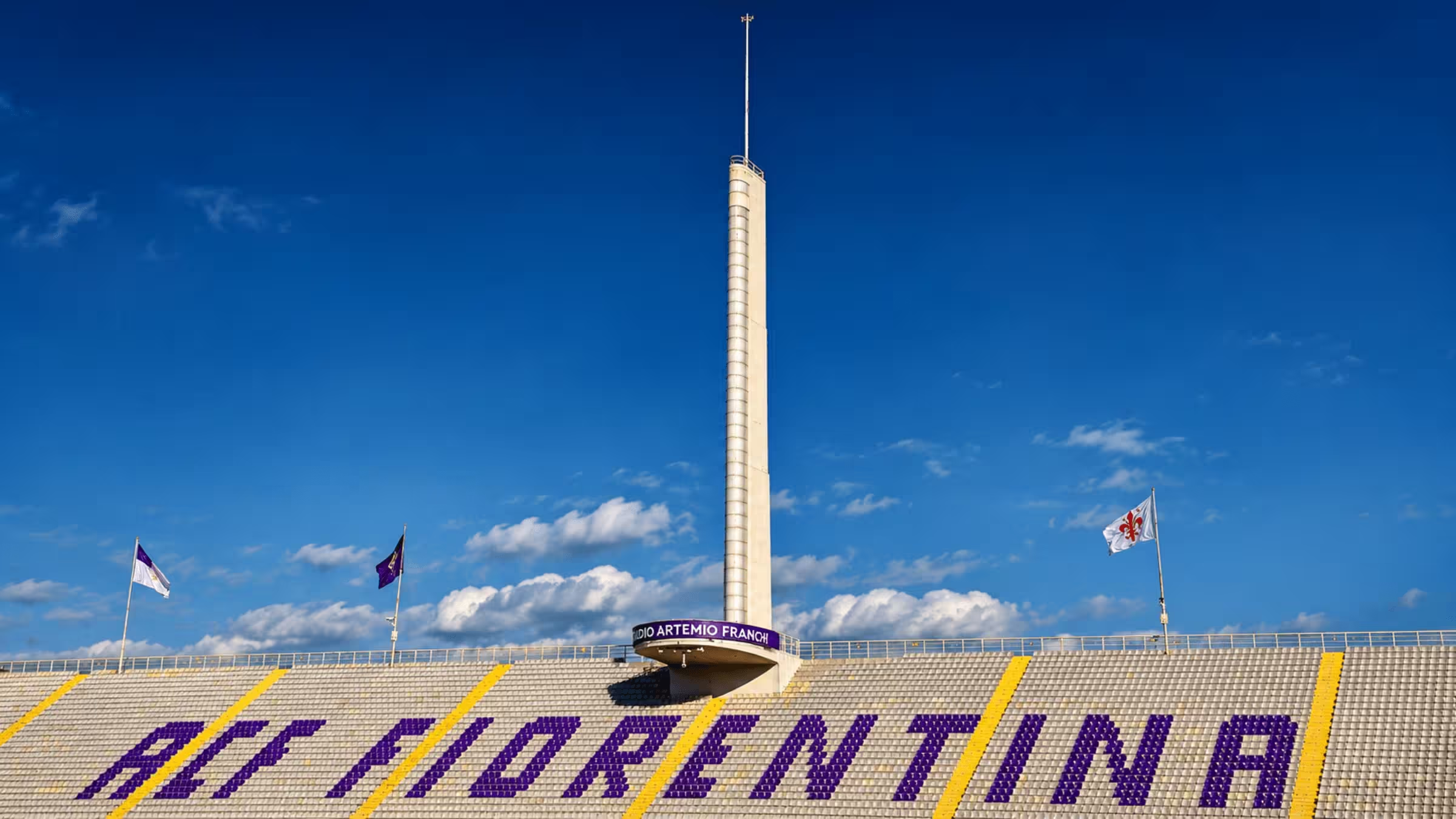
It later took the name of Artemio Franchi, the Florentine football administrator who rose to lead European football. The ground hosted matches at the 1934 World Cup, including a quarter-final and its replay, and four games at Italia 90, among them Argentina’s penalty shootout win over Yugoslavia. The record crowd is 58,271, for Fiorentina against Inter on 25 November 1984.
The stadium upgrade
The Franchi is one of Italy’s most important modern heritage sports buildings, and also one of its most outdated. The city of Florence is redeveloping it in phases while Fiorentina keep playing there. The plan keeps the Nervi features that make the stadium special, including the Marathon Tower and the spiral stairs, and adds new roofing over the Curva Fiesole, the main stand and the Maratona sector, new seating and better facilities. The design brief calls for a capacity of at least 40,000.
Progress has been slower than first hoped. At the end of 2025 the mayor of Florence put the total cost of the first two lots at around 265 million euros, with roughly 60 million still to be found, and said the stadium should be fully usable from the 2029-30 season. Work on the Curva Fiesole, including new prefabricated steps, was continuing in 2026, and its reopening has been pushed back. Italy is also a co-host of Euro 2032, and the deadline to submit the final design and funding for the Franchi is 31 July 2027, which keeps pressure on the project.
For visitors this means the stadium is still very much a working construction site in places. Sectors, entrances and facilities can change from one match to the next, so check the details of your ticket carefully.
New owners and ambitions
American businessman Rocco B. Commisso bought Fiorentina from the Della Valle family in June 2019. Over his time in charge the family invested more than 500 million euros in the club, including the Viola Park training centre, and the team reached those two Conference League finals and a Coppa Italia final. Commisso died in January 2026.
His son Giuseppe Commisso then became president, promising continuity with his father’s plans and a return to the level he says Florence and its fans deserve. The club has also brought in Fabio Paratici as sporting director. Giuseppe has called the state of the Franchi one of his father’s biggest regrets and has said he hopes for a modern stadium for the city within a reasonable time. For fans, the message is simple: Viola Park is built, the squad is being rebuilt, and the next big step is the stadium.
The club also marks its centenary in 2026, a good moment to visit and see how the club’s heritage and its future sit side by side.
Viola legends
Fiorentina has produced and attracted some of Italian football’s most loved players:
- Gabriel Batistuta. The Argentine striker, nicknamed Batigol, scored goals in huge numbers through the 1990s and remains a hero to supporters. A statue of him stands near the stadium.
- Roberto Baggio. The gifted forward played in Florence from 1990 to 1993. His sale to Juventus caused protests in the city, and he is still remembered with great affection.
- Giancarlo Antognoni. The elegant midfielder and club captain who spent the best part of his career in purple and is regarded as one of the club’s all-time greats.
- Rui Costa. The Portuguese playmaker who became a favourite in the late 1990s.
- Kurt Hamrin. The Swedish winger who scored freely through the club’s golden years around the 1960s, including the Cup Winners’ Cup win.
- Luca Toni. The towering striker who scored 31 goals in the 2005-06 Serie A season and won the European Golden Shoe.
Go behind the scenes at Viola Park
If you want more than a 90-minute match, the guided tour of Viola Park, Fiorentina’s training centre in the hills of Bagno a Ripoli, is a good companion. It takes in the Media Center, the training fields, time in the stadium stands and on the pitch, the official store, and ends with a drink. It also works on days when there is no home game. Our full guide to the Viola Park tour covers what to expect, how to get there and what guests say.
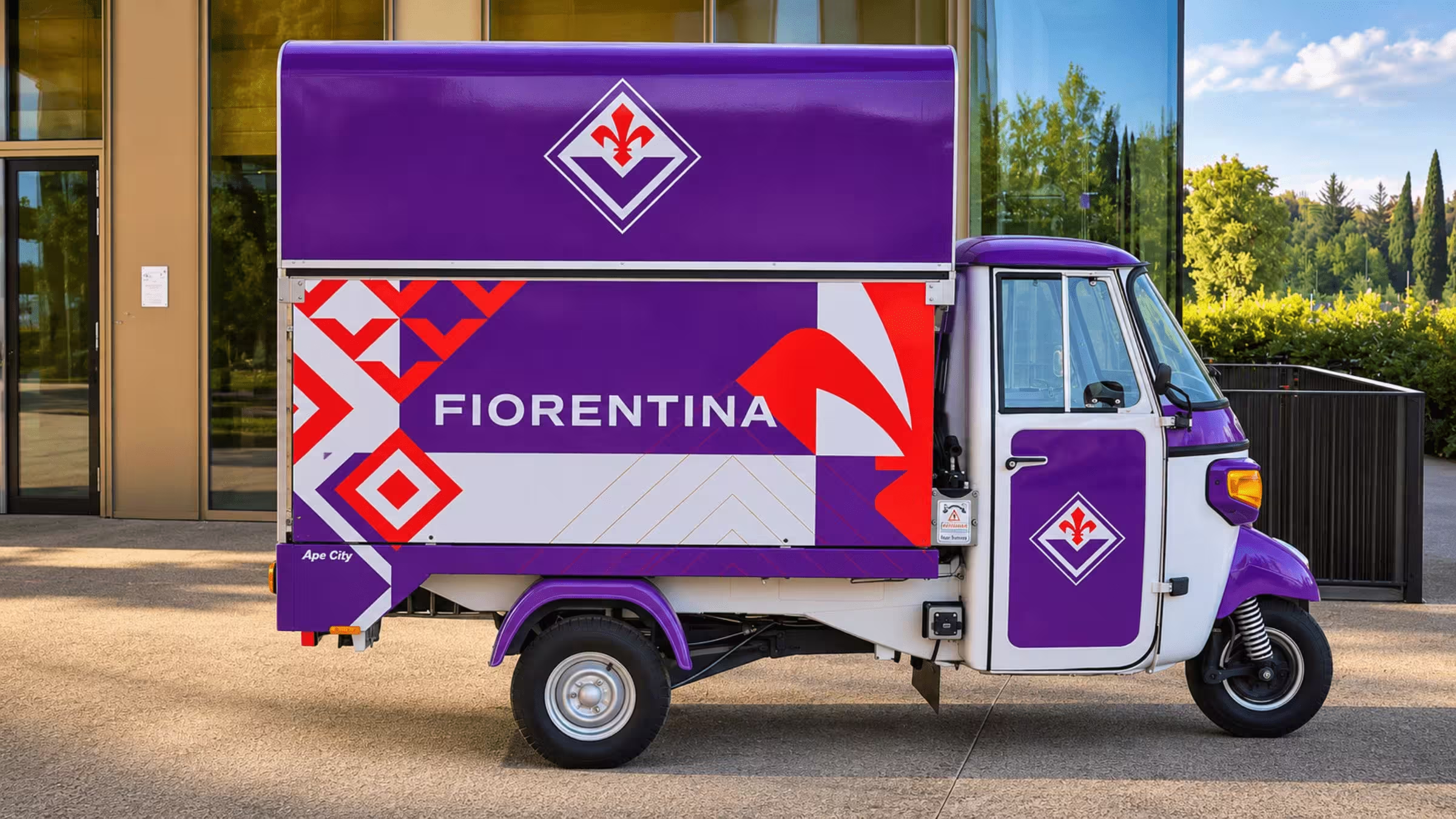
ACF Fiorentina Viola Park guided tour and drink
Check availability, the start time, what is included and the latest reviews for your date.
Affiliate link: we may earn a small commission at no extra cost to you.
Where to stay
For a match day, the historic centre is the easiest base: you can walk to the stadium or hop on a train from Santa Maria Novella. Our guide to where to stay in Florence compares the best areas. Here is one well-located option, plus a map to compare other places for your dates. If you are making a longer food and football trip, try the Florence truffle hunt too.
Our pick · Budget
Hotel Perseo
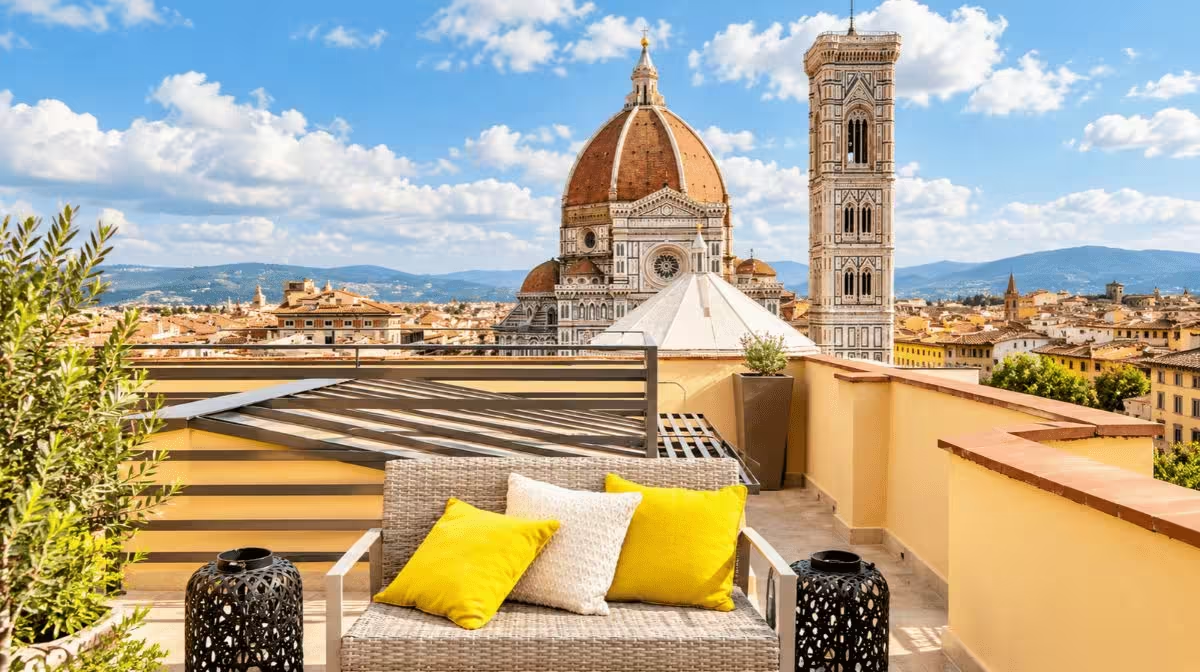
A modern, good-value hotel a short walk from the Duomo, with a rooftop terrace. A handy central base before you head out to Viola Park.
Check rates & availabilityAffiliate link: we may earn a small commission at no extra cost to you.
Tips for match day
- Check the kick-off time and sector on your ticket, and keep your ticket and any ID to hand.
- Allow time for security checks, and try to be in your seat before kick-off.
- Wear something purple if you can. It helps you blend in with the home crowd.
- Do not plan a late train or flight on the same night. Match times and finish times can vary.
- Remember the stadium is under redevelopment, so facilities and entrances may differ from older photos.
- Book the Viola Park tour for a morning or a day without a match.

FAQ
How can I buy tickets for a Fiorentina home game?
Use the Ticombo link in this guide to see available seats for upcoming Fiorentina matches. Ticombo is a ticket marketplace, so prices are set by sellers and can differ from face value. Check the sector, date, kick-off time and any entry requirements before you buy.
Where do Fiorentina play their home games?
At the Stadio Artemio Franchi in the Campo di Marte district of Florence. The stadium opened in 1931 and is famous for its Marathon Tower and spiral staircases.
How far is the stadium from the centre of Florence?
Roughly a 30-minute walk from the Duomo area. Campo di Marte station is a short walk from the ground, with local trains from Santa Maria Novella, and buses and taxis also run on match days.
Is the Stadio Franchi being rebuilt?
It is being redeveloped in phases while Fiorentina keep playing there. The works keep the Nervi-designed heritage features, add new roofing and upgrade the stands. Reports put the total cost at around 265 million euros, with full completion expected from the 2029-30 season, so sectors and facilities can change.
How many league titles have Fiorentina won?
Two Serie A titles, in 1955-56 and 1968-69. They have also won the Coppa Italia six times and the UEFA Cup Winners’ Cup in 1960-61.
Who are Fiorentina’s most famous players?
Gabriel Batistuta, Roberto Baggio, Rui Costa, Giancarlo Antognoni, Kurt Hamrin and Luca Toni are among the best known names to have worn the purple shirt.
Can I see Fiorentina without a match ticket?
Yes. The guided Viola Park tour takes you around the club’s training centre, with a visit to the Media Center, the training fields, the stadium stands and the official store, plus a drink at the end. Check the listing for the latest details.
When is the Serie A season?
Serie A usually runs from late August to May. Fixture dates and kick-off times are set by the league and can move for TV, so confirm them before booking travel.
This guide contains affiliate links. We may earn a small commission at no extra cost to you. Opening hours, prices and tour details change, so check live listings before you go. Visitor comments are summarised from public reviews.