 Skip to content
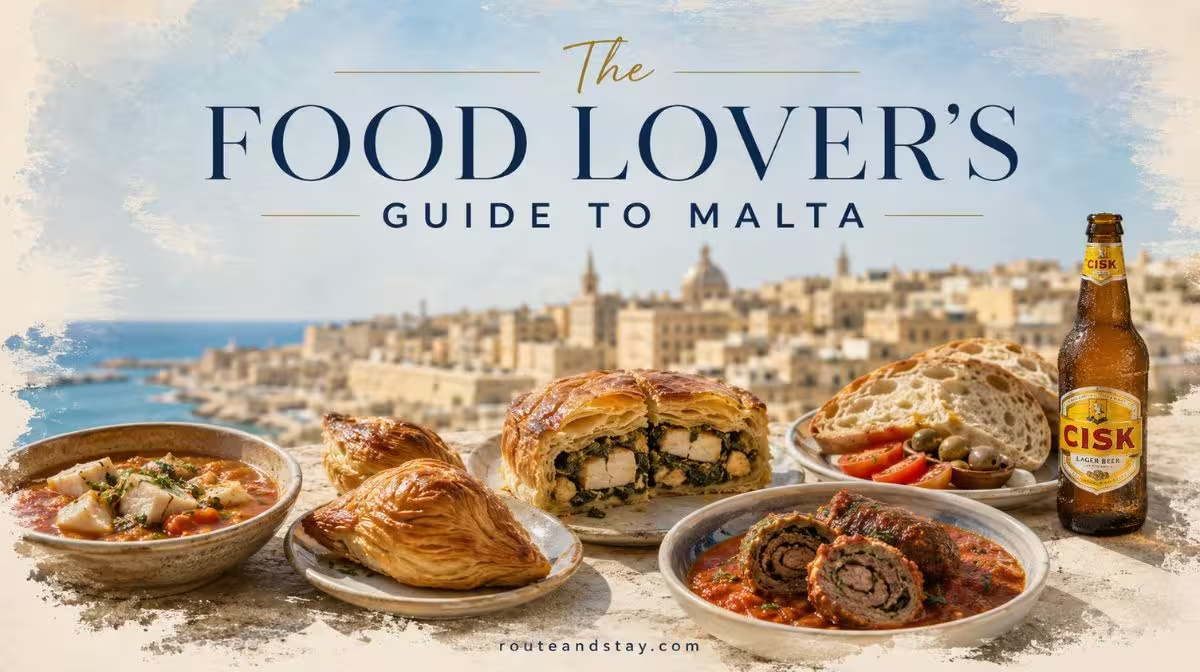
Maltese food doesn’t get talked about the way Italian or Greek cooking does, but it should. Centuries of Sicilian, North African, and British influence collided on a tiny island and produced something genuinely its own — flaky pastizzi eaten standing up at a counter, rabbit stewed slow for Sunday lunch, bread stuffed with tuna and capers for the beach. This guide covers what to eat, where to eat it, and the food experiences worth actually booking.
- Signature dish: Pastizzi
- Average meal cost: €15–30 per person, casual dining
- Tipping: 5–10%, not obligatory — check if service is already included
- Drink to order: Cisk Lager or Kinnie
ContentsHide
Must-Try Maltese Dishes
Nine dishes that show up on nearly every Maltese table, from street-corner snack to Sunday feast.
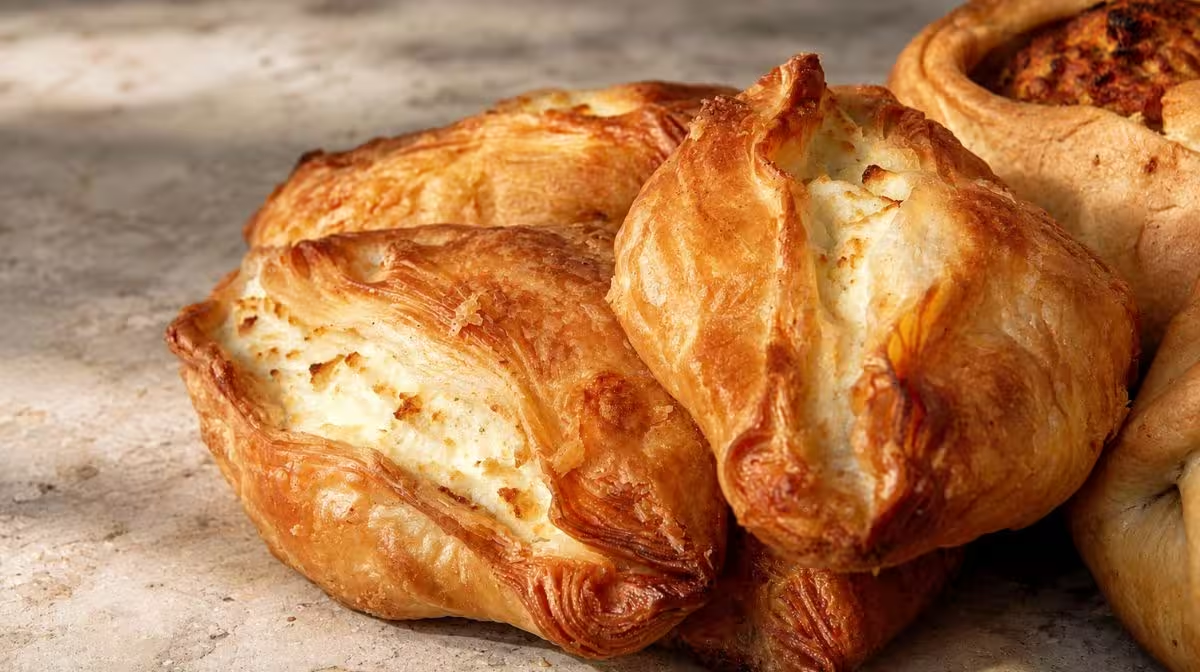
Pastizzi
Flaky diamond-shaped pastry filled with ricotta or mushy peas. Malta’s favorite snack, eaten any time of day — often with a milky tea. Note for vegetarians: some bakeries mix a little meat into the pea filling without always flagging it, so ask if you’re strict about it.
~€0.30–0.70 each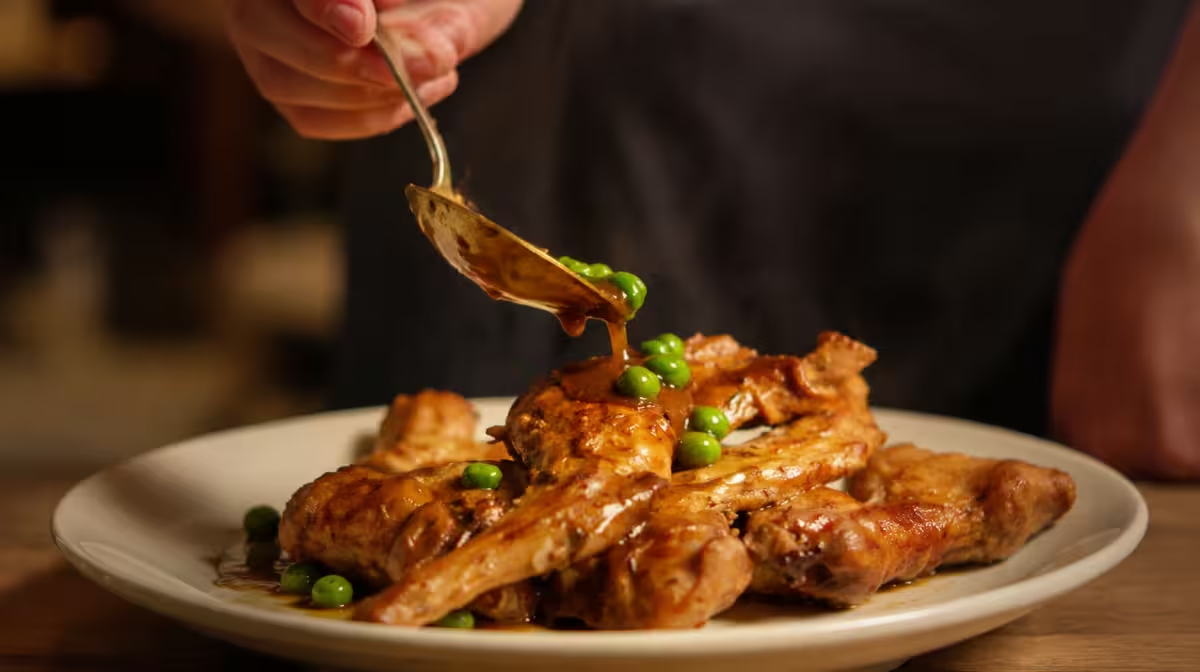
Fenkata (Rabbit Stew)
Malta’s national dish — rabbit slow-cooked in wine, garlic, and bay leaves. Traditionally a Sunday feast, and many family-run restaurants still only serve it that day.
~€15–22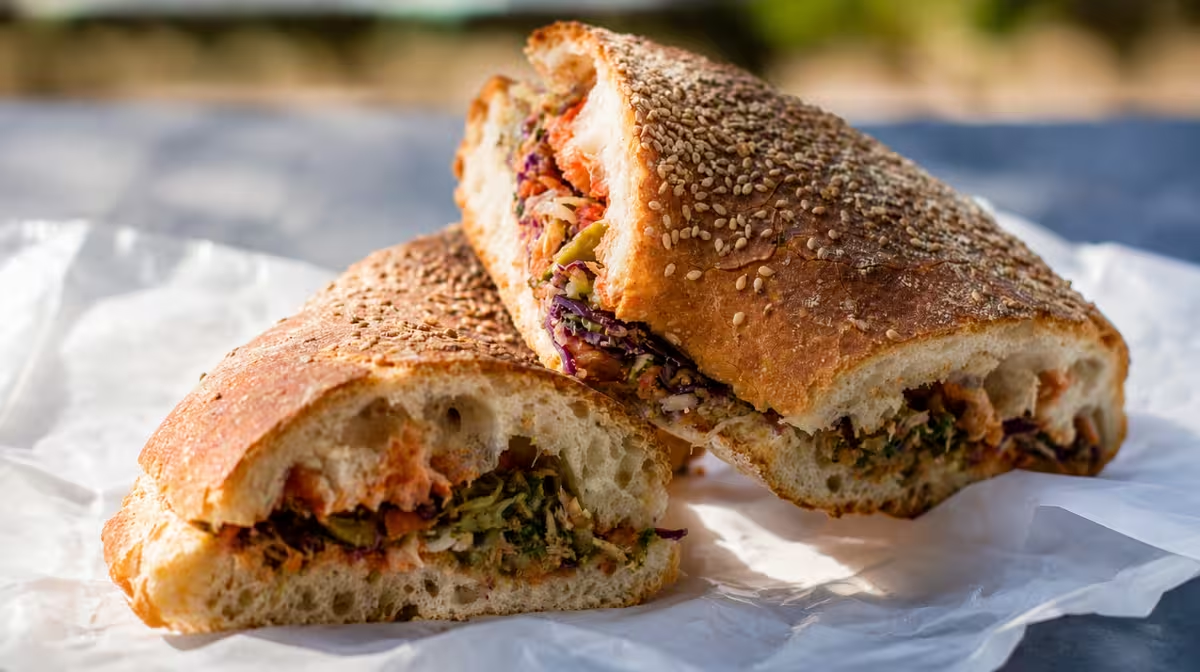
Ftira
Maltese sourdough flatbread stuffed with tuna, tomatoes, olives, capers, and onion. Classic packed lunch or beach food — light but filling.
~€5–9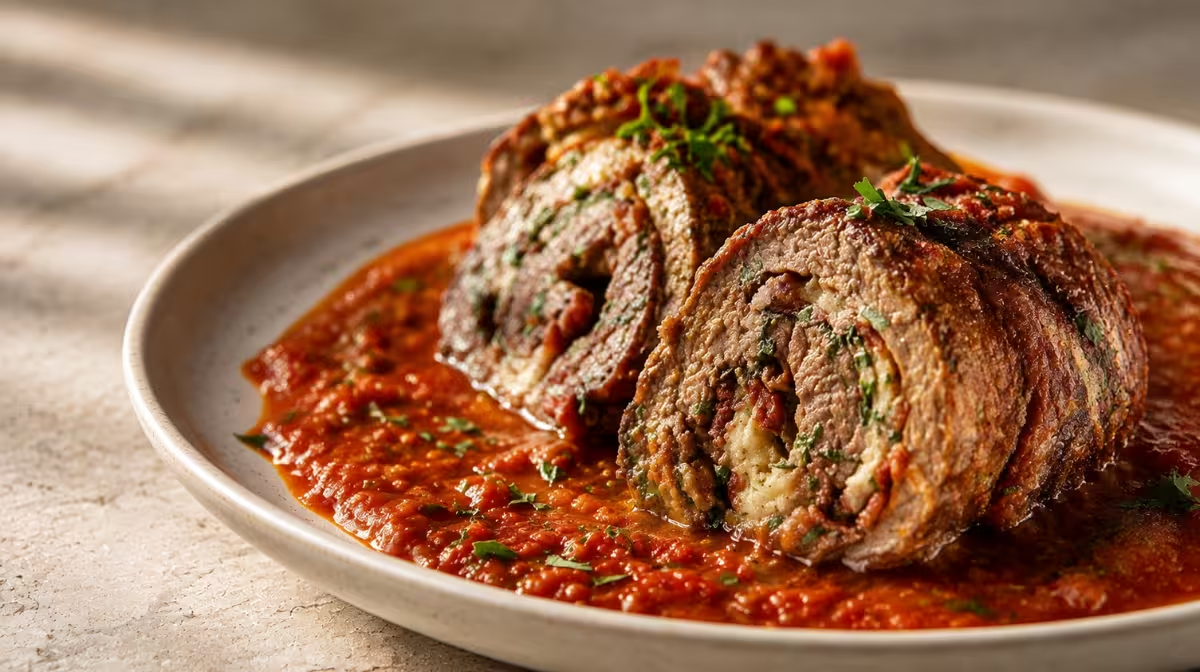
Bragioli (Beef Olives)
Thin beef slices rolled around a savory stuffing of egg, breadcrumbs, and herbs, braised in rich tomato sauce. A Sunday-table classic at family-run spots.
~€12–18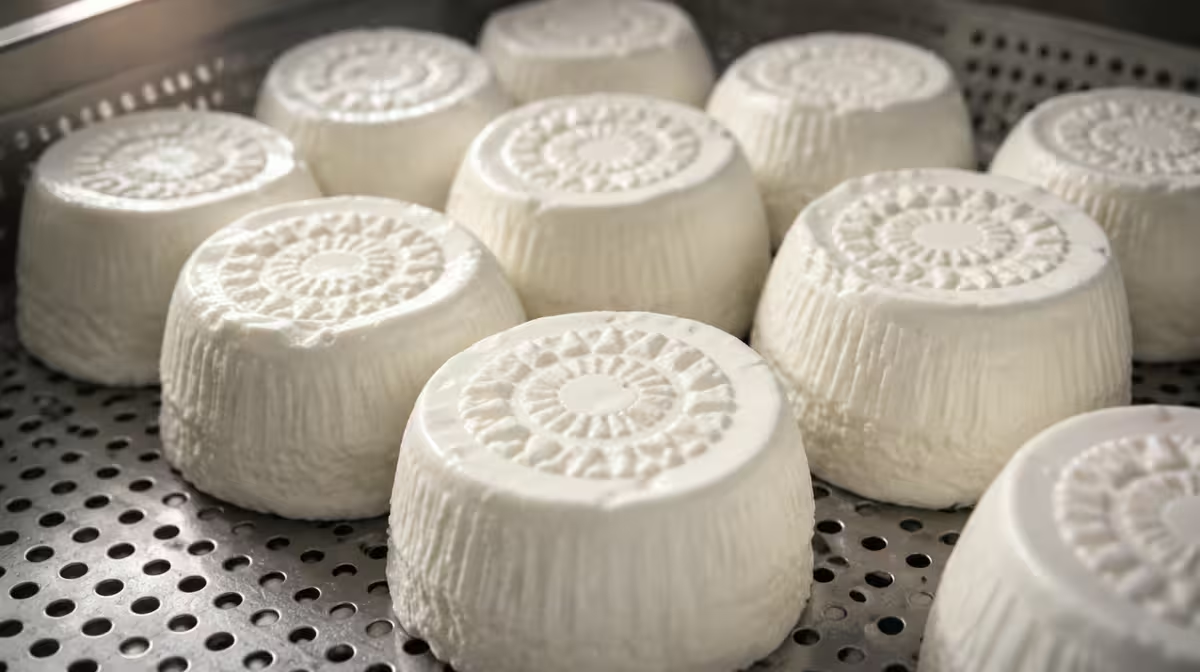
Ġbejniet
Small round sheep’s or goat’s cheeselets, served fresh, dried, or peppered. Usually paired with galletti crackers as a light starter or snack.
~€4–7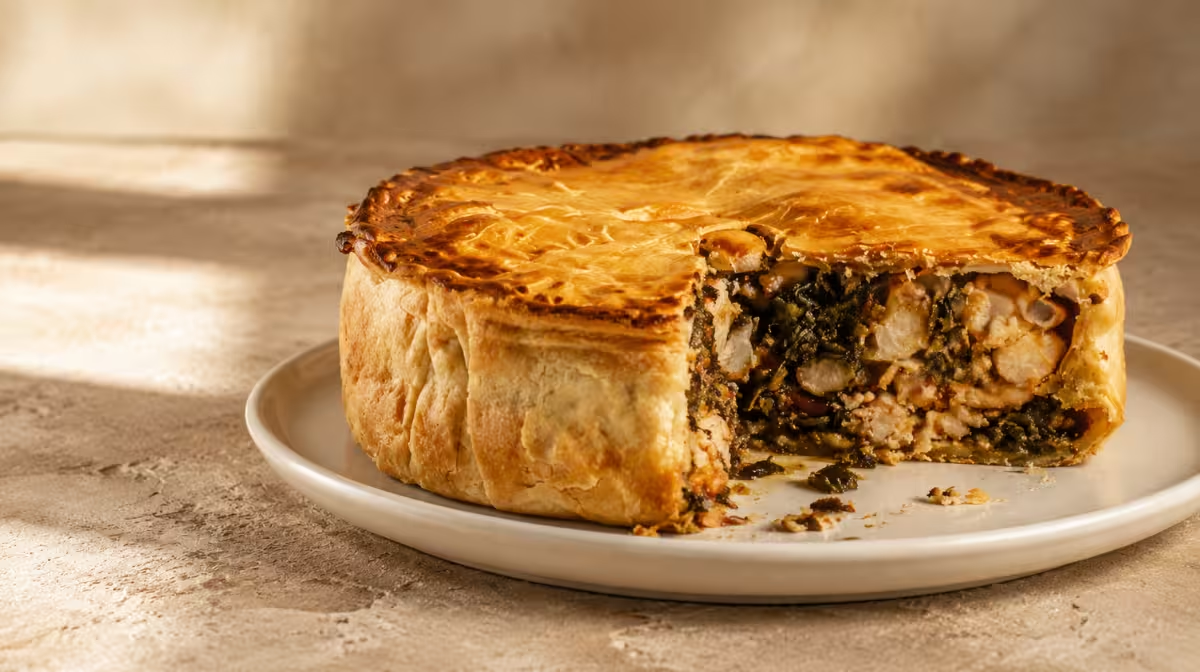
Lampuki Pie
Savory pie of lampuki (dorado fish), spinach, olives, and walnuts. Strictly seasonal — only appears on menus from around August through December when the fish is running.
~€10–16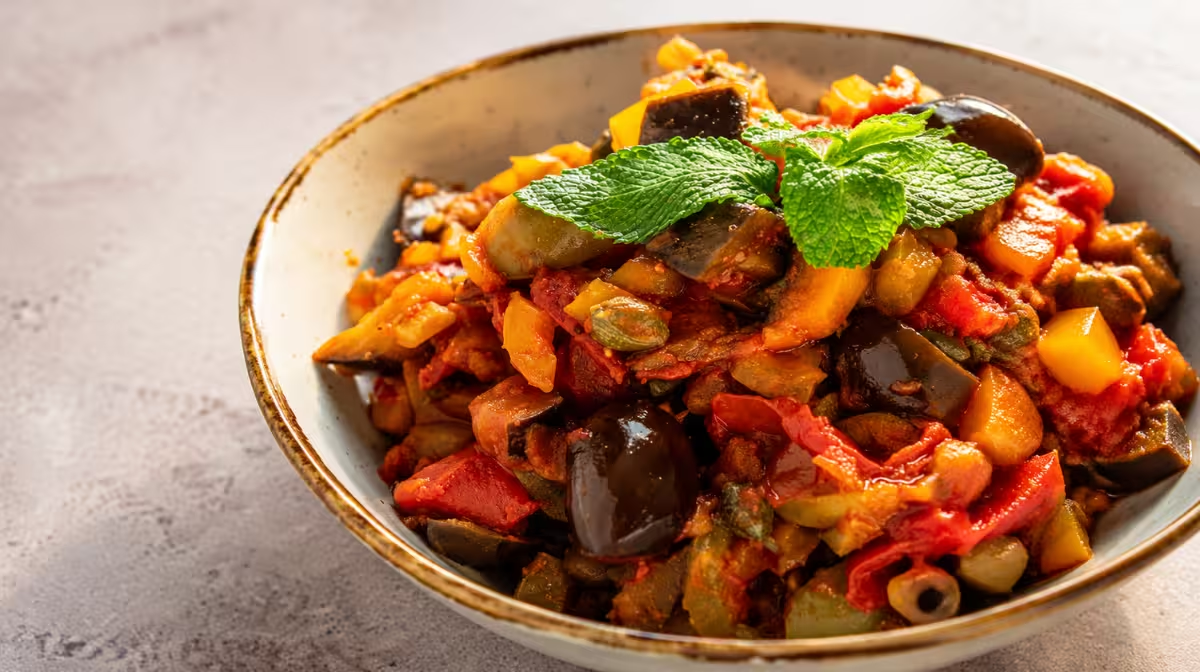
Kapunata
Maltese ratatouille — eggplant, peppers, tomatoes, capers, and olives stewed together. Usually served as a side or piled onto crusty bread.
~€4–7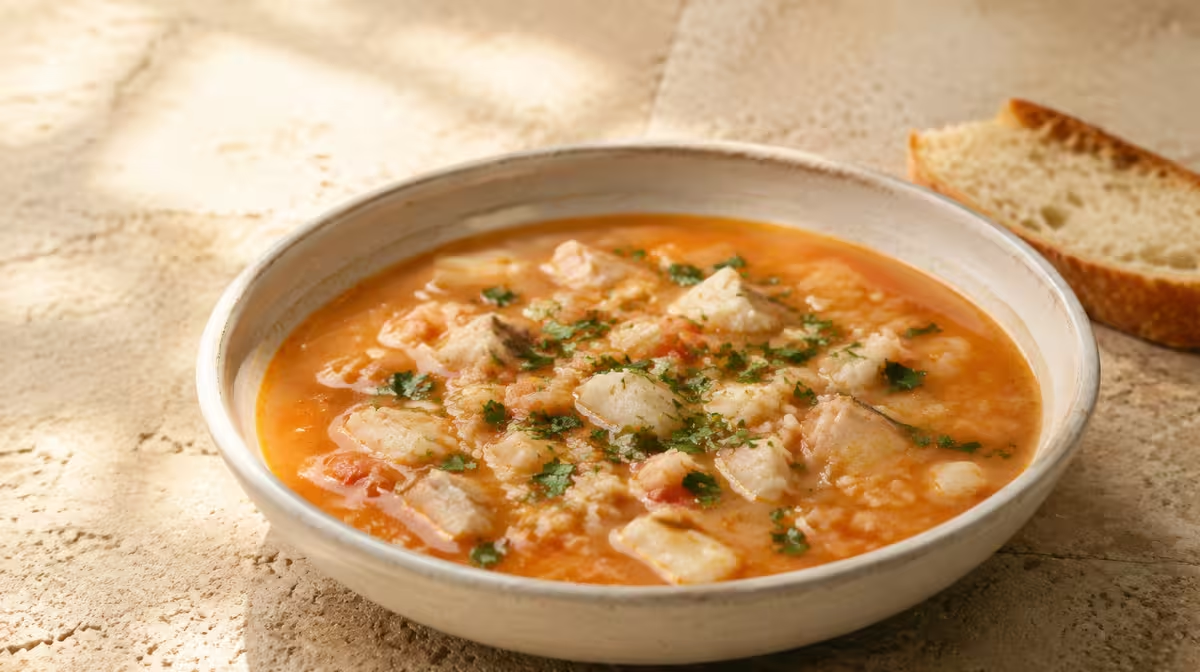
Aljotta
A garlicky fish soup and one of Malta’s most comforting classics — best mopped up with fresh Maltese bread.
~€6–10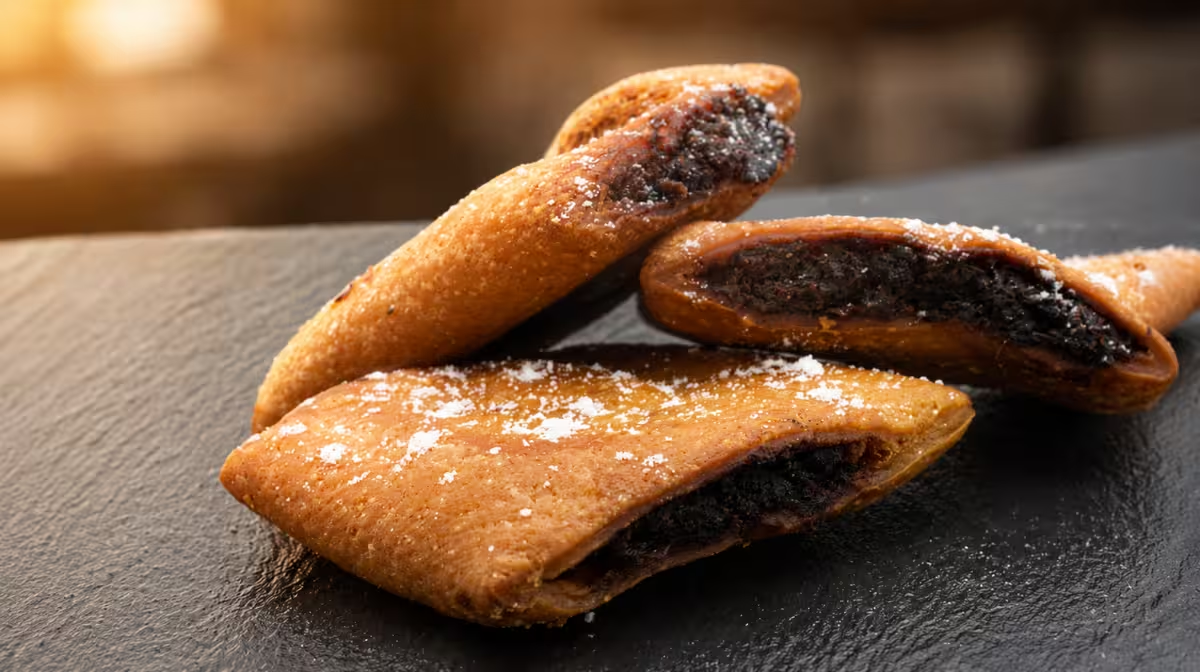
Imqaret
Fried date-filled pastry diamonds, dusted in sugar. Sold at village festas and street stalls — doubles as Malta’s unofficial dessert.
~€1–2 eachLocal Drinks to Try
Two drinks you’ll see everywhere on the island, and neither is optional if you want the full picture.
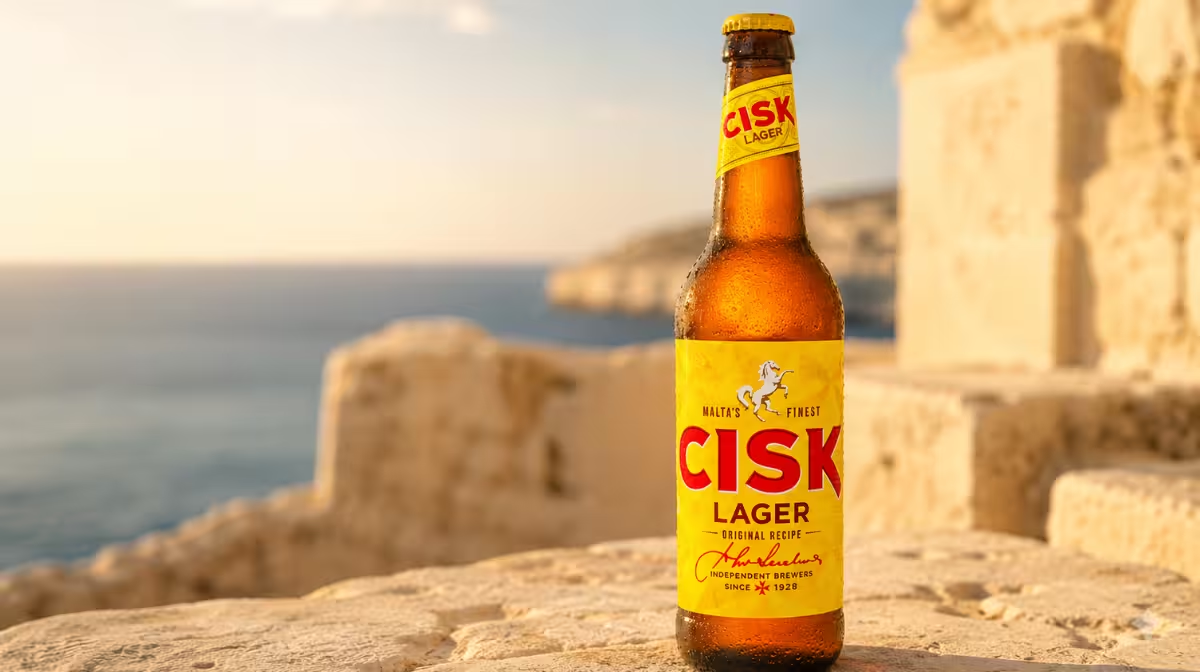
Cisk Lager
Malta’s national beer, launched in 1929 by Farsons and still brewed to the original recipe. Crisp and light — order it cold at any bar or beach kiosk.
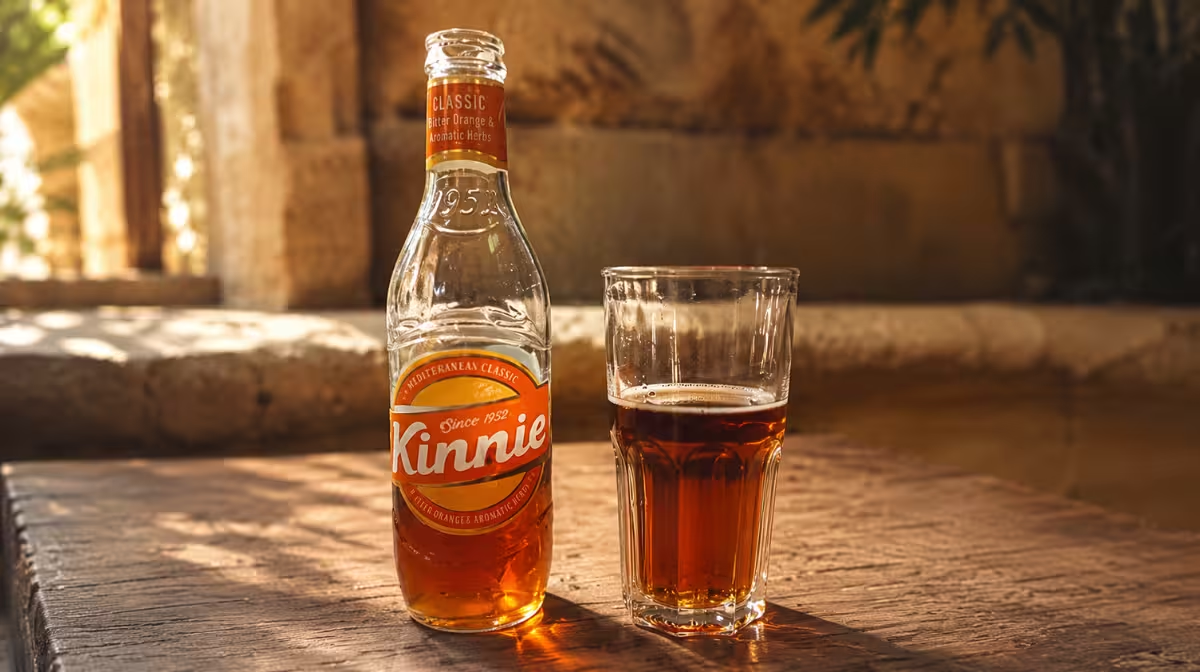
Kinnie
A bittersweet Maltese soft drink made from bitter oranges and aromatic herbs — you won’t find it anywhere else. Try it neat or with a lemon wedge.
Where to Eat: Local Favorites
Three spots that represent three very different sides of Maltese eating — street food, sit-down tradition, and harbourside seafood.
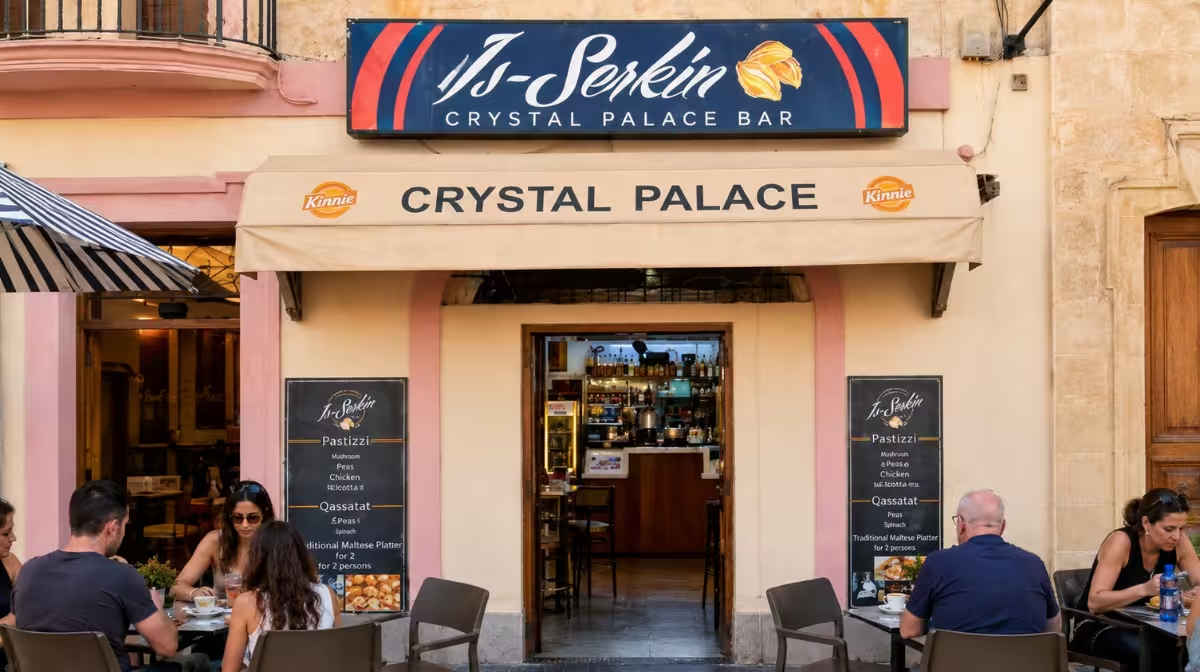
Crystal Palace / Is-Serkin — Rabat
Malta’s most famous pastizzeria, open since 1945/46 and known for round-the-clock lines. The pea and ricotta pastizzi here are the benchmark everyone else gets compared to.
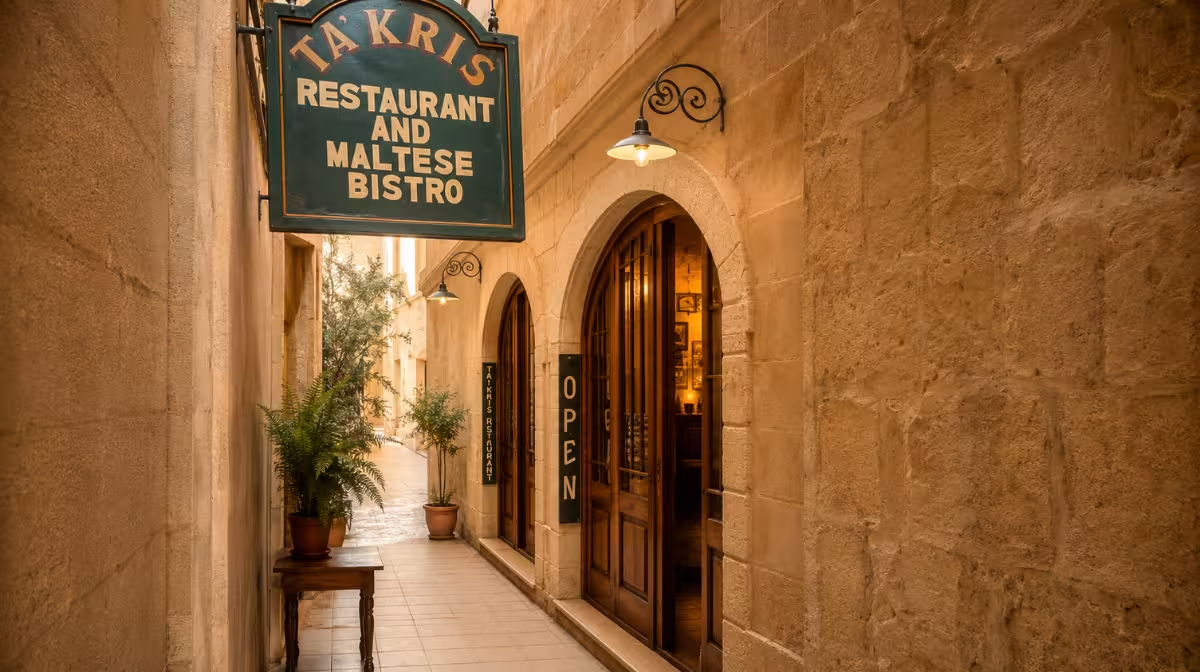
Ta’ Kris — Sliema
Family-run and housed in one of Sliema’s oldest bakeries. Best known for bragioli and rabbit, with a solid daily fresh fish selection too.
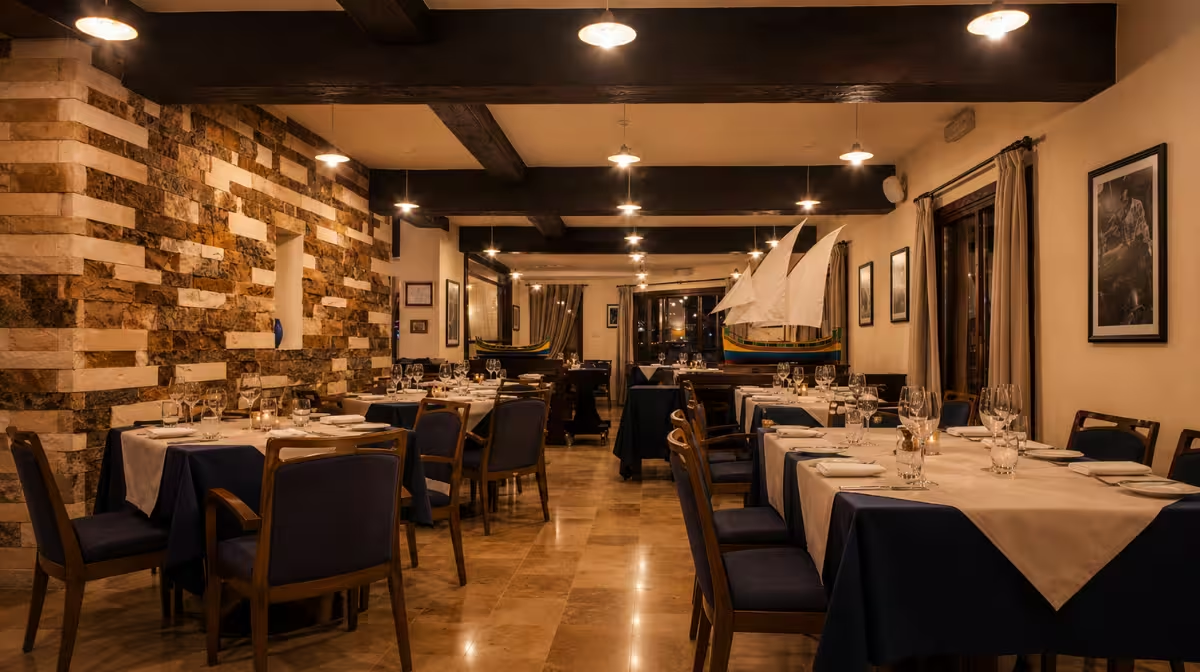
Tartarun — Marsaxlokk
Locally loved, family-run seafood right on the fishing harbour — about as close to the boat as your plate can get.
Best Food Tours & Experiences in Malta
If you want to go deeper than a meal, these four are worth booking ahead — especially the folklore dinner show and Sunday fenkata sittings, which fill up fast.
Valletta Street Food & Culture Walking Tour
A guided walk through Valletta’s backstreets sampling pastizzi, ftira, Kinnie, and rabbit along the way, with the history woven in between bites.
Gozo: Cooking Class & Market Visit
Start at Victoria’s market with your host — a stop at the cheesemonger, fish hawker, and butcher — then head to an open kitchen to hand-make pastizzi, Gozitan ftira, and traditional nougat before sitting down to eat what you made.
Ta’ Marija Folklore Dinner Show
A 4-course traditional Maltese dinner with free-flowing local wine, followed by six dancers in 18th-century costume telling Malta’s story through folk dance. Running at Ta’ Marija in Mosta since 1964 — the dancefloor stays lit after the show for anyone who wants to keep the night going.
Malta Wine Tasting Experience
A guided tasting flight of local Maltese wines in St Julian’s — a relaxed way to explore the island’s small but growing wine scene.
Where to Stay
Compare accommodation across Malta on the map below. For full hotel-by-hotel picks by area and budget, see our complete Where to Stay in Malta guide.
Pro Tips for Eating in Malta
- Sunday is Fenkata day — reserve ahead, family-run spots fill fast
- Carry small cash — pastizzerija and market stalls are often cash-only
- Meals run later than you’d think — dinner rarely starts before 7:30pm
- Try both the pea and ricotta pastizz before picking a favorite — a local rite of passage
- Book the folklore dinner show and cooking class a few days ahead in peak season — both are small-group and sell out
Frequently Asked Questions
What is the national dish of Malta?
Fenkata — rabbit slow-cooked in wine, garlic, and bay leaves. It’s traditionally eaten on Sundays, and many family-run restaurants still only serve it that day.
Is Maltese food similar to Italian food?
There’s a strong Sicilian influence — pasta, tomato sauces, and capers are everywhere — but centuries of Arabic, North African, and British influence give Maltese cooking its own identity, from pastizzi to Kinnie.
How much does a meal cost in Malta?
Expect €15–30 per person for casual dining. Street food like pastizzi costs well under €1 each, while a full sit-down seafood dinner can run higher.
Do I need to tip in Malta?
Tipping isn’t obligatory — 5–10% is standard if you’re happy with the service, and it’s worth checking whether a service charge has already been added to the bill.
Is pastizzi vegetarian?
The ricotta and pea versions are usually vegetarian, but some bakeries mix a small amount of meat into the pea filling without flagging it clearly. If you’re strict about it, ask before you order.
What’s the best food experience to book in Malta?
For a first visit, the Valletta street food walking tour covers the most ground in one sitting. If you have an evening free, the Ta’ Marija folklore dinner show pairs a full traditional meal with a genuine cultural performance.
More Malta guides: Malta Three Cities Guide · How to Get to Gozo · Mdina & Rabat Travel Guide