 Skip to content

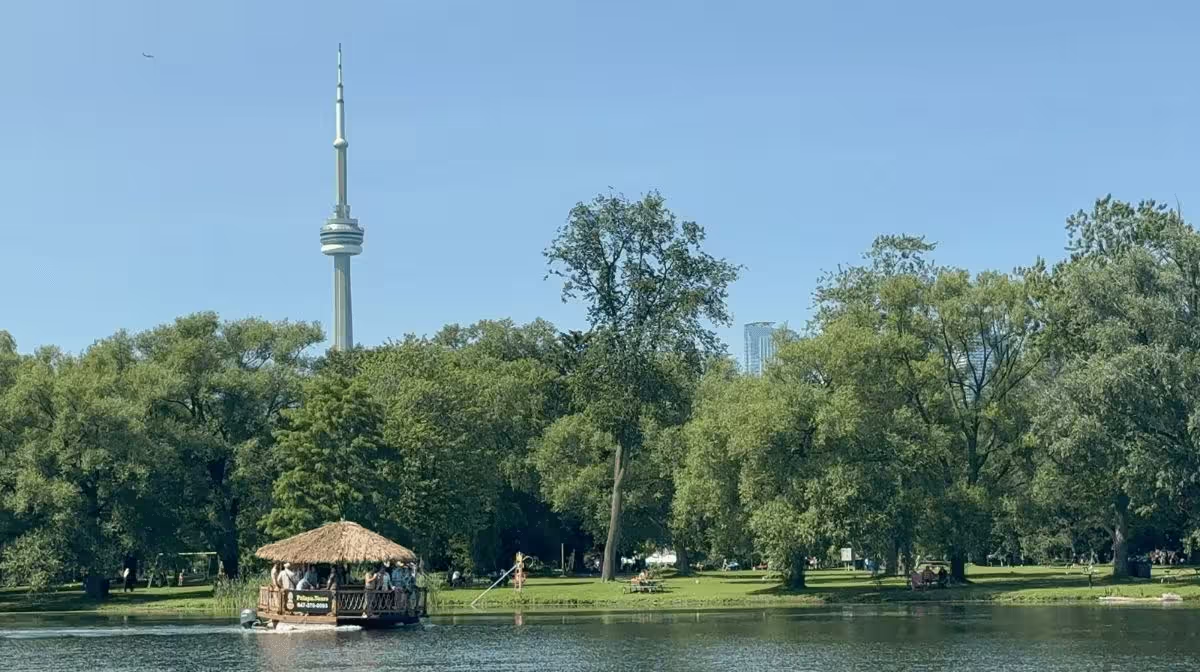
Ten minutes by ferry from downtown Toronto is a car-free chain of islands most first-time visitors don’t even know exists — until they see the skyline photo everyone takes from there and start asking how to get to it themselves. The Toronto Islands are equal parts beach day, amusement park, quiet residential village, and, as it turns out, a genuine footnote in baseball history. This is part of our full Toronto travel guide: here’s how the islands came to exist, what’s actually on them, and what we found when we went ourselves.
Jump to a section
How the Islands Were Formed
The Toronto Islands weren’t always islands. For centuries they were a single curved peninsula, built up gradually as sand eroded off the Scarborough Bluffs to the east and drifted west along the shoreline on lake currents. The Mississaugas called the landform Menecing — “on the island” — and used it as a place of rest and healing long before the city around it existed. That changed permanently in April 1858, when a violent storm cut a channel through the peninsula’s narrowest point. The connection to the mainland was never repaired, and what had been a spit of sand became, essentially by accident of weather, the chain of roughly 15 islands that sits in the harbour today.
Worth knowing: the islands now make up the largest urban car-free community in North America — no private vehicles are allowed anywhere on them, aside from official city maintenance vehicles.
Centre Island
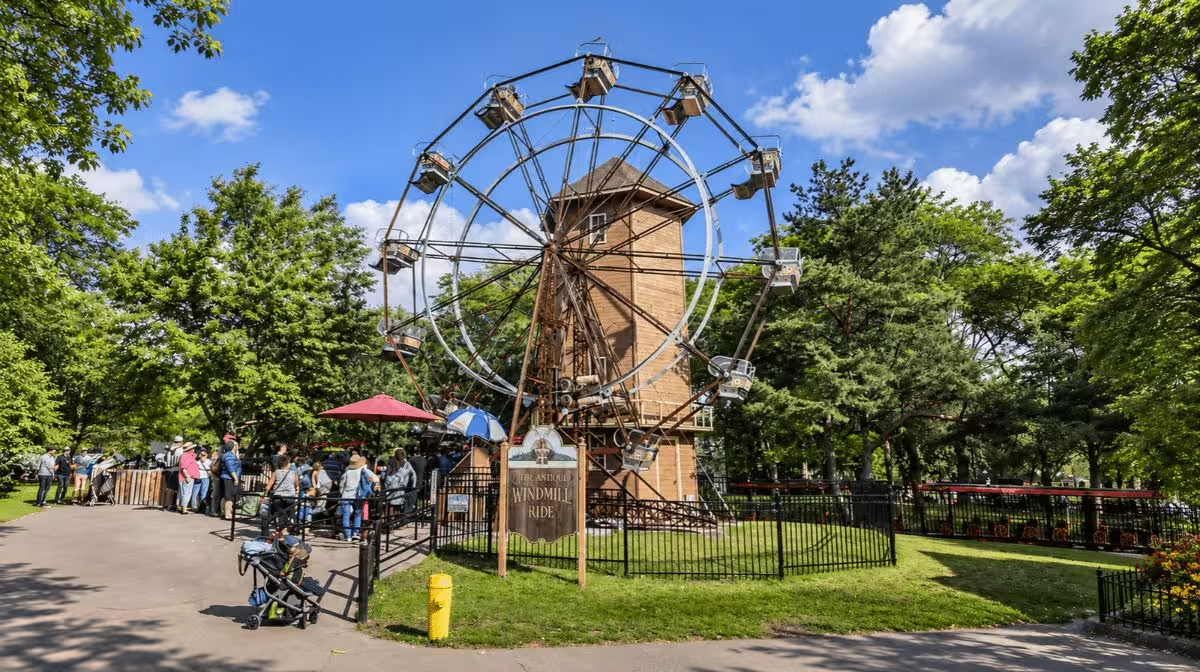
Centre Island is the busiest of the three main landing points, and the reason is Centreville Amusement Park — an old-fashioned, turn-of-the-20th-century village of a theme park that’s been running since 1966, with a 1907 carousel, a Ferris wheel, bumper boats, and roughly 30 rides in total. Younger kids tend to gravitate to Far Enough Farm next door, a small petting zoo with sheep, rabbits, and chickens. It’s genuinely old-fashioned rather than a modern theme park — no towering coasters or neon, just a pleasant, slightly nostalgic afternoon.
Beyond the amusement park, Centre Island has the main public beach on its south shore, bike and boat rentals near the docks, and the widest network of paved paths on the islands — the easiest place to rent a bike and just cover ground. If a guided harbour cruise is more your speed than the DIY ferry-and-bike approach, see our Best Toronto Tours guide for the boat option.
Ward’s Island
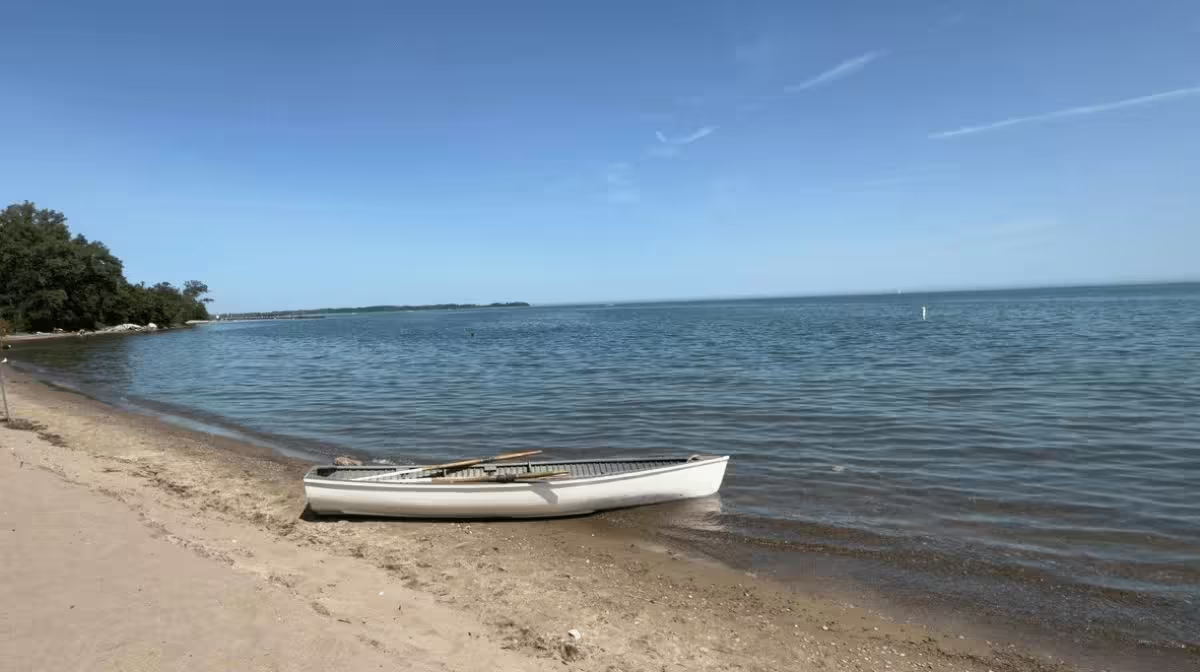
Ward’s Island is technically the eastern end of the same landmass as Centre Island, but it feels like a different place entirely. It’s home to most of the islands’ roughly 600 year-round residents, spread across about 260 homes in a genuinely residential, cottage-like community — named after the Ward family, who settled here around 1830. There’s a yacht club, a quiet beach on the south side, and the Rectory Café, one of the few year-round dining options on the islands. It’s the version of the islands locals tend to prefer: fewer crowds, more front-porch charm, the same skyline view.
Hanlan’s Point
Hanlan’s Point, at the western end, is named after Ned Hanlan, a world-champion competitive rower and one of the first people to settle permanently on the islands. It’s also home to a genuinely surprising piece of baseball history: on September 5, 1914, a 19-year-old pitcher named Babe Ruth — playing for the Providence Grays against the Toronto Maple Leafs — hit the first home run of his professional career here, the ball reportedly clearing the fence and landing in the harbour itself. At the time, Hanlan’s Point had its own amusement park and an 18,000-seat stadium; both are long gone, and the site is now occupied by Billy Bishop Toronto City Airport, connected to the mainland by its own pedestrian tunnel.
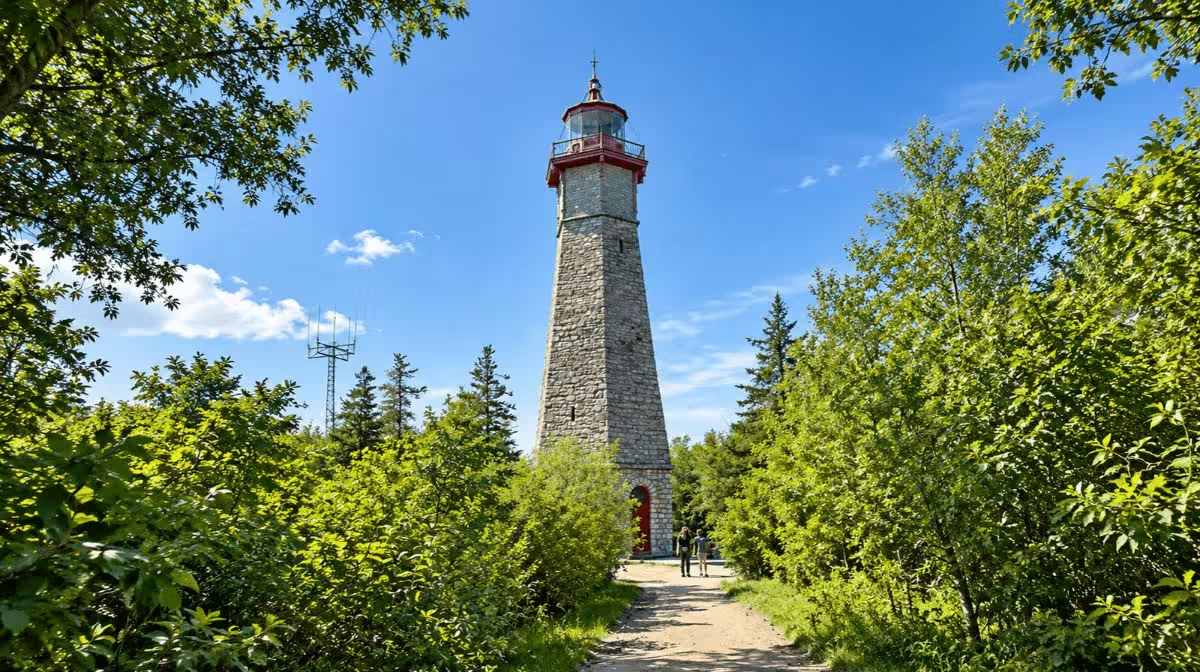
Hanlan’s Point is also home to the Gibraltar Point Lighthouse, built in 1808–09 and the oldest surviving lighthouse on the Great Lakes, and to a clothing-optional beach that was the site of Canada’s first Gay Pride gathering. It’s the quietest and least developed of the three main landing points — worth the walk if you want the islands without the crowds.
Things to Do
Beyond the three landing points, the islands function as one connected park — bridges link Ward’s Island, Centre Island, and the smaller islands between them, so it’s entirely possible to walk or bike from one end to the other in a single visit. Beyond the beaches and Centreville, there’s a disc golf course threaded through the park, and canoes, kayaks, paddle boats, and stand-up paddleboards are all available to rent from May through September, mostly from the Boat House near the Centre Island docks.
If you’d rather not figure out bike or kayak logistics yourself, both are bookable as guided experiences:
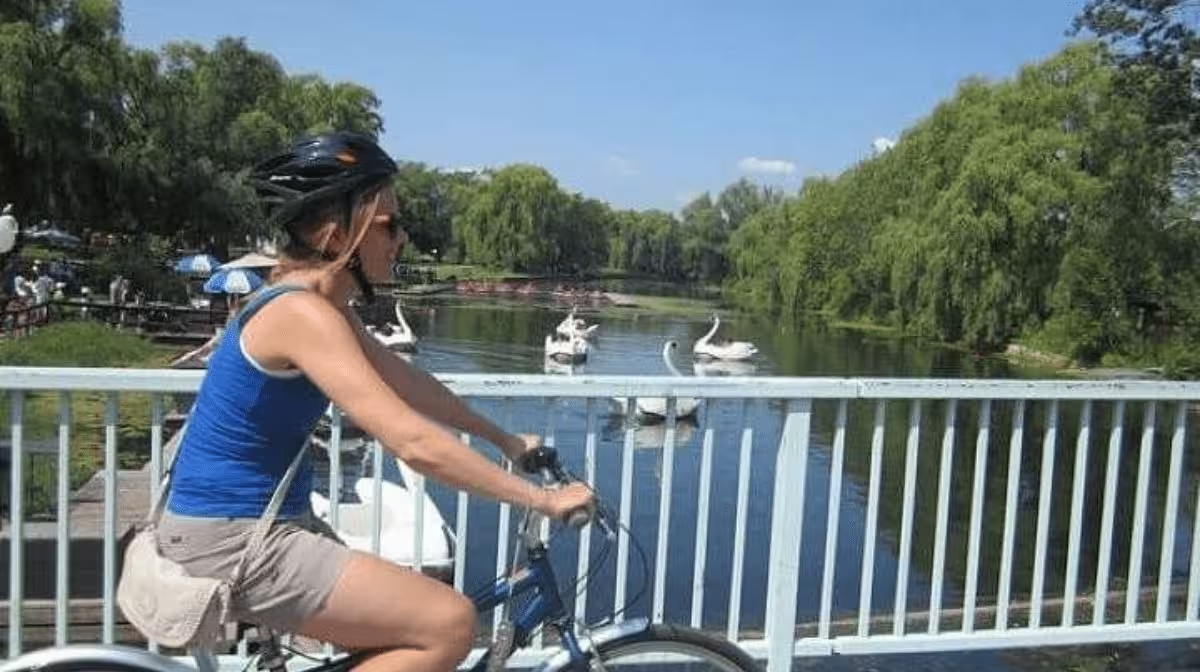
Toronto Islands Morning Bike Tour
A guided ride across the car-free paths connecting Centre Island, Ward’s Island, and the smaller islands between them — a good option if you’d rather have a route planned out than figure it out yourself on a rental bike.
Check Availability on Viator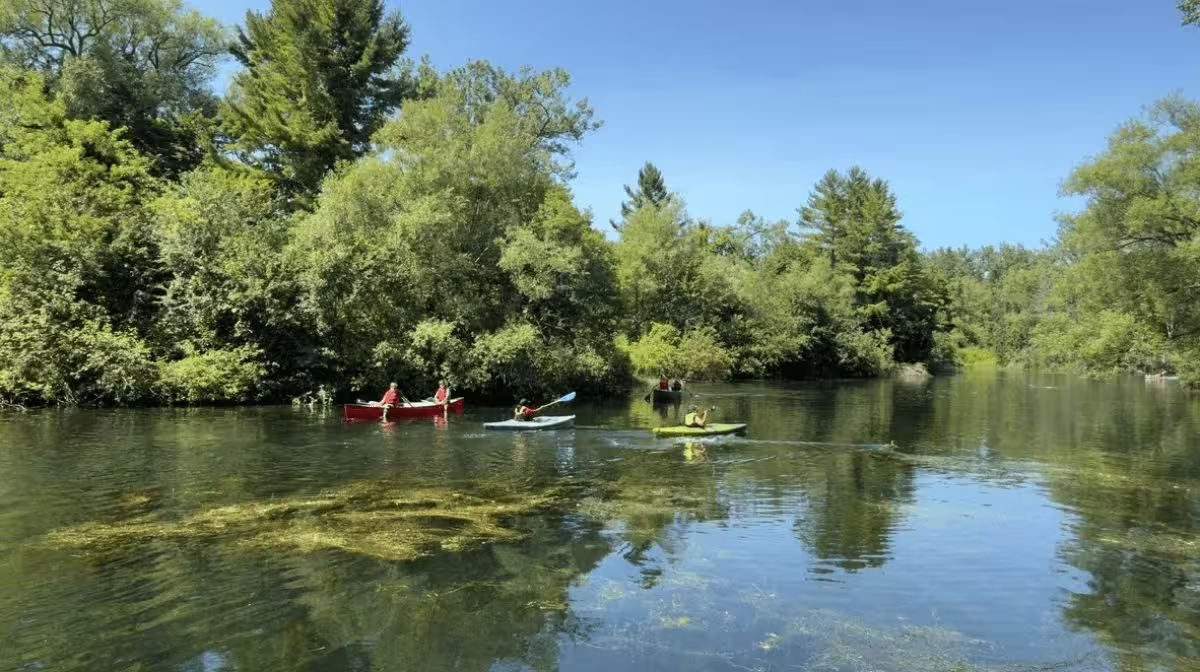
Introductory Kayak Lesson on Toronto Islands
A beginner-friendly lesson on the calm, sheltered water around the islands — a genuinely good way to see the skyline from an angle almost nobody else bothers with.
Check Availability on ViatorWe took the ferry from the Jack Layton Ferry Terminal out to Centre Island on a hot July afternoon, and it was busier than we expected — plenty of locals towing carts loaded with coolers and even full BBQ setups for a day on the island. Once there, we rented a family quad bike (four seats) and spent a couple of hours cycling the car-free paths, with our teenager taking charge of steering through the busier stretches. The islands themselves are genuinely lovely — beaches, quiet lagoons, and a skyline view back toward downtown that’s hard to get anywhere else. It was also, we realized afterward, a fitting warm-up for the evening: we went straight from the islands to a Blue Jays game at Rogers Centre, not far, it turns out, from where professional baseball’s most famous home run was hit a little over a century earlier — see the full day in our Toronto Weekend Itinerary.
Tip: check the return ferry schedule before you get too comfortable. We ended up waiting a long time to get back — on a busy day the lines for the return ferry can be substantial, and it’s worth knowing that private water taxis run between the islands and the mainland too, for an extra fee, if the ferry queue looks brutal.
Getting There
Ferries leave from the Jack Layton Ferry Terminal at the foot of Bay Street, with three separate routes to Centre Island, Ward’s Island, and Hanlan’s Point — each crossing takes roughly 10 to 15 minutes. Ferries run year-round, about every 20 minutes at busy times, less frequently in winter; privately operated water taxis run from May to September as a paid alternative if the ferry queue is long. Bicycles can be brought on board at no charge outside the busiest summer weekends, and bikes can also be rented on Centre Island and Ward’s Island directly.
| Route | Best For |
|---|---|
| Centre Island | Centreville Amusement Park, the main beach, bike rentals |
| Ward’s Island | A quieter, residential feel and the Rectory Café |
| Hanlan’s Point | The lighthouse, the clothing-optional beach, and the Babe Ruth history |
Where to Stay
The islands themselves are day-trip territory — there’s no visitor accommodation on them — so the ferry terminal at the foot of Bay Street is the real anchor point. Downtown or the Harbourfront keeps you a short walk or streetcar ride from the terminal, and puts you close to everything else covered in our Toronto travel guide as well.
Frequently Asked Questions
How long should I budget for the Toronto Islands, including the ferry?
A half day comfortably, but build in slack for the return ferry — on a busy day the line back to the mainland can be long. A private water taxi is a paid alternative worth knowing about.
Are the Toronto Islands good for kids?
Yes — Centreville Amusement Park on Centre Island and Far Enough Farm next to it are both built specifically for younger children.
Can you bring a car to the Toronto Islands?
No — they’re the largest urban car-free community in North America. Ferries, water taxis, walking, and bikes are the only ways around.
Which island should I visit if I only have time for one?
Centre Island for the amusement park and the busiest beach; Ward’s Island if you’d rather have a quieter, more residential afternoon.
Is it true Babe Ruth played baseball on the Toronto Islands?
Yes — he hit the first home run of his professional career at Hanlan’s Point in 1914, while playing for the Providence Grays against the Toronto Maple Leafs.
When’s the best time of year to visit the Toronto Islands?
Late spring through early fall, roughly May to September — that’s when Centreville, the bike and boat rentals, and the water taxis are all running. Ferries operate year-round, but most of the on-island amenities are seasonal.
Do I need to book the bike tour or kayak lesson in advance?
It’s not required, but booking ahead — especially on summer weekends — guarantees a spot rather than showing up and hoping.
Route & Stay is reader-supported. Some of the links on this page are affiliate links, and we may earn a small commission if you book through them, at no extra cost to you. Ferry, amusement park, and tour prices were accurate at the time of writing but can change — always confirm current schedules and availability before your visit.