 Skip to content
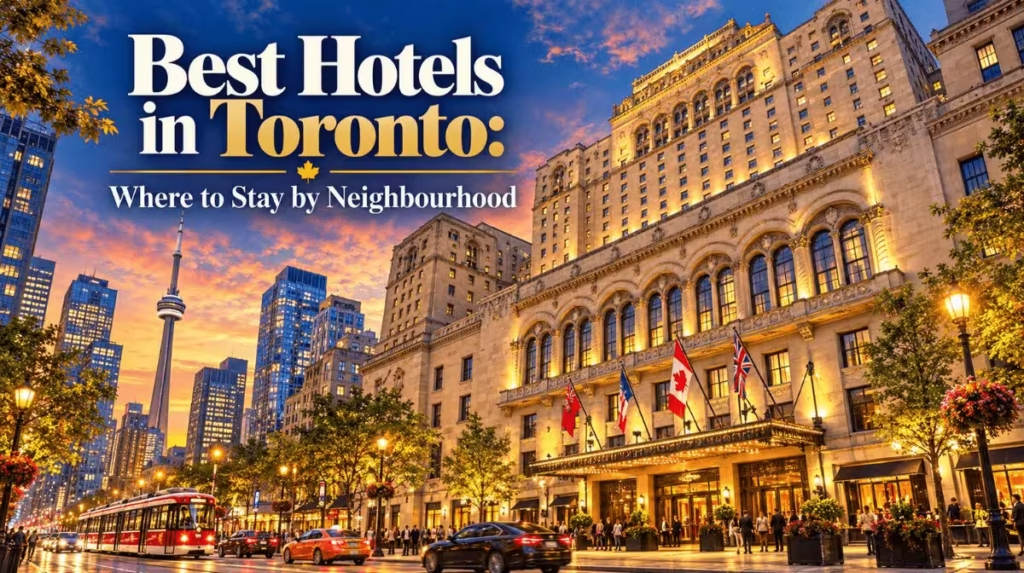
Where to stay in Toronto comes down to one trade-off more than any other: how much walking you want to do versus how much quiet you want at night. This guide to the best hotels in Toronto breaks the city into four bases — Downtown/Financial District, the Harbourfront, Yorkville, and King West — plus a closer look at the Fairmont Royal York, the grand old railway hotel we stayed in ourselves. This is part of our full Toronto travel guide.
Jump to a section
Best Hotels in Toronto by Neighbourhood
Four areas cover nearly every visitor’s needs: Downtown and the Financial District for landmark sights, the Harbourfront for water views and island access, Yorkville for luxury and shopping, and King West for restaurants and nightlife. Each is detailed below, with a closer look at the Royal York — the grand railway hotel we stayed in ourselves — further down the page.
Downtown & the Financial District
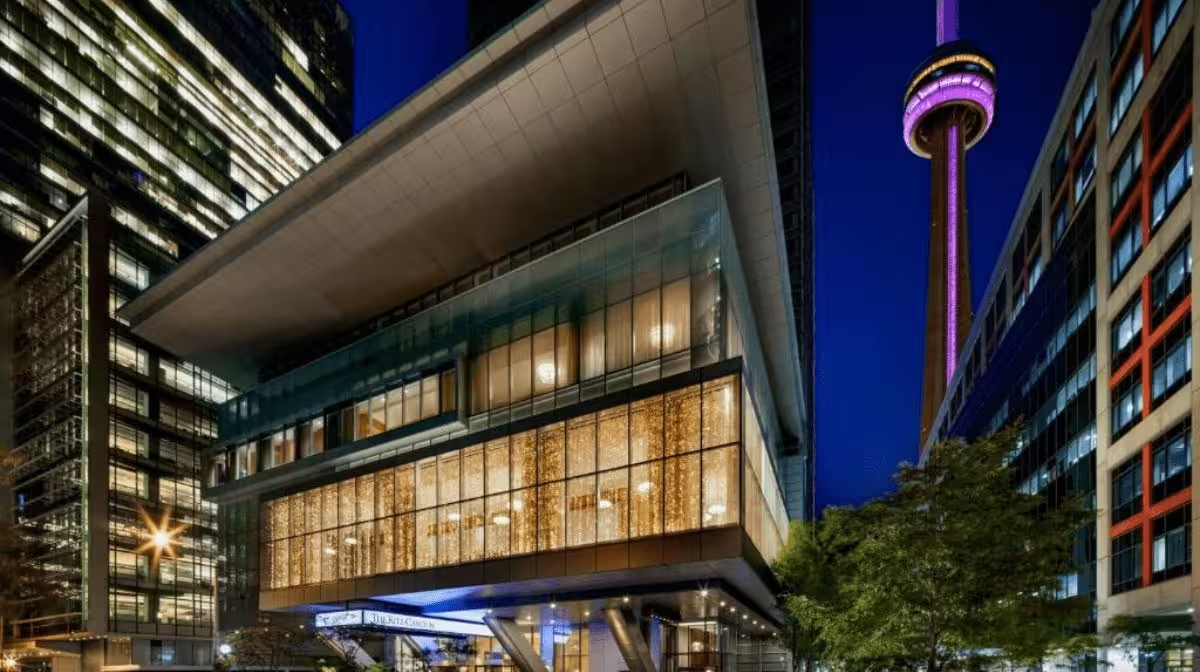
This is the default answer for a reason. Downtown and the adjoining Financial District put you inside Toronto’s underground PATH network, within walking distance of Union Station, the CN Tower, Rogers Centre, and the Financial District’s cluster of towers, and close enough to everything else that a car becomes optional rather than necessary. It’s also where the city’s grand old hotels sit, the Royal York chief among them, alongside a growing stack of newer business-oriented properties — the historic Omni King Edward Hotel, the Ritz-Carlton Toronto, and the Shangri-La Toronto are all worth a look here. The trade-off is that it empties out somewhat on weekends and can feel corporate after dark outside of event nights.
The Harbourfront
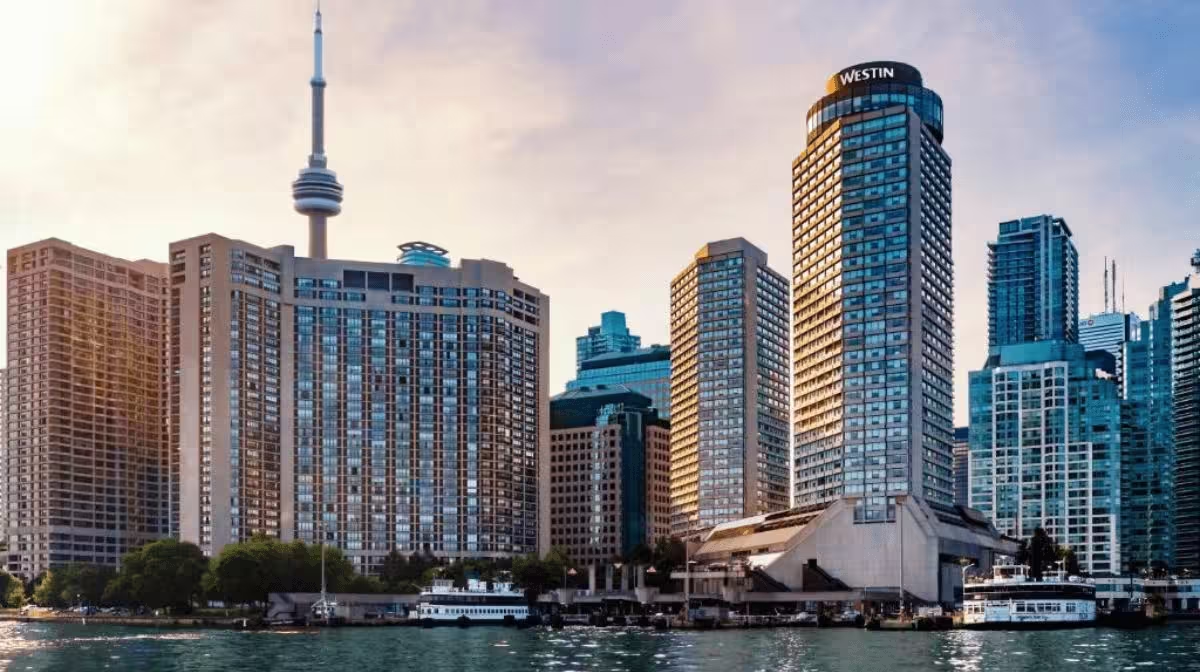
A few blocks south of downtown proper, the Harbourfront trades some walkability for water views and direct access to the Toronto Islands ferry terminal — a real advantage if a ferry crossing or a day on the islands is part of the plan. It’s home to some of the city’s newest hotel towers, most with lake-facing rooms — the Westin Harbour Castle, the Radisson Blu Admiral Hotel Toronto-Harbourfront, and the Toronto Marriott City Centre are the names to know — and it connects back to downtown easily on foot or via the PATH. It’s quieter in the evenings than the Financial District, which some visitors prefer and others find a little dead once the harbour cruises stop running for the day.
Yorkville
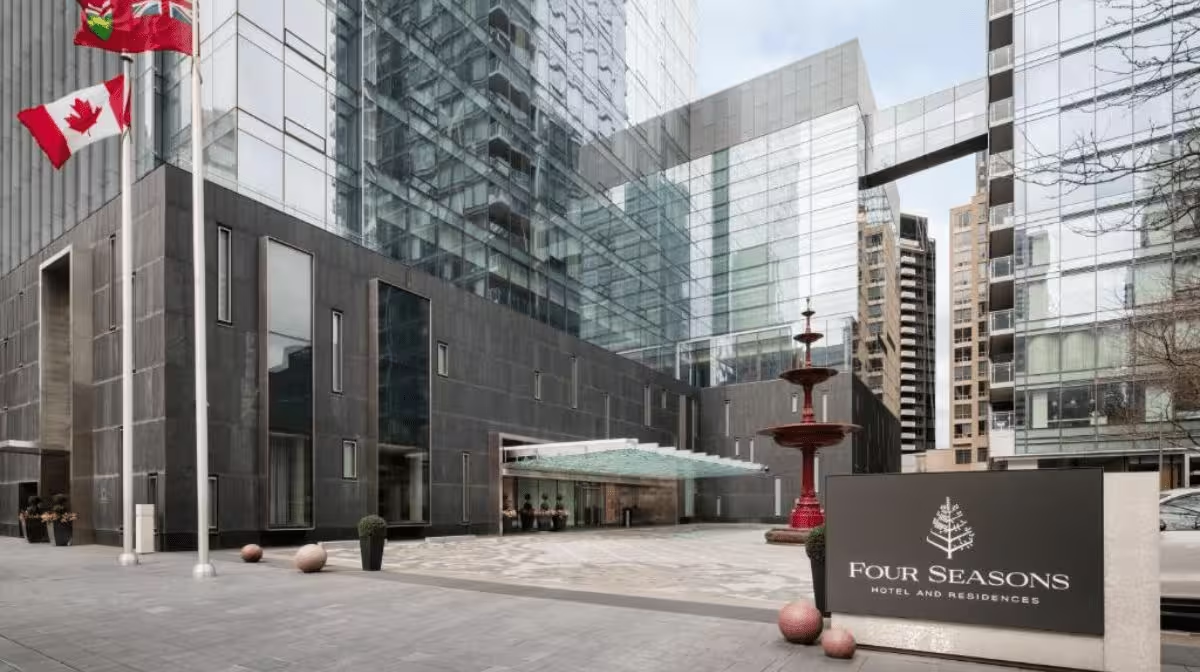
Once Toronto’s hippie enclave — the Riverboat coffeehouse where a young Joni Mitchell and Neil Young played is gone, but the neighbourhood’s bohemian-turned-upscale arc is covered in more depth in our Toronto Neighbourhoods Guide — Yorkville today is the city’s luxury shopping and boutique-hotel district, nicknamed the “Mink Mile” for its concentration of designer stores. It sits a short walk from the Royal Ontario Museum and puts you in a genuinely upscale, low-key residential-feeling part of the city, at a price point to match — the Four Seasons Hotel Toronto, the Park Hyatt Toronto, and the Hazelton Hotel are the neighbourhood’s marquee names. It’s less central for downtown’s landmark sights but excellent if the trip leans toward shopping, quiet streets, and higher-end dining.
King West
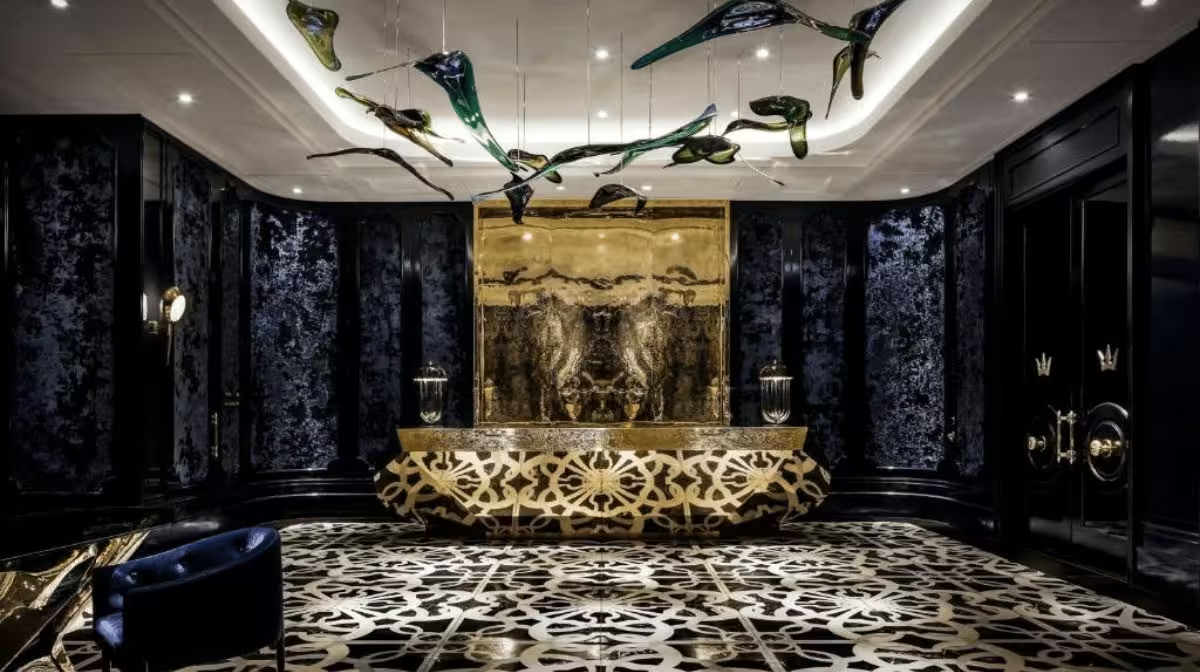
King West is where Toronto’s restaurant and nightlife scene concentrates — a strip of converted warehouses, rooftop patios, and a younger, later-hours crowd than downtown proper. It’s well served by streetcars into the core and puts you close to the Fashion District and the western edge of the Entertainment District — the Thompson Toronto and the Bisha Hotel (technically just at its eastern edge, on Blue Jays Way) both lean into the neighbourhood’s style-forward reputation. It’s the right base for visitors who want their hotel to be part of the evening’s plan rather than just a place to sleep, and the wrong one for anyone prioritizing a quiet night.
| Neighbourhood | Best For | Trade-off |
|---|---|---|
| Downtown / Financial District | Landmark sights, PATH access, first-time visitors | Quiet, corporate-feeling on weekends |
| Harbourfront | Water views, Toronto Islands ferry access | Quiet evenings, fewer late-night options |
| Yorkville | Luxury shopping, upscale dining, ROM proximity | Higher price point, less central for landmarks |
| King West | Restaurants, nightlife, a younger crowd | Noise, less ideal for an early night |
Featured Stay: The Fairmont Royal York
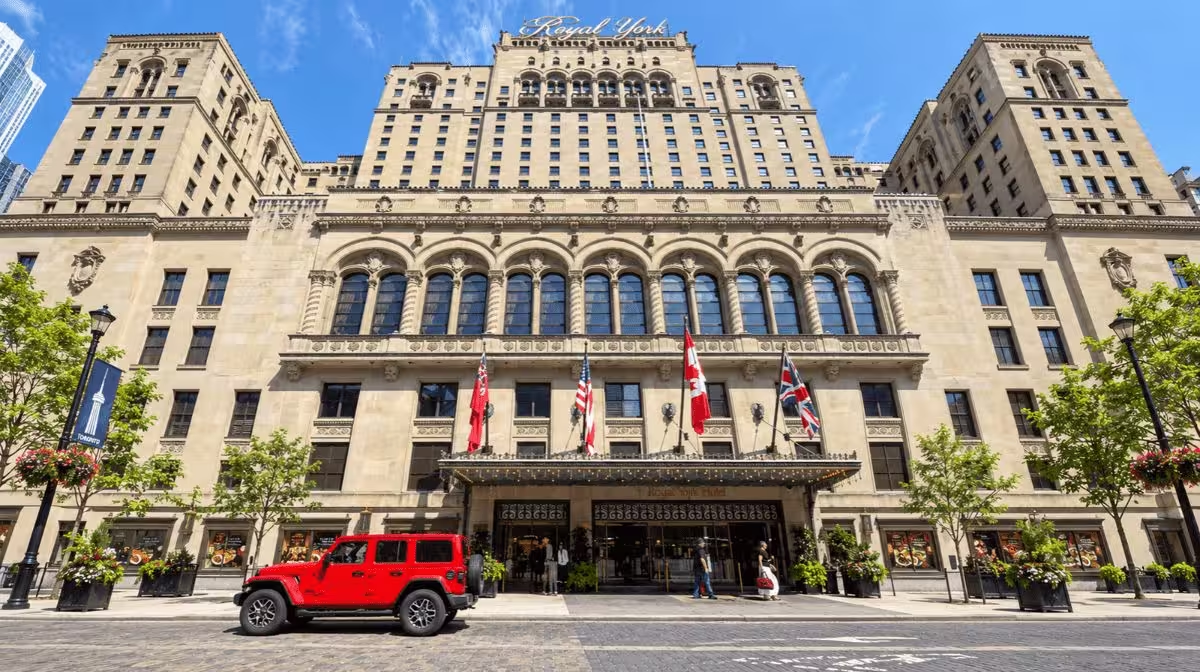
If one hotel defines Toronto’s downtown skyline, it’s the Royal York. The Canadian Pacific Railway built it directly across from Union Station and opened it on June 11, 1929, at a cost of $16 million — a staggering sum for the era. Designed by Ross and Macdonald with Sproatt and Rolph in a Châteauesque style, its Indiana limestone exterior wraps a 28-storey steel frame that stood 124 metres tall, briefly making it the tallest building in the British Empire until the Canadian Bank of Commerce Tower overtook it the following year. It opened with 1,048 guest rooms and a ball attended by more than 2,300 people; by 2014, renovations had expanded it to 1,363 rooms.
The hotel has quietly witnessed a surprising amount of Toronto history. King George VI and Queen Elizabeth stayed here during the 1939 royal tour, and a young Princess Elizabeth — the future Queen Elizabeth II — first stayed in 1951 with the Duke of Edinburgh. In 1949, after the SS Noronic cruise ship fire killed over 100 people at a nearby pier, the Royal York’s lobby was turned into a temporary field hospital and morgue for the victims. A $100-million restoration ran from 1988 to 1993, and the hotel has kept updating steadily since, all while keeping its original Art Deco lobby and Imperial Room ballroom intact.
We stayed here ourselves during our own Toronto trip, and it earns its reputation — a genuinely grand, old-world lobby that still functions as a proper working hotel rather than a museum piece, and a location you cannot beat for walking to the CN Tower, Union Station, or a Blue Jays game at Rogers Centre.
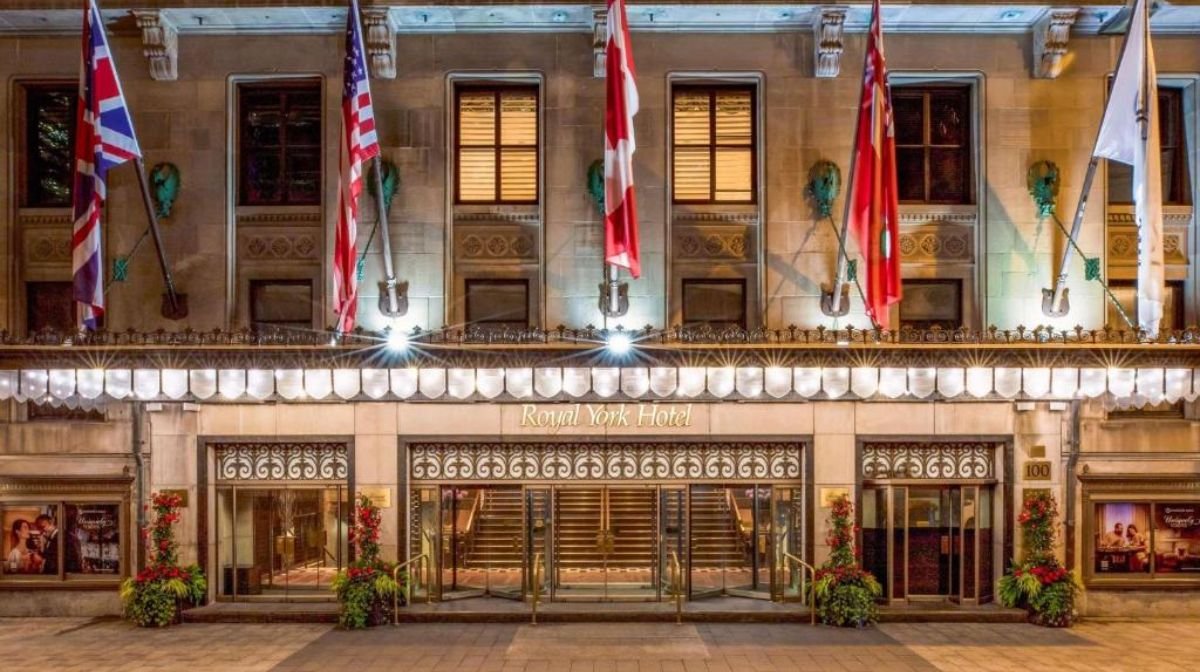
Fairmont Royal York, Toronto
Toronto’s grand railway hotel, directly across from Union Station — a genuine piece of the city’s history and one of the best-located hotels in the downtown core.
Check AvailabilityFind & Book a Hotel
For the full range of options across all four neighbourhoods above — from budget-friendly downtown picks to Yorkville’s boutique properties — the map below pulls in live availability and pricing so you can compare by location before booking. Whichever of the best hotels in Toronto you choose, book downtown or in the Harbourfront if landmark sights are the priority, and Yorkville or King West if shopping or nightlife matter more.
Frequently Asked Questions
Where should I stay for a first visit to Toronto?
Downtown or the Financial District — it puts you within walking distance of the CN Tower, Rogers Centre, Union Station, and the PATH underground network, with no need to rely on a car.
Is the Fairmont Royal York worth staying at?
Yes, for the location and history alone — it sits directly across from Union Station, opened in 1929 as briefly the tallest building in the British Empire, and has hosted two generations of British royalty.
Which Toronto neighbourhood is best for nightlife?
King West, with its concentration of restaurants, bars, and rooftop patios and a younger late-hours crowd.
Where should I stay for shopping in Toronto?
Yorkville, nicknamed the “Mink Mile” for its density of designer stores, also puts you close to the Royal Ontario Museum.
Do I need a car if I stay downtown in Toronto?
No. Downtown, the Financial District, the Harbourfront, and Yorkville are all walkable to each other and well served by the TTC streetcar and subway network.
Route & Stay is reader-supported. Some of the links on this page are affiliate links, and we may earn a small commission if you book through them, at no extra cost to you. Rates and availability change constantly — always confirm current pricing before booking.