Rome doesn’t reward a rushed itinerary. Between the Colosseum, the Vatican, and a historic center where nearly every street corner hides another fountain or ruin, the best things to do in Rome are best tackled with a plan — not a list.
In fact, the Eternal City has been drawing travellers for over two thousand years, and the sights that made it famous — the Colosseum, St. Peter’s Basilica, the Pantheon — still anchor almost every visit today. As a result, the trick isn’t finding things to do in Rome; it’s knowing which of them are worth timed-entry tickets and an early alarm, and which are just as good wandered into on foot.
Why it matters: Rome’s biggest sights (Colosseum, Vatican, Borghese Gallery) now run on timed entry only — no more walking up and buying a ticket at the door. Planning the order of your day around opening times and booking windows makes the difference between seeing everything comfortably and losing hours in line.
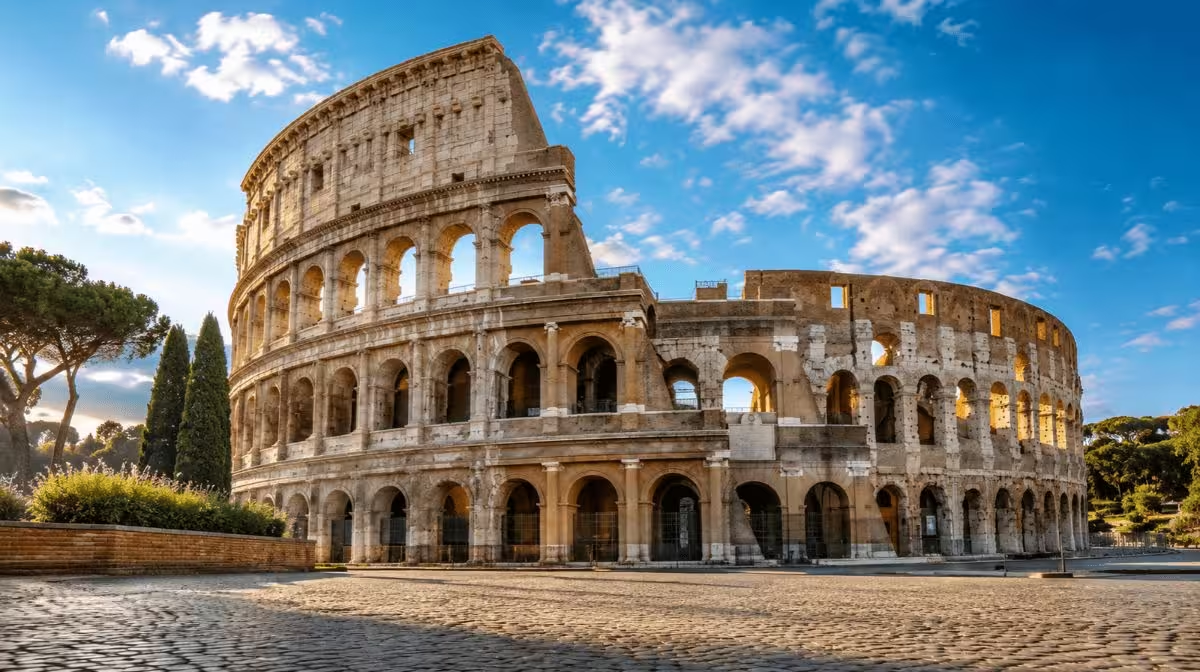
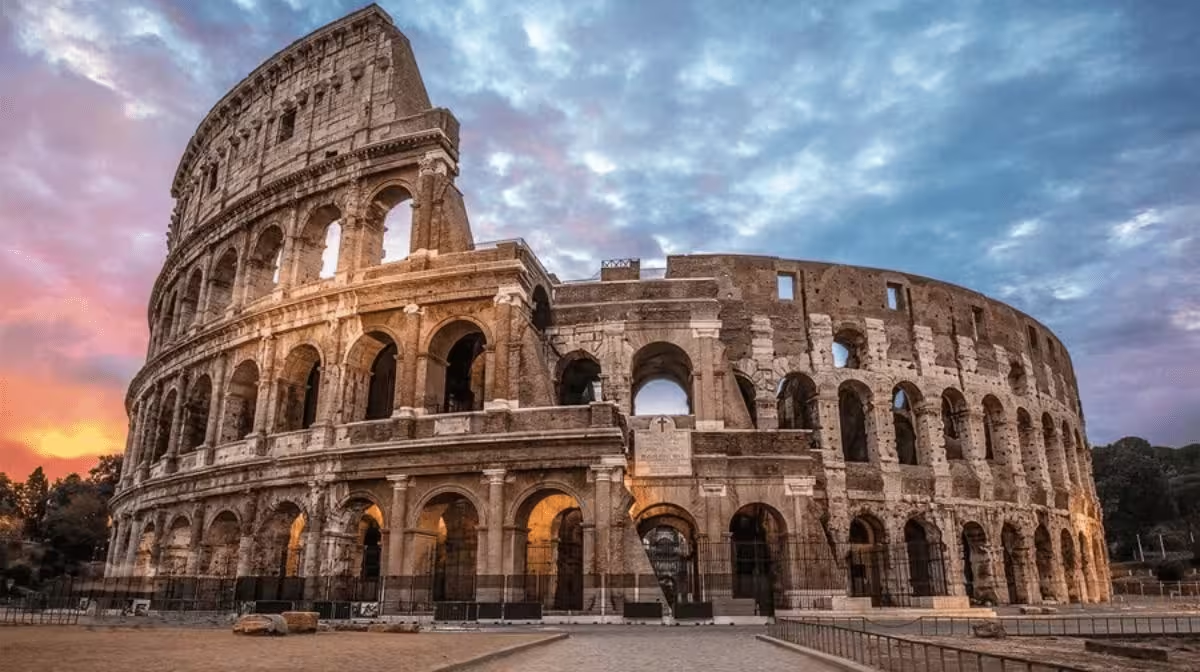
If you only do one thing in Rome, make it this. Step inside Rome’s iconic amphitheatre, then wander through the Roman Forum and Palatine Hill — the beating heart of ancient Rome, and the one stop that justifies the whole trip on its own.
Best time: Early morning. Book skip-the-line or timed-entry tickets in advance to beat the queues — same-day walk-up tickets are unreliable in peak season.
Beyond the Colosseum, these four are the sights worth building your Rome days around.
Museum & Basilica · Timed Entry
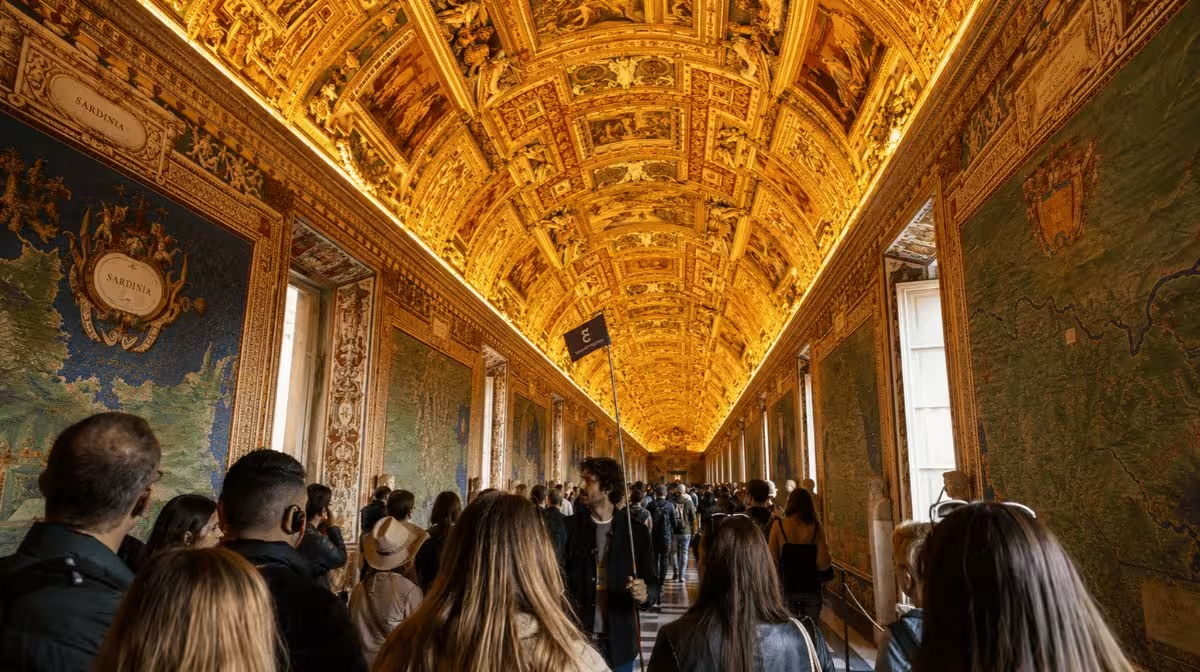
Vatican Museums & St. Peter’s
See the Sistine Chapel, the Museums’ galleries, and the sheer scale of St. Peter’s Basilica. Indeed, this is Rome’s other unmissable half-day, and like the Colosseum, it’s now timed-entry only.
Good to know: Allow 3–5 hours. The nearest metro stop, Ottaviano–San Pietro, is a 5–10 minute walk from St. Peter’s Square.
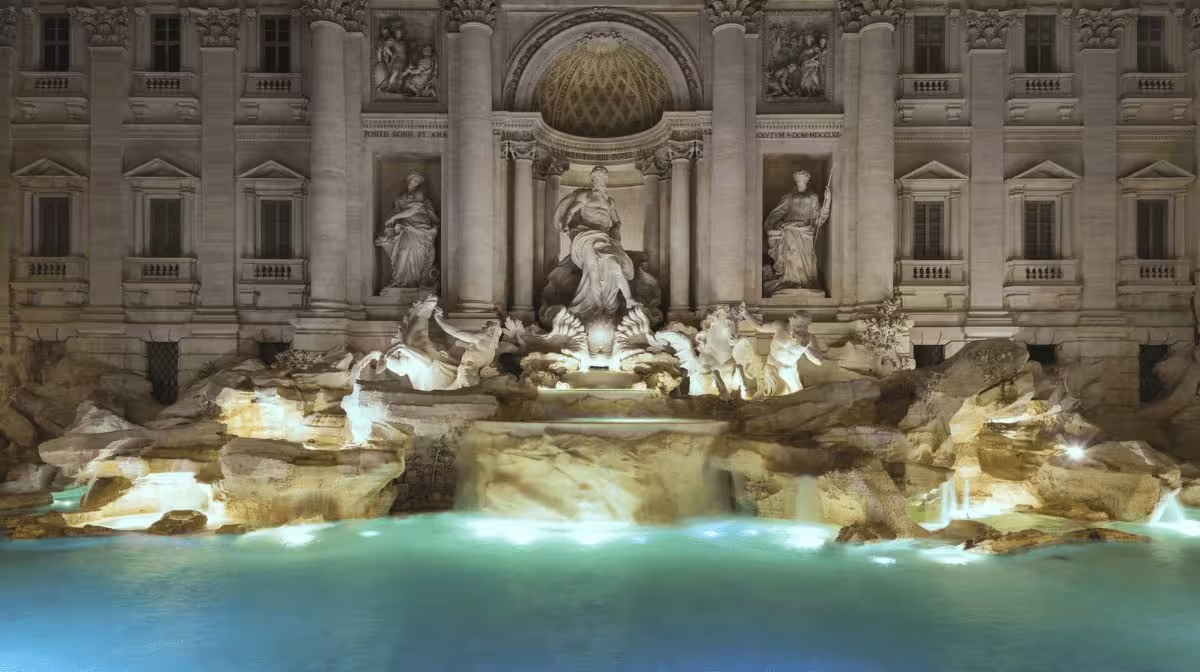
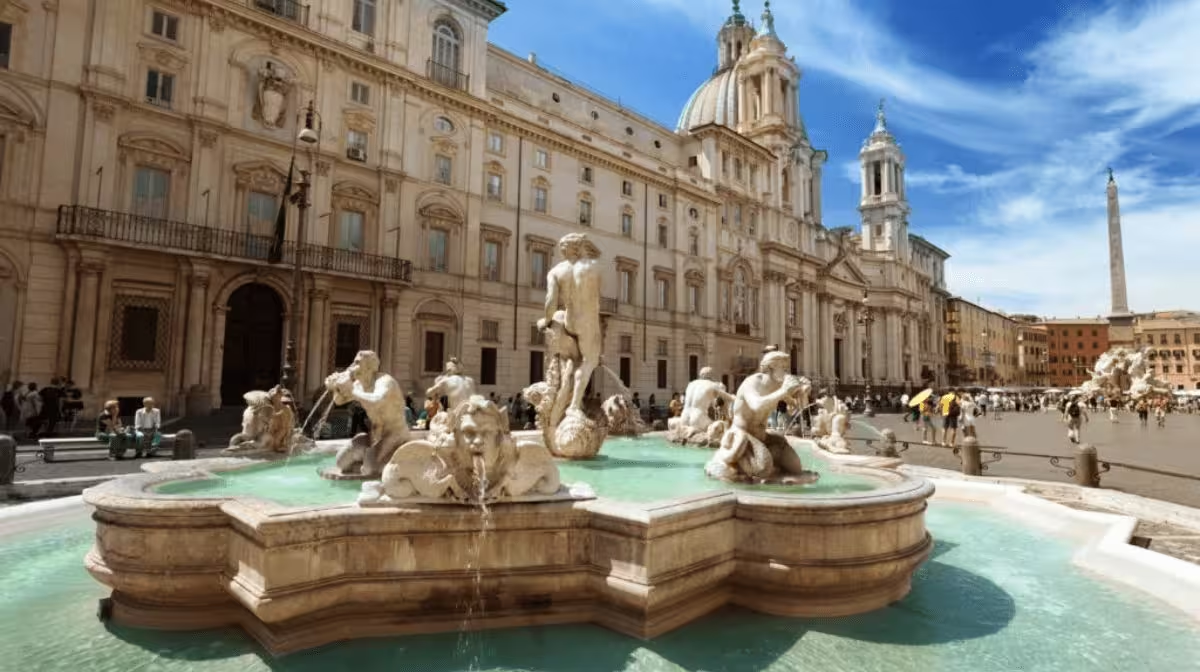
Toss a coin in Trevi, then wander to the Pantheon and the historic lanes around it. Together they make an easy, mostly-on-foot loop through the historic center.
Good to know: Trevi Fountain is free. The Pantheon now charges an entrance fee (around €7) — it hasn’t been free since 2023.
Baroque fountains, lively cafés, and one of the city’s best square-to-square walks. Campo de’ Fiori runs a lively morning market and shifts to bars and restaurants by evening.
Gallery & Gardens · Timed Entry
Borghese Gallery & Gardens
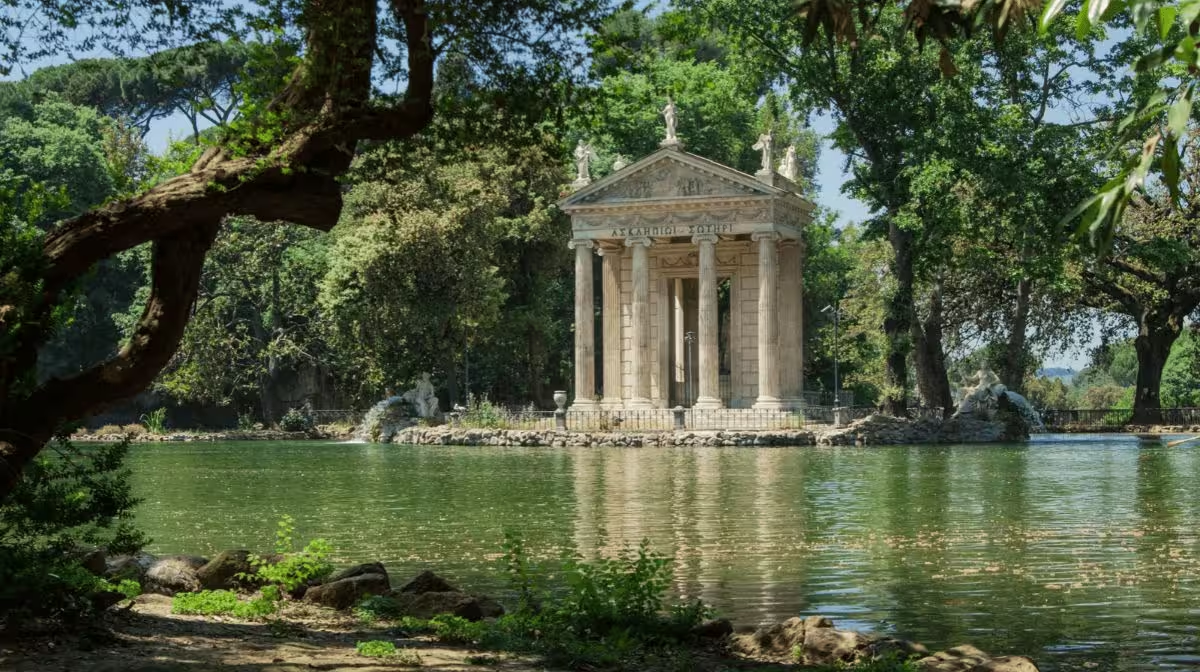
Masterpieces by Bernini and Caravaggio inside, elegant parkland outside — a relaxed way to spend an afternoon after two days of ruins and crowds.
Good to know: Entry is timed in 2-hour slots and must be booked ahead — it regularly sells out days in advance.
Cross the Tiber for ivy-draped lanes, glowing piazzas and aperitivo bars — one of Rome’s most atmospheric neighbourhoods after sunset. Best visited in the evening.
Ancient Road & Catacombs
Appian Way & Catacombs
One of Rome’s oldest roads, lined with ancient tombs and underground catacombs — a quieter, greener side of the city.
Day Trip
Tivoli or Ostia Antica
Villa d’Este’s gardens and fountains, or the well-preserved ancient port ruins of Ostia Antica — both easy half-day trips from central Rome.
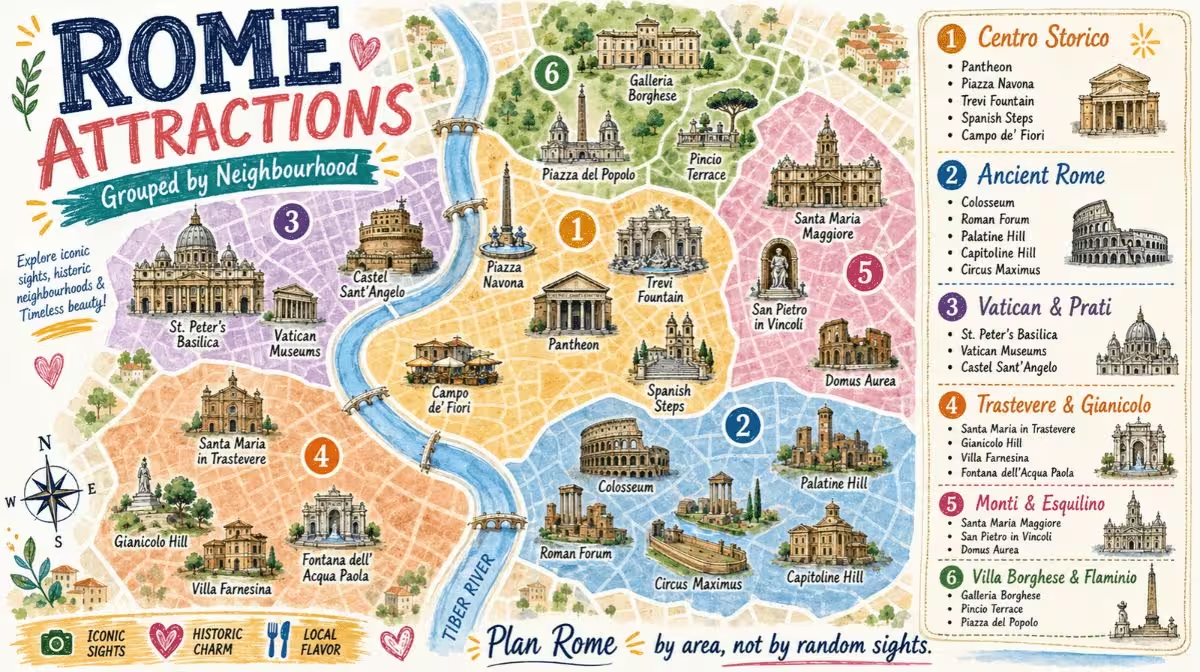
Rome is very walkable, and the historic center rewards it — but for longer hops, here’s what actually connects.
Stay central if you can. Metro Lines A and B connect Ottaviano–San Pietro (a 5–10 minute walk from the Vatican), Termini, Spagna (Spanish Steps) and Colosseo. Trastevere isn’t on the metro — use tram 8 or walk in from the city center.
Where to Stay in Rome
Staying central cuts down on transit time significantly — here’s a live look at what’s available across the city’s best neighbourhoods.
Colosseum at golden hour from Via di San Gregorio, or the Vatican dome view from Castel Sant’Angelo.
Final tips: Book Colosseum & Vatican tickets several days ahead. Wear comfortable shoes — Rome’s cobblestones are unforgiving. Many churches close for riposo in the early afternoon. Best months to visit: April–June and September–October.
Planning the rest of your Rome trip?
See tickets, itineraries and neighbourhood guides for the whole city in one place.
Frequently Asked Questions About Things to Do in Rome
How many days do you need in Rome?
Two full days covers the essentials (Colosseum/Forum, Vatican, and the historic center on foot); three to four lets you add Borghese Gallery, Trastevere, and a day trip.
Do I need to book Colosseum and Vatican tickets in advance?
Yes — both now run on timed entry, and same-day walk-up tickets are unreliable in peak season. Book several days ahead where possible.
Is the Pantheon free to visit?
No — standard entry costs around €7. Trevi Fountain nearby remains free to visit.
What’s the best way to get around Rome?
Walking covers most of the historic center. For longer hops, Metro Lines A and B connect the Vatican area (via Ottaviano–San Pietro), Termini, the Spanish Steps and the Colosseum; tram 8 reaches Trastevere.
Also in Rome
Colosseum Tickets 2026 Skip the line and save time — the best ticket options and time slots to book.
Vatican Tickets 2026 Honest pick-your-type guide to every ticket option — and when to skip the pricey tour.
To provide the best experiences, we use technologies like cookies to store and/or access device information. Consenting to these technologies will allow us to process data such as browsing behavior or unique IDs on this site. Not consenting or withdrawing consent, may adversely affect certain features and functions.
Functional
Always active
The technical storage or access is strictly necessary for the legitimate purpose of enabling the use of a specific service explicitly requested by the subscriber or user, or for the sole purpose of carrying out the transmission of a communication over an electronic communications network.
Preferences
The technical storage or access is necessary for the legitimate purpose of storing preferences that are not requested by the subscriber or user.
Statistics
The technical storage or access that is used exclusively for statistical purposes.The technical storage or access that is used exclusively for anonymous statistical purposes. Without a subpoena, voluntary compliance on the part of your Internet Service Provider, or additional records from a third party, information stored or retrieved for this purpose alone cannot usually be used to identify you.
Marketing
The technical storage or access is required to create user profiles to send advertising, or to track the user on a website or across several websites for similar marketing purposes.
 Skip to content