 Skip to content
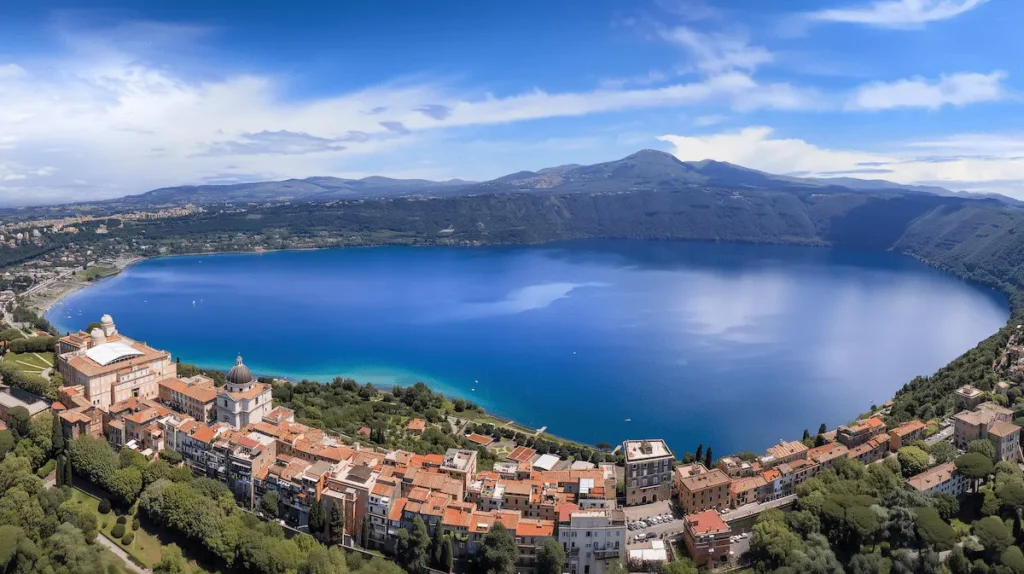
You’ve already secured your Colosseum tickets, tossed a coin in the Trevi Fountain, and navigated the crowds at the Vatican Museums. But here’s the truth most Rome guides won’t tell you: sometimes, Rome is just a lot. It’s loud, it’s crowded, and at the peak of 2026 it can feel like you’re sharing the city with the whole world. When you need to breathe, you do what the Romans have done for centuries — you head for the Castelli Romani towns.
Where Exactly Are the Castelli Romani Towns?
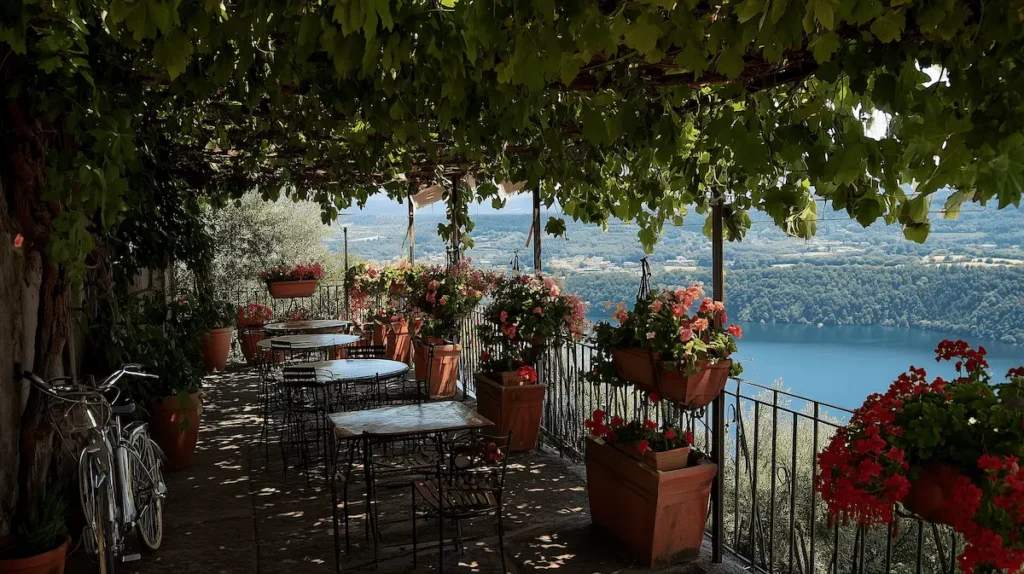
Despite the name, there isn’t just one “castle.” The Castelli Romani is a cluster of 16 ancient villages perched in the volcanic Alban Hills (Colli Albani).
Located just 20–30km (roughly 15–20 miles) southeast of Rome, these towns sit on the rim of extinct volcanic craters. This unique geography gives you:
- The views: dramatic cliffs overlooking two deep blue volcanic lakes, Albano and Nemi.
- The climate: often 4–5°C cooler than the city centre — a lifesaver in summer.
- The soil: rich volcanic earth that produces some of Italy’s most famous white wines.
This isn’t a museum trip; it’s about la dolce vita. The food is still traditional, the air is fresh, and the wine is cheaper than water.
Castelli Romani: At a Glance (2026)
Table of Contents
The Castelli Romani Towns: Which One Is Your Vibe?
While there are 16 towns in the region, first-time visitors should focus on the “Golden Triangle”: Frascati, Castel Gandolfo, and Nemi. Each offers a completely different atmosphere.
Frascati
Lively, local, and built for a slow lunch over a jug of white wine.
Papal historyCastel Gandolfo
Serene lake views and the Pope’s summer gardens.
Fairytale & berriesNemi
A quiet, mystical medieval village famous for wild strawberries.
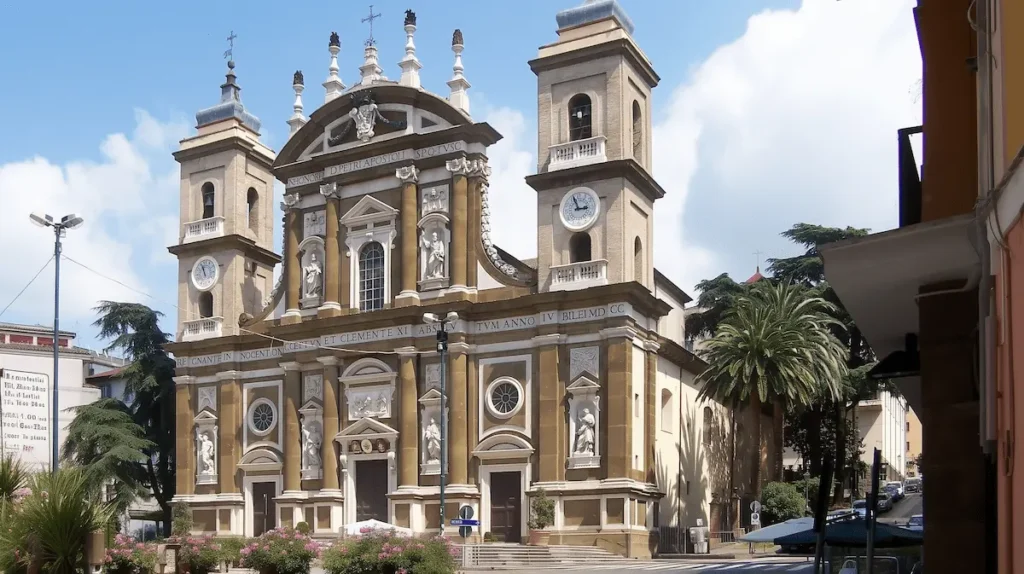
Frascati: Wine, Views, and the Slow Walk
Best for: wine tasting and a lively piazza
Frascati is the undisputed capital of the Castelli Romani. It’s the liveliest of the towns and the easiest to reach by train. As you exit the station, you’re immediately greeted by the towering Villa Aldobrandini, a 16th-century masterpiece that makes you feel like you’ve stepped into a period drama.
- The vibe: sophisticated, bustling, and unpretentiously local.
- What to do: wander the historic centre and find a fraschetta — a small, rustic tavern where you can buy a jug of local white wine and some crusty bread.
- 2026 tip: don’t just stay in the town centre. The best vineyards are a 5-minute drive away, many with “ancient cellar” tours through caves carved out of volcanic rock dating back to Roman times.
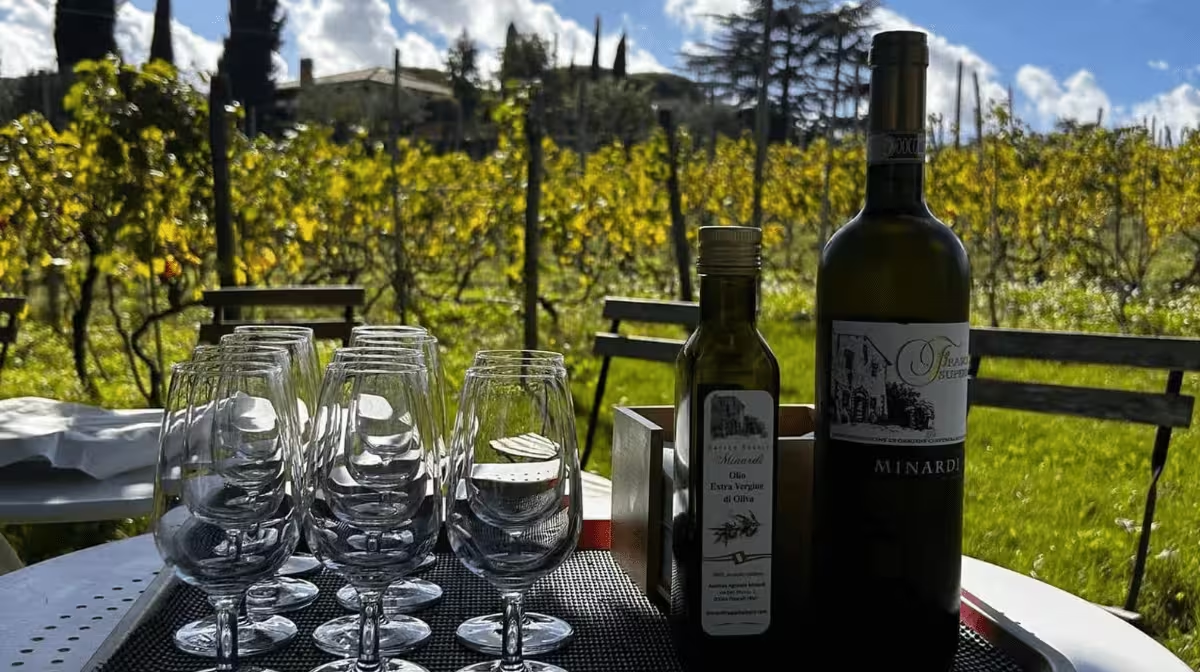
Frascati Wine & Farmhouse Lunch
Best for: a relaxed half-day among the vines
A half-day out to a family-run farmhouse in the Frascati hills — walk the vineyard, tour the historic cellar, and sit down to a traditional local lunch paired with the estate’s own wine.
- Visits a 9th-generation family farmhouse and historic cellar
- Includes a full traditional lunch, not just a tasting
- Small-group format, easy half-day from Rome
Castel Gandolfo: The Pope’s Hidden Oasis
Best for: lake views and Vatican history
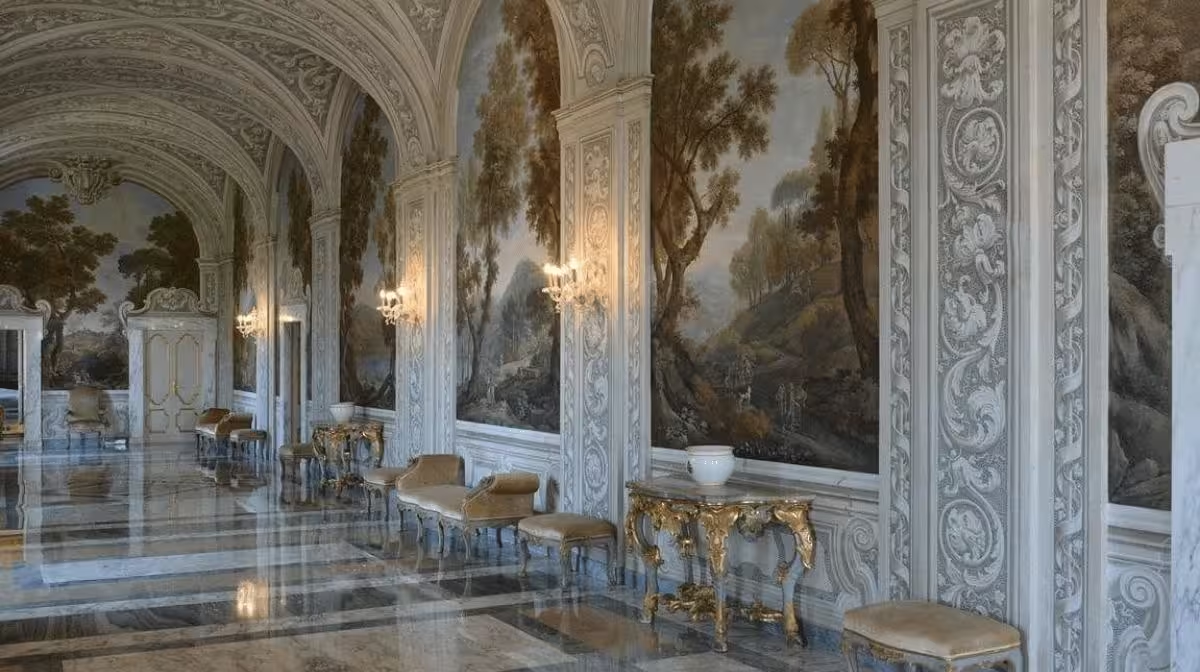
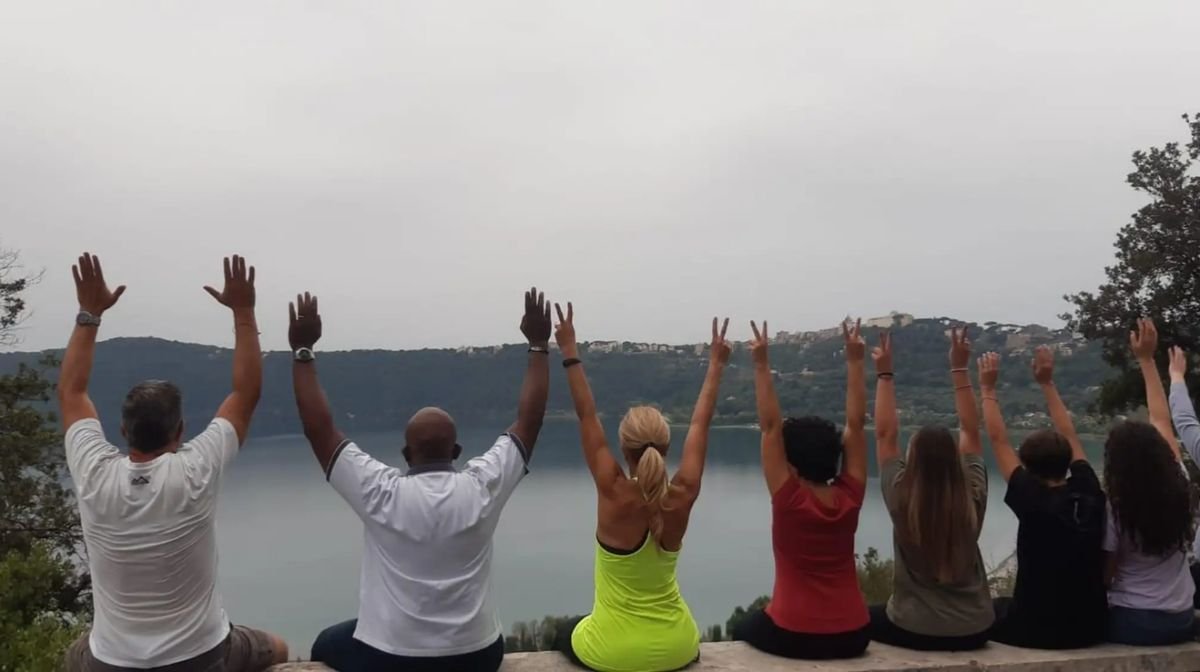
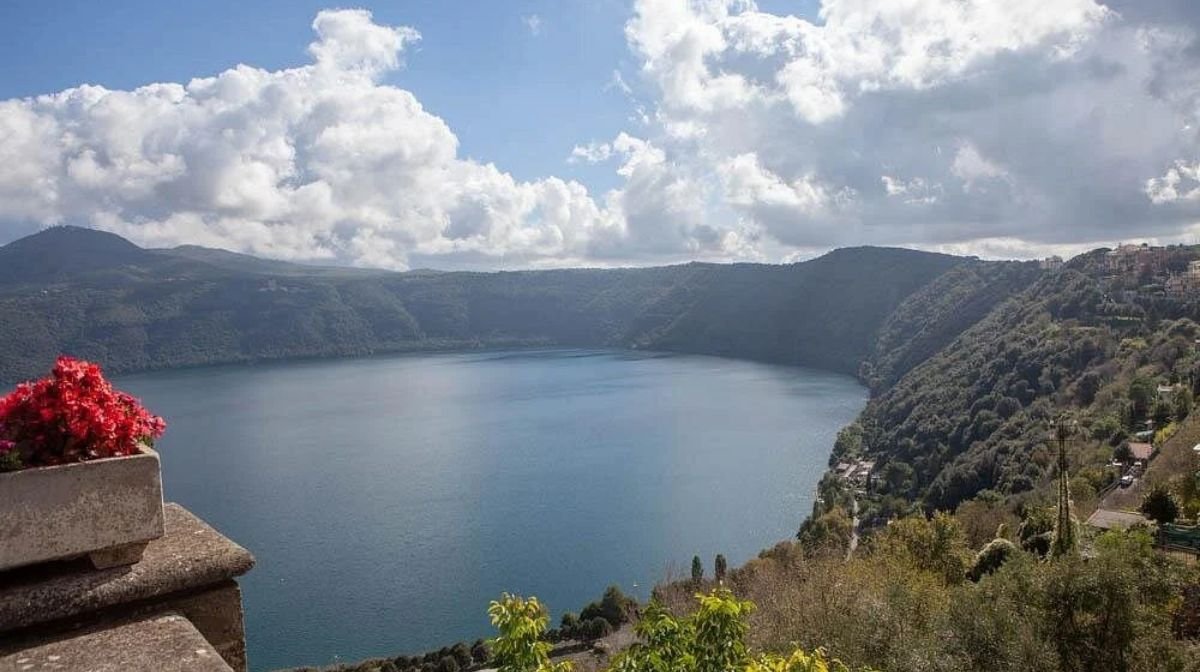
Perched precariously on the rim of an ancient volcanic crater, Castel Gandolfo overlooks the stunning, sapphire-blue Lake Albano. It’s been the summer retreat for popes since the 1600s, but was only recently opened to the public.
- The vibe: serene, regal, and breathtakingly scenic.
- What to do: visit the Apostolic Palace and the Barberini Gardens, a 55-hectare maze of Roman ruins, manicured hedges, and fountains.
- 2026 trend: kayaking on Lake Albano is huge right now — paddle out to see ancient Roman docks only visible from the water.
Papal Apartments & Secret Garden Entry Ticket
Best for: skip-the-line access to the Pope’s summer estate
Reserved entry into the Apostolic Palace and the private Barberini Gardens, with the option of an eco-minibus tour across the 55-hectare estate.
- Skip-the-line entry to the Papal Apartments
- Access to the private “Secret Gardens”
- Train or private-pickup options available
Nemi: The Fairy Tale of the Volcano
Best for: quiet, lakeside romance
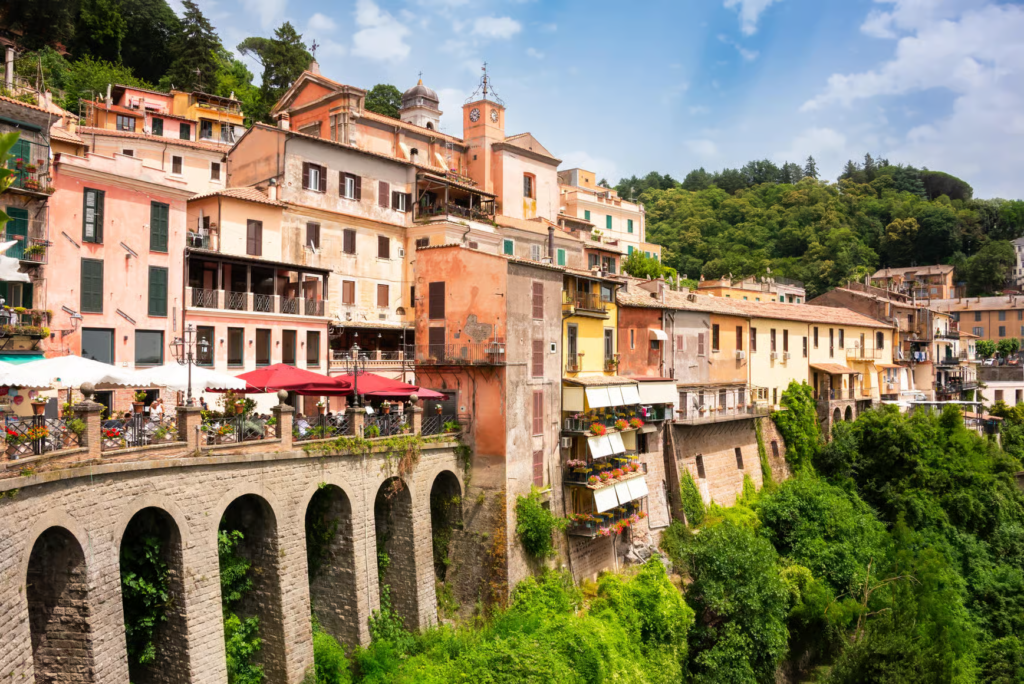
If Frascati is for wine and Castel Gandolfo is for history, Nemi is for romance. This tiny medieval village hangs over the smaller, mystical Lake Nemi, known in antiquity as the “Mirror of Diana.”
- The vibe: fairytale, quiet, and mystical.
- The strawberry obsession: Nemi is famous for fragoline di bosco, tiny wild strawberries found in everything from tarts to gelato to fragolino (strawberry wine).
- Don’t miss: the Museum of Roman Ships (Museo delle Navi Romane), home to the remnants of Caligula’s massive “party ships,” recovered from the bottom of the lake.
Nemi Berry & Boat E-Bike Tour
Best for: an active half-day without the climb
High-quality e-bikes make the climb from the lakeshore effortless, with a stop at the Museum of Roman Ships and a tasting of Nemi’s famous wild strawberry tart.
- Tasting included: tortina alle fragoline and strawberry liqueur
- Visits the site of Caligula’s ancient “floating palaces”
- E-bike option removes the steep crater-road climb
Gastronomy: Why the Castelli Romani Towns Are Rome’s Pantry
If you eat a great meal in Rome, there’s a good chance the wine, the pork, or the vegetables came from these hills. But eating them at the source is a completely different experience. In 2026 the trend is “nonna-stalgia” — a return to hyper-local, ancient recipes you won’t find in Trastevere’s tourist traps.
The Frascati DOCG Wine Guide
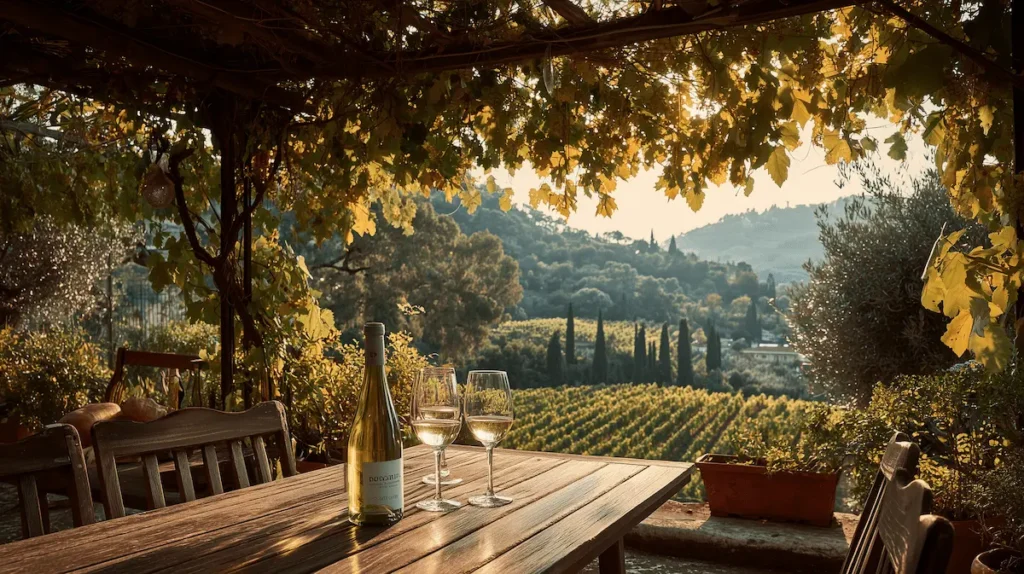
You cannot visit without sipping the local gold. Frascati wine has been produced here since the Roman Empire.
Cannellino di Frascati: a sweet, late-harvest dessert wine. Don’t just drink it — dip a ciambellina al vino (a crunchy wine-based biscuit) into it.
Frascati Superiore DOCG: the high-end stuff. Dry, crisp, with a distinct mineral hit from the volcanic soil.
Porchetta di Ariccia: A Culinary Icon
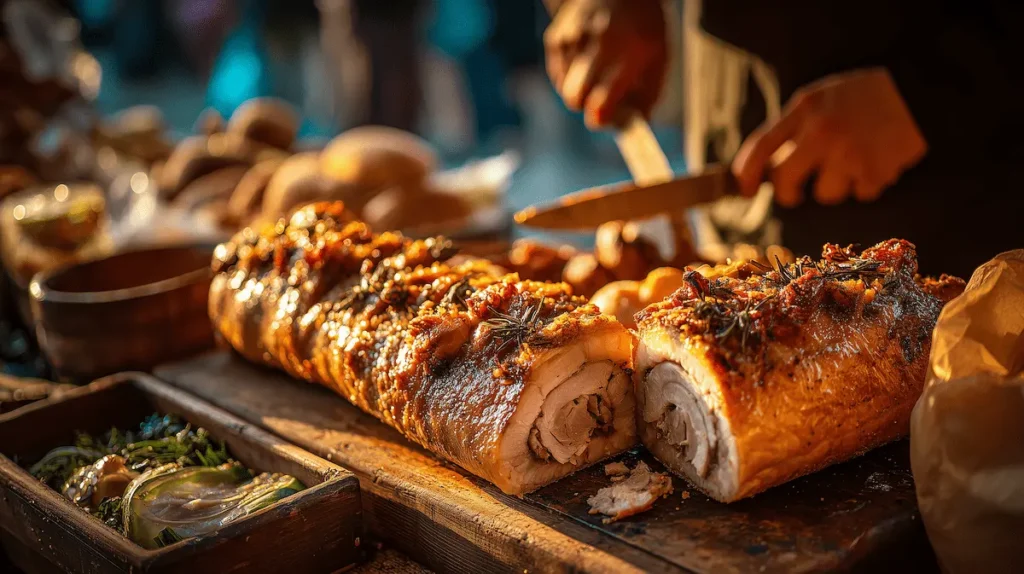
Just a few minutes from Albano Laziale lies Ariccia, the spiritual home of porchetta — deboned pig, stuffed with garlic, rosemary, and black pepper, then slow-roasted until the skin is like a savoury glass cracker.
- Where to eat it: look for a fraschetta. Originally these taverns only sold wine and you brought your own food; today they serve platters of cured meats, cheeses, and porchetta.
- The 2026 order: ask for a tagliere (platter) and a litre of “Romanella,” a light, sparkling local red or white.
Hidden Gems: What the Locals Eat
To go deeper, look for these three hyper-local specialties:
- Pannicelli: dried zibibbo grapes (raisins) wrapped in vine leaves and flavoured with orange peel, then baked. Sweet, smoky, and incredibly rare.
- Coppiette: spicy, chewy strips of dried meat, historically horse but now usually pork or beef — the ultimate bar snack with a cold glass of Frascati.
- Fragoline di bosco (Nemi): the pride of Nemi. In 2026, look out for “strawberry risotto,” a modern twist that’s surprisingly delicious.
If you want to hit the best fraschette and taste these local specialties without worrying about the drive back to Rome, a guided walking tour is the gold standard. In 2026, small-group “wine & dine” tours are the best way to get access to private 16th-century cellars not usually open to the public.
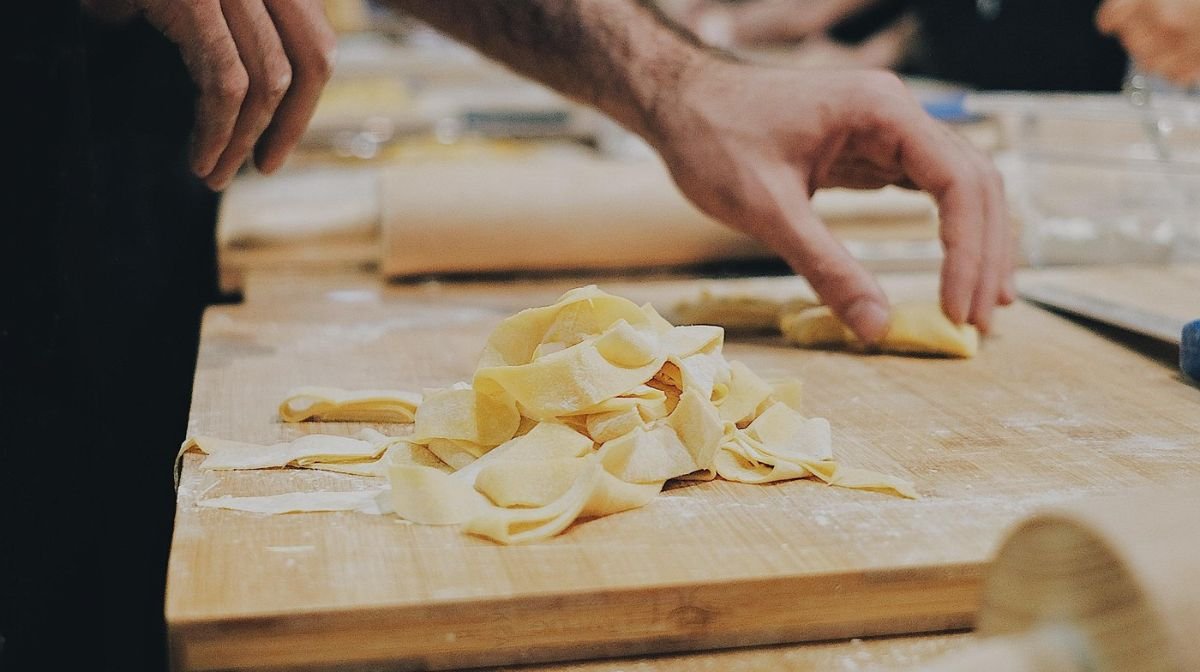
Pasta-Making, Wine Tasting & Dinner
Best for: a proper Frascati food evening
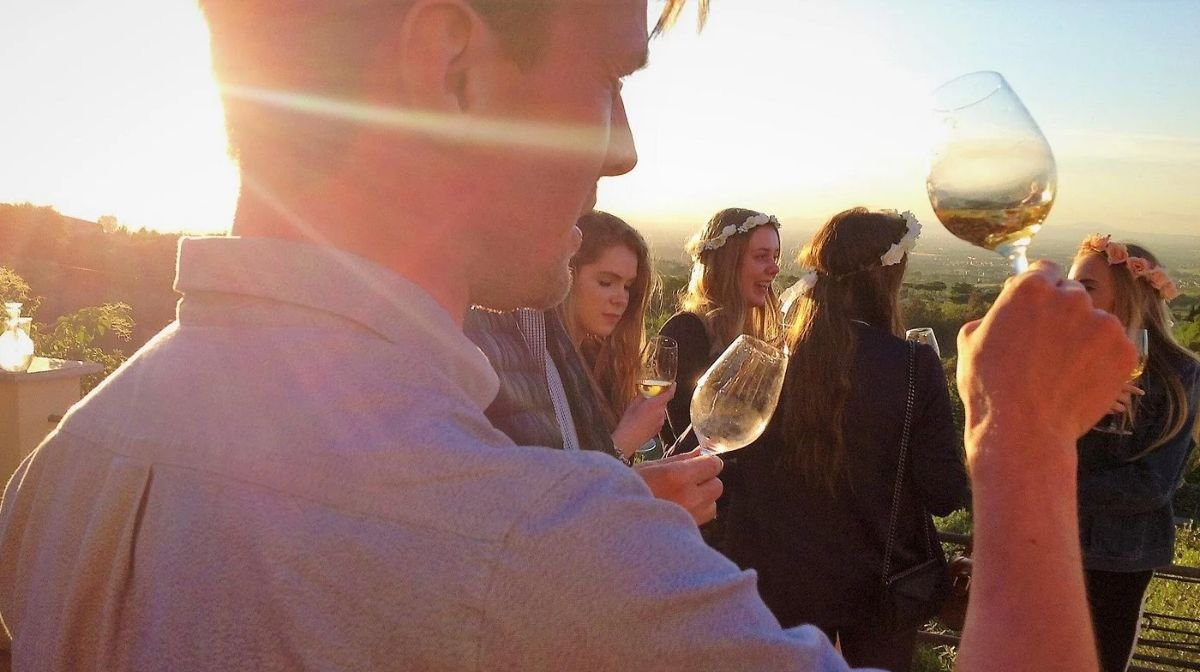
A small-group evening through Frascati’s private cellars — hands-on pasta-making, local wine tasting, and a full dinner with a family-run producer.
- Access to cellars not usually open to the public
- Hands-on pasta-making, not just a tasting
- Full dinner included, small-group format
Logistics: How to Get There in 2026
The biggest mistake travellers make is trying to visit all three towns by train in one day. Don’t. The train lines from Rome are “spoke” lines — they go out to one town and back to Rome. There’s no easy train between the towns.
Option A: The Train (Best for Budget or a Single Town)
- To Frascati: take the direct train from Roma Termini (20–30 min). It drops you right at the bottom of the historic centre.
- To Castel Gandolfo: take the train toward Albano Laziale. The station sits at the bottom of the hill — in 2026 there’s a small electric shuttle bus, but many people prefer the 15-minute steep walk.
Option B: Private Driver (Best for Seeing All Three Towns)
If you want Frascati for lunch, Castel Gandolfo for the Palace, and Nemi for sunset, you need a driver. In 2026, private “eco-transfer” electric vans have become the standard for luxury day trips.
Castelli Romani Tour from Rome
Best for: seeing Frascati, Castel Gandolfo and Nemi in one day
A private driver for the day, built around the three-town route — Frascati for lunch, Castel Gandolfo for the Papal Palace, Nemi for sunset — with no ZTL fines or train transfers to plan around.
- Private vehicle, no shared groups or fixed stops
- Covers all three towns in one day
- No ZTL fines, no juggling separate train lines
Where to Stay: Boutique Stays & Agriturismi
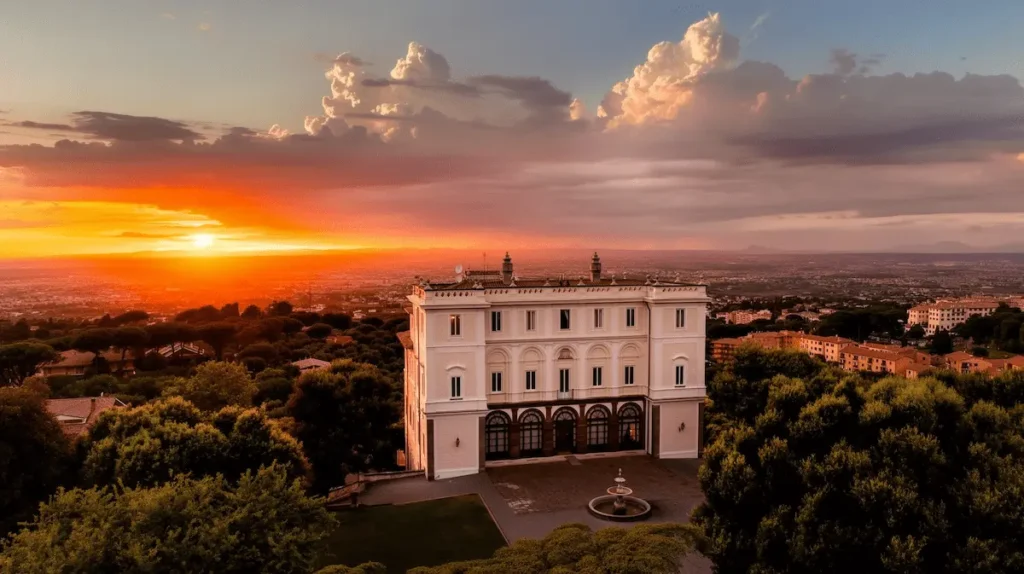
Staying overnight in the Castelli Romani is one of the best travel hacks for 2026. You get 5-star views for 3-star Rome prices, plus the peace of the countryside. Here are the top picks for a hillside base:
| Editor’s pick | Why it’s special | Booking |
|---|---|---|
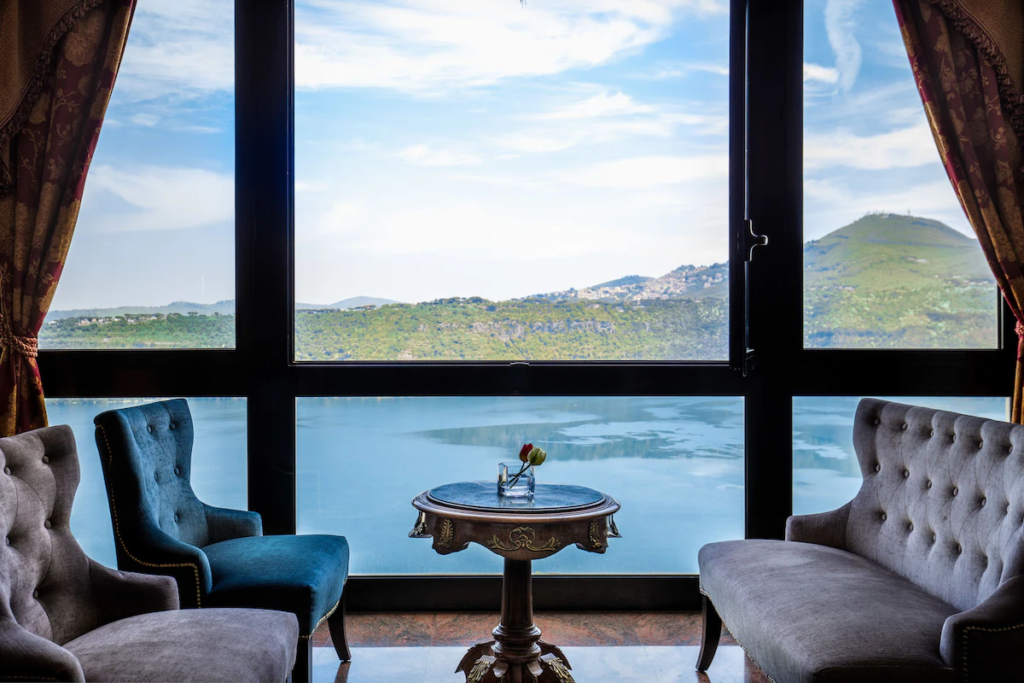
| La Locanda del Pontefice | The ultimate lakeside luxury. Perched directly on the edge of the volcanic crater, with the most iconic views of Lake Albano and the Papal Palace. Book a “superior lake view” room — waking up to mist over the volcanic water is a core-memory experience. | Check Availability |
| Hotel Castel Vecchio | Art nouveau elegance on the rim. A 19th-century classic just steps from the Papal Palace, with a real “Grand Tour” feel. Don’t miss the rooftop pool — swimming while looking down into the blue crater lake is the ultimate summer flex. | Check Availability |
| Park Hotel Villa Grazioli | Living art in the Alban Hills. A 16th-century noble residence filled with original Renaissance frescoes and sprawling Italianate gardens — the quietest, most aristocratic stay in the region. | Check Availability |
These hills stay 5–8 degrees cooler than central Rome, making them the perfect “coolcation” retreat for 2026.
Find your perfect hillside escape on the map below:
Frequently Asked Questions (Castelli Romani Towns 2026)
Absolutely. If you only have one day, focus on Frascati for wine or Castel Gandolfo for the papal history. It’s the easiest way to escape the Rome crowds without spending hours on a train.
It’s difficult. There’s a local bus from the Albano Laziale train station, but it’s infrequent. In 2026 we recommend booking a private driver or renting a car for the day so you don’t get stranded.
May and June are spectacular for the flower festivals (Infiorata). October is the “golden month,” thanks to the harvest festivals and cooler, crisp hiking weather.
The roads are winding and can be narrow, but they’re generally well-paved. Watch for ZTL (limited traffic zones) in town centres — your GPS won’t always warn you, and the fines are steep.
Final Thoughts: The Spirit of the Castelli Romani
Whether you’re sipping Frascati Superiore overlooking the vines or wandering the quiet rim of a volcanic crater, the Castelli Romani towns offer a glimpse into the authentic Roman lifestyle that many travellers miss. It’s the perfect breath of fresh air to add to your trip.
If you’re still mapping out your time in Italy, pair this escape with the full 2-day Rome itinerary, and check the best ways to get from Rome Fiumicino Airport to the city centre so your arrival is just as seamless.
Pack your walking shoes, bring an appetite, and get ready to discover Rome’s favourite backyard.