 Skip to content
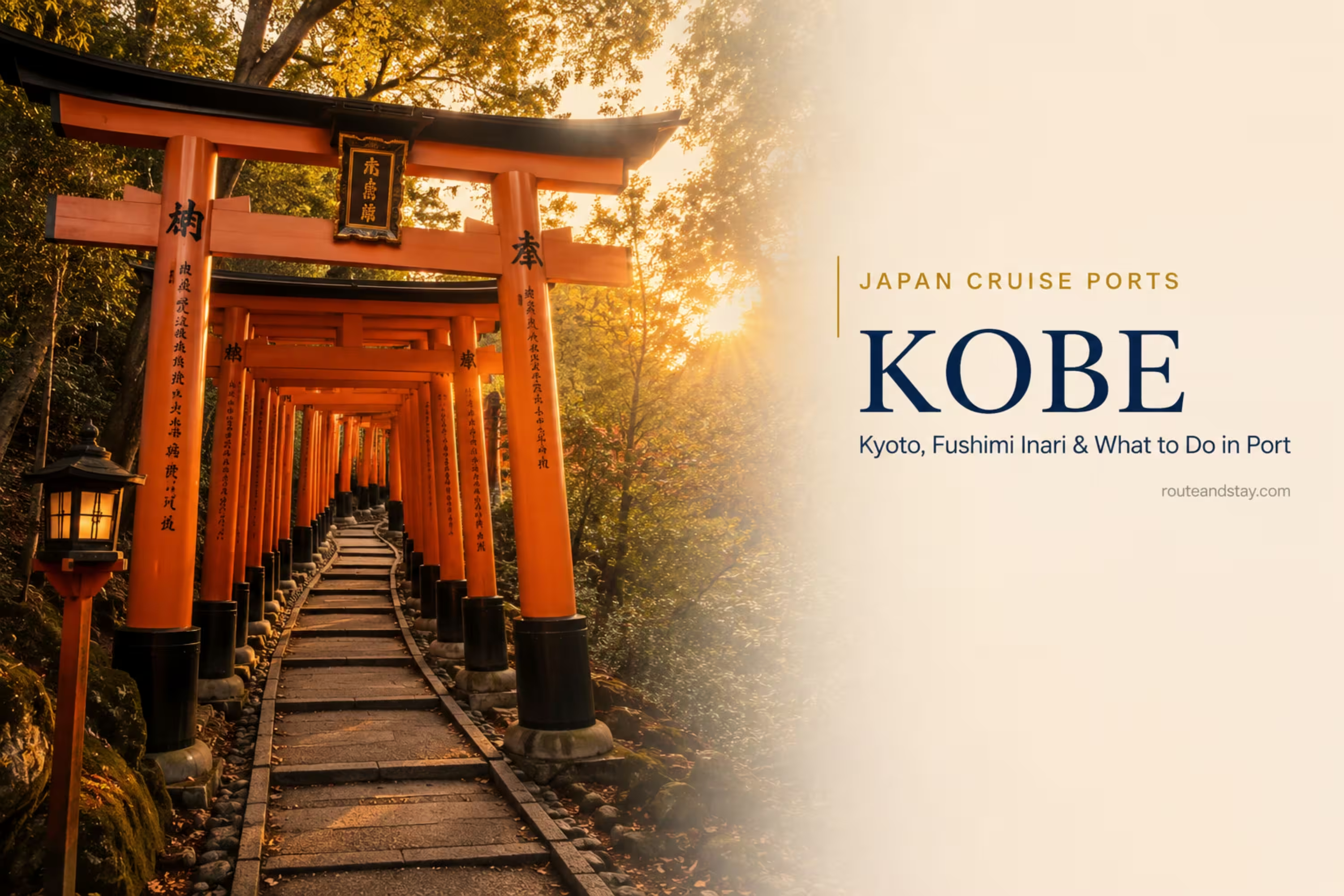
Kobe is the port where a Japan cruise stops being simple. Osaka is thirty minutes one way, Kyoto is thirty minutes the other, Nara and Universal Studios are both within easy reach, and Kobe itself — famous beef, quiet gardens, an easy waterfront — is right there at the foot of the gangway. We had one long port day and had to pick. Here’s what we chose, why, and everything you need to weigh the same decision.
Most cruise ports hand you a shortlist. Kobe hands you an entire region. In the time it takes to explain the options to someone who’s never done this port, you could have already missed your train. This guide is built around the choice we made — Kyoto, and everything that came with it — plus honest notes on the places we didn’t get to, so you can plan the day that’s actually right for you.
Why Kobe Is a Tough Port to Plan
Of every port on our Tokyo-to-Seoul cruise, Kobe was the one that gave us the most trouble — not because there was too little to do, but because there was too much. Kobe itself has a genuinely nice port area, quiet gardens and, obviously, the beef it’s named for. Osaka is a short train ride away, and on our sailing it happened to be running Expo 2025, at its peak when we were docked — that expo has since concluded, more on that below, but Osaka itself is still very much worth the trip. Universal Studios Japan is realistically doable from here too. Then there’s Nara, with its deer park and ancient temples. And there’s Kyoto.
Kyoto had been on our must-see list since we started planning the trip, so once we sat down with the options, it won — but even inside Kyoto, we couldn’t do everything. Kyoto genuinely needs multiple days to see properly, so we had to prioritize again once we arrived. That’s the real story of this port: not one decision, but several, each one trading away something worth seeing.
We had a long port day, which is what made Kyoto possible at all — if your call is shorter, some of what follows may need trimming. Whatever you choose, the honest advice for Kobe is to decide in advance and commit, rather than trying to improvise once you’re ashore.
Getting from Kobe to Kyoto
From the cruise terminal, we took a taxi to Shin-Kobe Station, then boarded the Shinkansen bullet train to Kyoto. It’s a direct, no-transfer service — Hikari trains run straight through without changing at Shin-Osaka — and the ride takes roughly 27 to 30 minutes. It was one of the unexpected highlights of the whole day: neither of us had experienced train travel at that speed before, and it’s a genuinely smooth, comfortable way to cover ground.
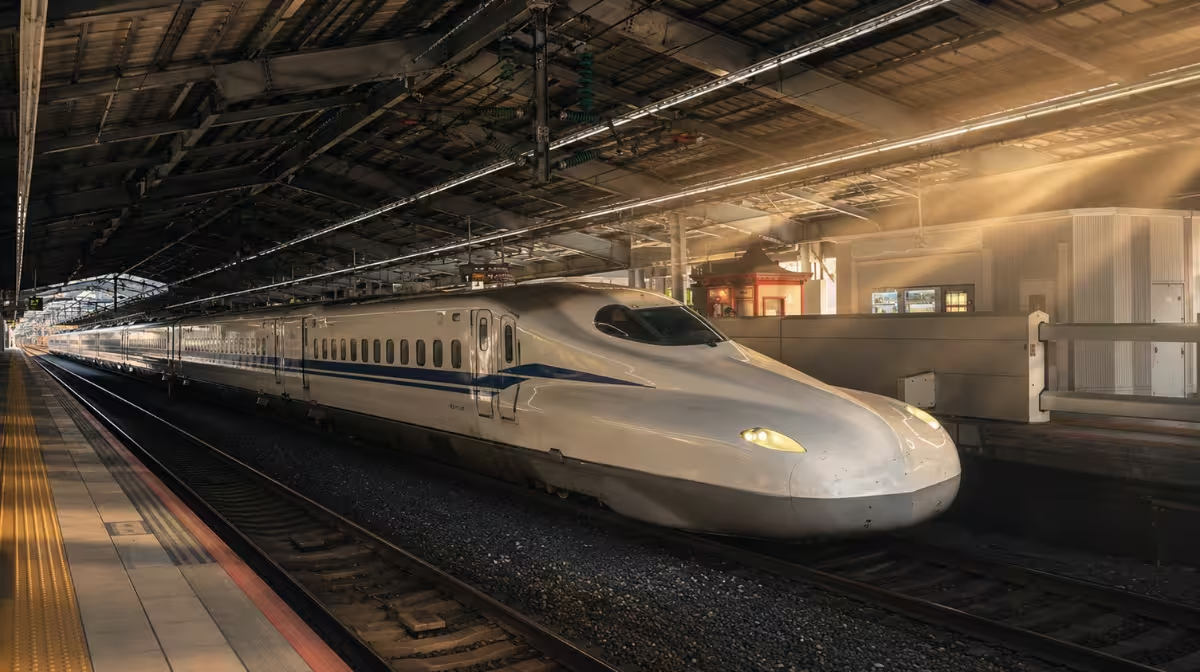
In Kyoto, we’d arranged to meet a private tour guide, which made the rest of the day far easier to navigate given how little time we had. If you’re doing this independently rather than on a cruise timeline, Kyoto’s own transport (subway, buses, taxis) connects the sights below without much trouble.
Kiyomizu-dera Temple
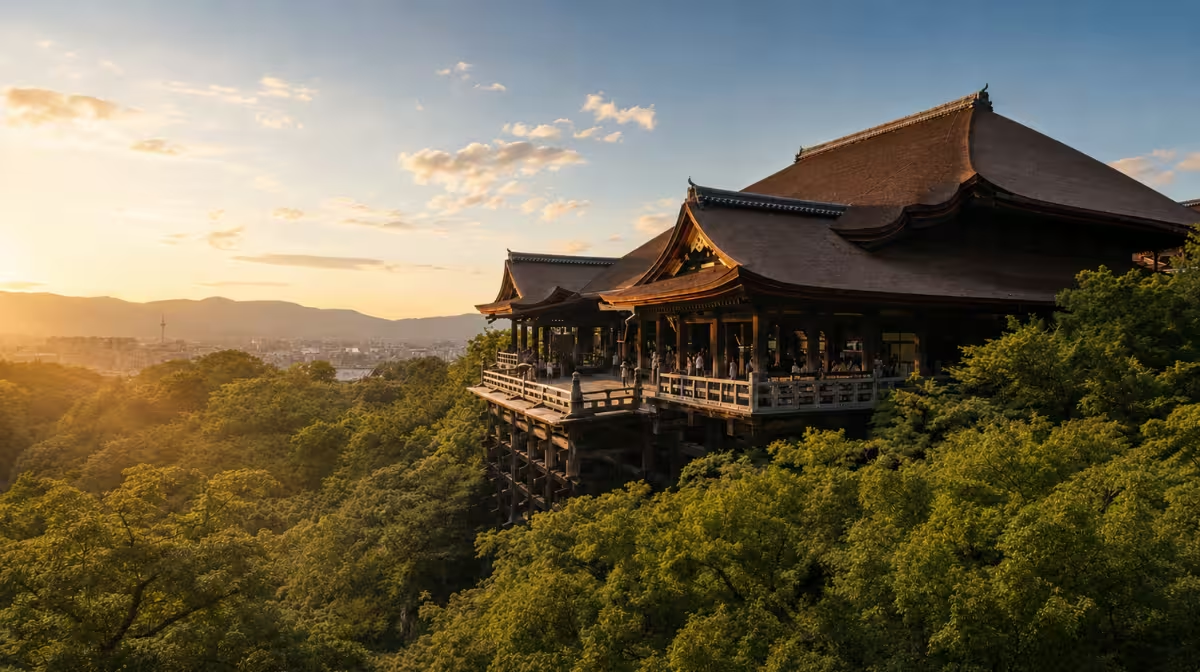
Our first stop was Kiyomizu-dera, and it earns its reputation. The temple’s wooden terrace juts out over a hillside of trees with the city spreading out below — the kind of view that makes you stop mid-sentence. One thing worth knowing before you go: we visited in summer, and the heat in Kyoto was on a different level than anything we were used to. We’re from a Mediterranean country and no strangers to hot weather, but this was something else entirely, and it slowed our pace for the rest of the day.
Fushimi Inari Taisha
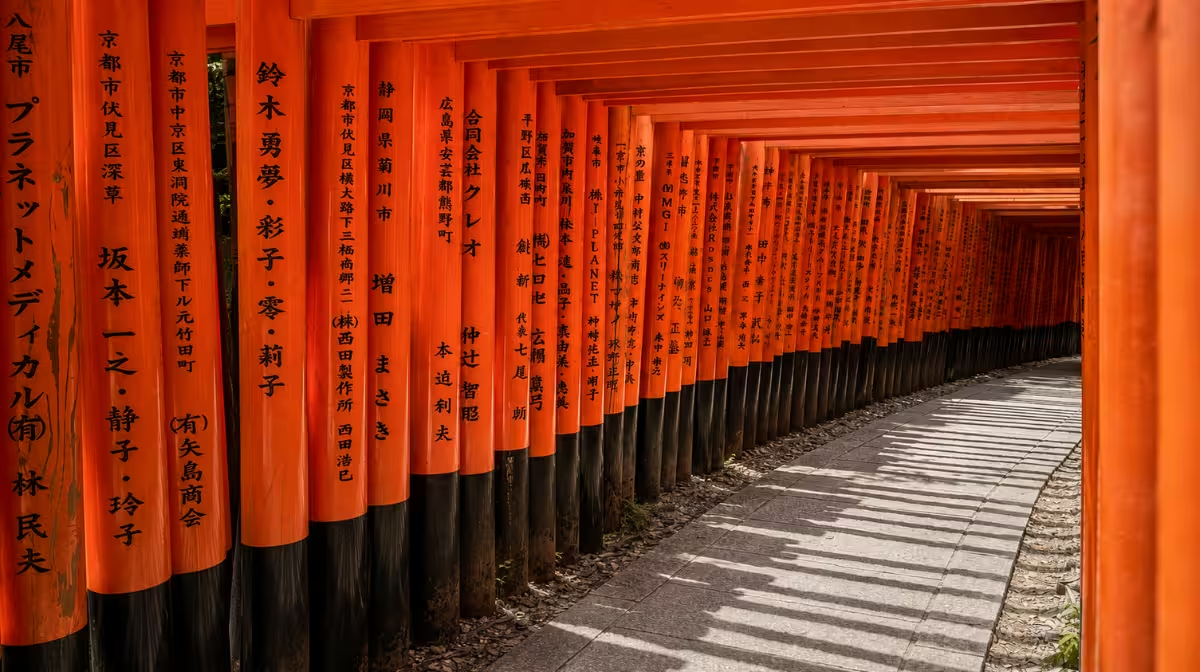
Fushimi Inari Taisha — the shrine with the thousands of vermilion torii gates tunneling up the mountainside — was the second must-see on our list, and it did not disappoint. It’s also, unsurprisingly, extremely busy; this is one of the most photographed spots in Japan, and it looks it. Here’s the tip that actually worked for us: keep climbing. The crowds thin out fast the higher you go up the mountain path, and in our case the heat pushed people back down even quicker than usual, so a little elevation bought us a lot of breathing room.
If you’re not working around a cruise schedule, go early or go late — the paths are famously quieter first thing in the morning or in the evening. On a port day, that flexibility usually isn’t there, so treat “climb higher” as your practical workaround instead.
What We Skipped: Arashiyama Bamboo Grove
Arashiyama Bamboo Grove was meant to be our last stop of the day, but between the heat and how packed Kyoto had become by that point, we made the call to head back toward Kobe instead — better to be close to the ship than to push for one more sight and risk the return trip. It’s the one honest regret of an otherwise excellent day, and a firm reason to go back.
If you’re planning your own Kobe-to-Kyoto day and Arashiyama is a priority, our fact-check turned up a useful detail: it’s busiest from 11am to 3pm — almost exactly the window we’d have arrived in had we pushed on. Going first thing in the morning (before 8am) or in the early evening (after 6pm) is the better play if you have any flexibility at all.
Back in Kobe: Shopping Before Reboarding
Once we were back in Kobe, we spent our remaining time browsing the shopping centres near the port — a short taxi ride from the cruise terminal — before reboarding. It was a relaxed way to close out a genuinely full day, and a good reminder that Kobe itself is worth a little time even if your day is built around somewhere else.
Other Ways to Spend Your Kobe Port Day
Kyoto was the right call for us, but it’s genuinely one of several strong options from this port. Here’s what else was on our shortlist — and what we’d consider next time.
If You’d Rather Stay in Kobe
Not every port day needs a train ticket. Kobe is a genuinely relaxed, walkable city in its own right, and if you’d rather skip the travel and the decision-making altogether, staying put is a completely legitimate way to spend the day — arguably the least stressful option on this whole list.
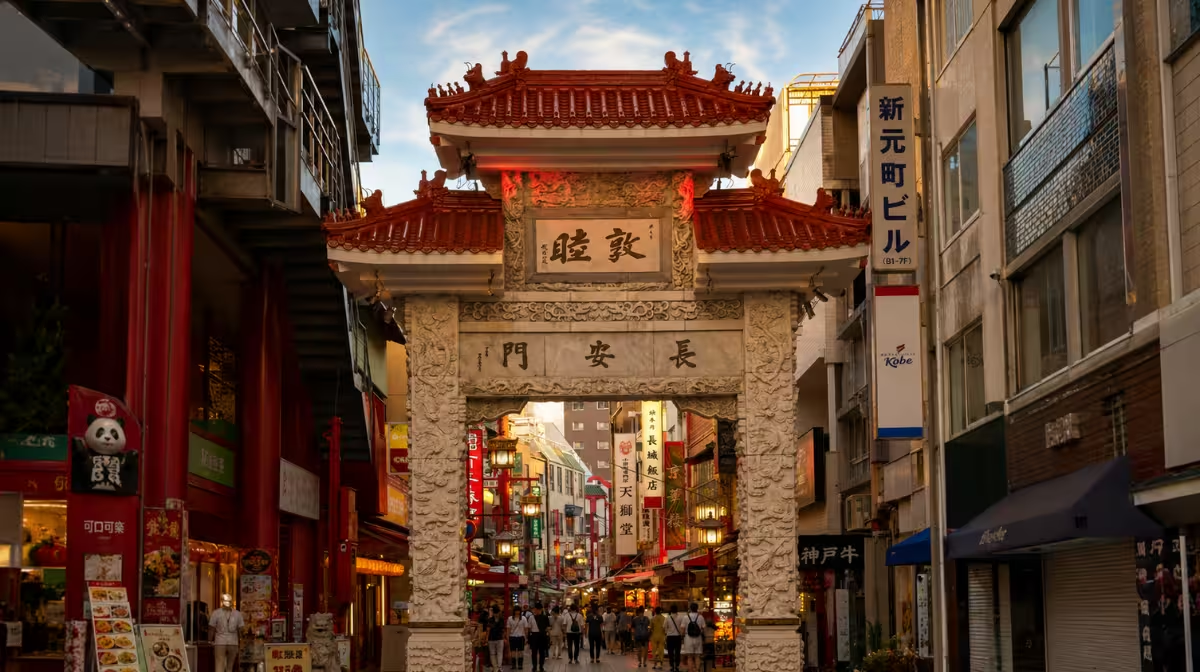
Meriken Park and the harborland waterfront are an easy stroll from the cruise terminal, Kitano’s old foreign residences (ijinkan) sit up on the hillside above the city center, Nankinmachi is Kobe’s compact Chinatown, and the Nunobiki Herb Gardens are reachable by ropeway right from the city center for skyline views over the harbor. And, of course, there’s the beef — Kobe is home to some of the best teppanyaki restaurants in Japan, many of them clustered around Sannomiya. If you book one thing for a Kobe-only day, make it a proper Kobe beef lunch or dinner; see the Klook booking widget below for a currently-bookable option.
If you’re staying in Kobe overnight before or after your cruise, or just want to see what’s around the port, here’s a live map of places to stay in the area.
Tours & Tickets
Whichever direction you choose, here are real, bookable options worth considering.
Guided Kyoto Day Tours from Kobe
Book Direct: Kyoto Day Tours & Kobe Beef, via Klook
Private Kyoto day tours covering Fushimi Inari, Kiyomizu-dera and Arashiyama, plus a Kobe beef teppanyaki dinner if you’re staying in port — book directly through Klook.
Klook.comPlanning the rest of your Japan cruise?
See every port on our Tokyo-to-Seoul cruise series, plus how to plan your trip.
See the Full Japan Cruise Port Series