 Skip to content
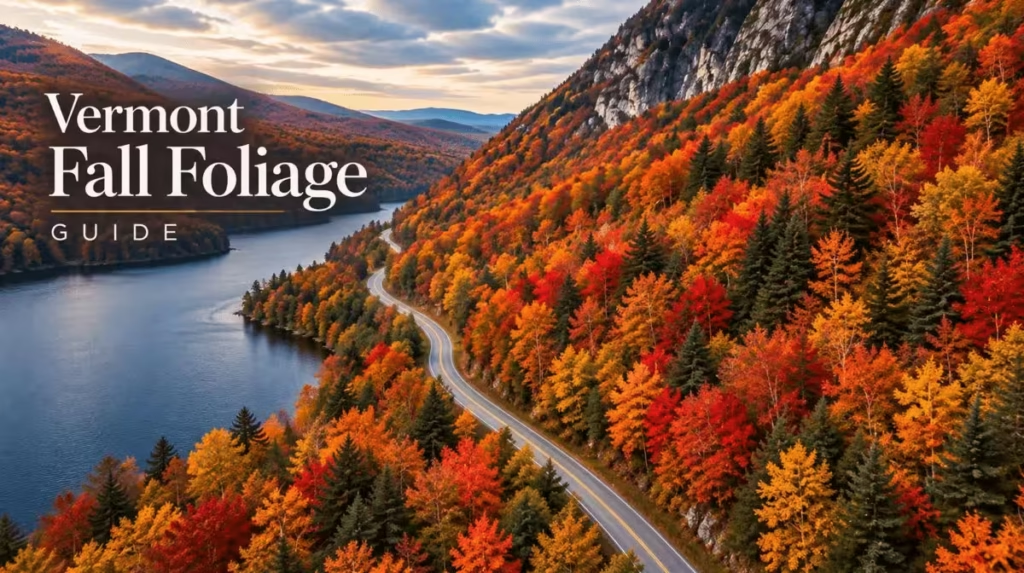
Vermont’s foliage season is short, weather-dependent, and moves across the state like a wave — which means the question isn’t really “when should I go,” it’s “which part of Vermont should I go to on the dates I already have.” This guide breaks the state into its four foliage regions, points you toward the drives and viewpoints locals actually use, and links out to where to stay and what to book once you’re there. For the broader picture on visiting the state, see our full Vermont travel guide.
Jump to a section
When peak color hits, region by region
Vermont’s color moves north to south and high to low — the Northeast Kingdom and mountain ridgelines turn first, valley floors in the south turn last, and the gap between the two can be two to three weeks in a typical year. Elevation matters as much as latitude: high ground can peak 10–14 days before the valley directly below it.
| Region | Typical peak window | Known for |
|---|---|---|
| Northeast Kingdom | Late September – early October | Lake Willoughby, Peacham, Craftsbury back roads |
| Northern Vermont (Stowe, Champlain Islands) | Late September – first week of October | Smugglers’ Notch, Mount Mansfield |
| Central Vermont (Killington, Woodstock, Mad River Valley) | Early–mid October | Route 100, Jenne Farm, covered bridges |
| Southern Vermont (Manchester, Brattleboro, Mount Snow) | Mid–late October | Molly Stark Byway, Equinox Mountain |
These are typical windows, not guarantees — an early frost or a warm, wet September can shift things by a week or more in either direction. Vermont’s Department of Forests, Parks and Recreation publishes a weekly foliage report once the season starts, and it’s worth checking that against any forecast before you lock in dates.
The best scenic drives
Route 100 — the spine of the state
Route 100 runs nearly the full length of Vermont, threading through Stowe, Waterbury, the Mad River Valley, Killington, and Weston along the way. It’s the closest thing Vermont has to a single “must-drive” road for foliage, mostly because it touches so many of the state’s best small towns without ever feeling like a highway. It’s also the busiest scenic road in the state during peak weekends, so an early start matters more here than almost anywhere else on this list.
Smugglers’ Notch (Route 108)
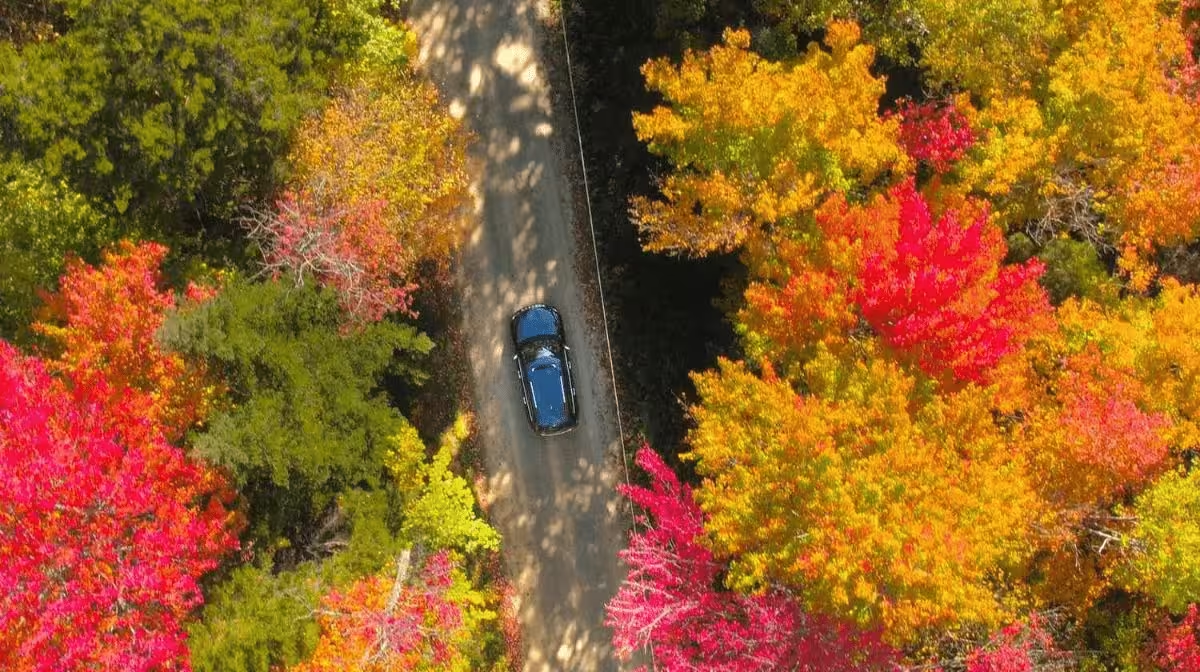
A narrow, twisting pass between Stowe and Jeffersonville, squeezed between Mount Mansfield and Sterling Mountain, with hairpin turns and sheer rock walls close enough to touch. It’s dramatic rather than gentle, closes for the winter once snow arrives, and is not recommended for anyone towing a trailer or nervous about tight switchbacks — but for foliage, few roads in the state deliver more per mile.
Molly Stark Byway (Route 9)
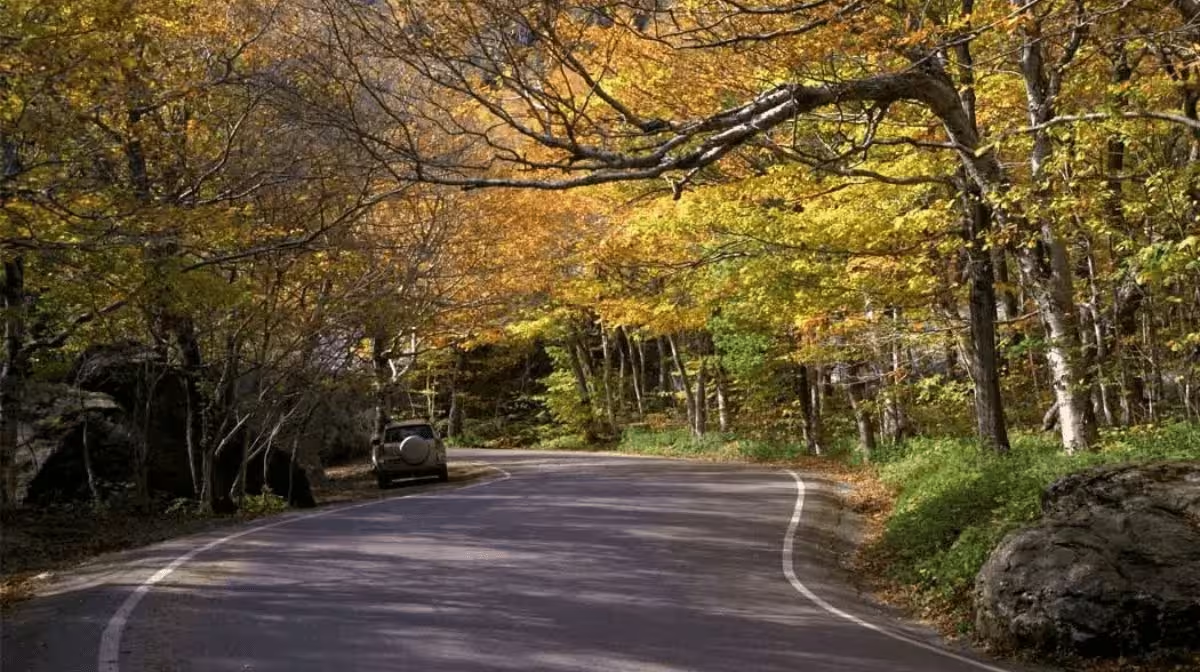
The Southern Vermont route between Bennington and Brattleboro, climbing over Hogback Mountain with a genuinely wide-open overlook near the top. Since the south peaks later than the rest of the state, this drive is a good fallback if you’re visiting in mid-to-late October and the color further north has already dropped.
The back roads around Peacham and Craftsbury
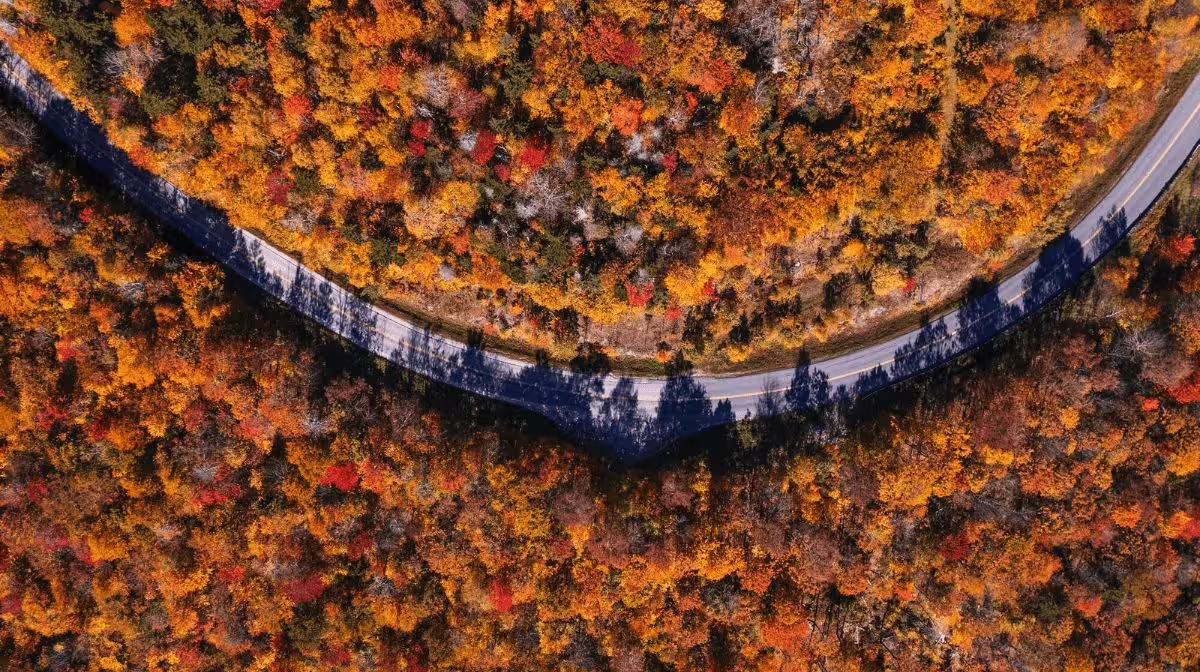
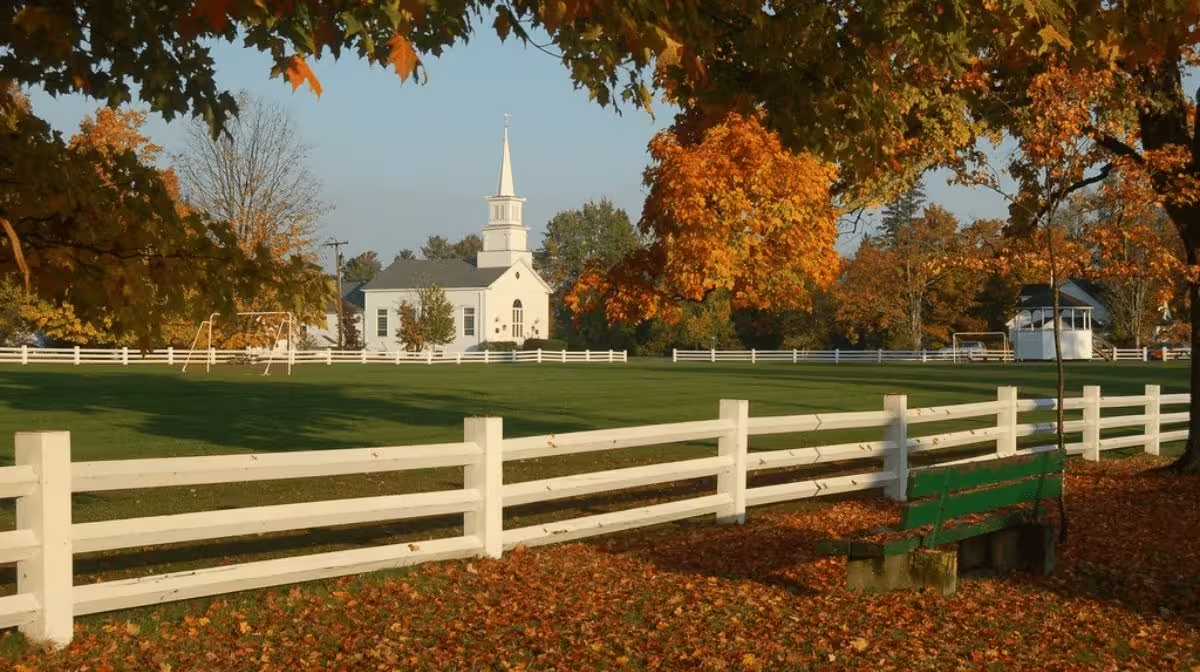
Skip the state highways entirely and take the unpaved town roads through the Northeast Kingdom instead. Peacham and Craftsbury are two of the most photographed villages in the region for a reason — white church steeples, working farms, and almost no traffic, since most visitors never make it this far north.
Iconic foliage photo spots
Jenne Farm, just outside South Woodstock, is one of the most photographed farms in America — a red barn set against rolling hills that’s become shorthand for “Vermont” in calendars and postcards; it’s on private land, so photograph from the roadside pull-off rather than walking into the fields. Lake Willoughby, in the Northeast Kingdom, sits in a glacial notch between two mountains and gives a reflection shot that’s hard to get anywhere else in the state. Groton State Forest, in central Vermont, has multiple ponds and roadside overlooks that are far less crowded than Route 100 on a peak-weekend afternoon.
Where to stay
Foliage season is Vermont’s single busiest and most expensive stretch of the year for lodging — inns in Stowe, Woodstock, and Manchester routinely book out three to six months ahead for the first two weekends of October. We’ve mapped and reviewed 15 of the state’s best boutique hotels, grouped by region, in our boutique hotels guide — worth reading before you book, since which region you stay in should follow from which foliage window you’re chasing.
Book a foliage-season activity
A few small-group tours and one sailing cruise worth booking ahead if you want someone else driving, or a different vantage point on the color entirely.
Small Group Tour in Stowe, Vermont
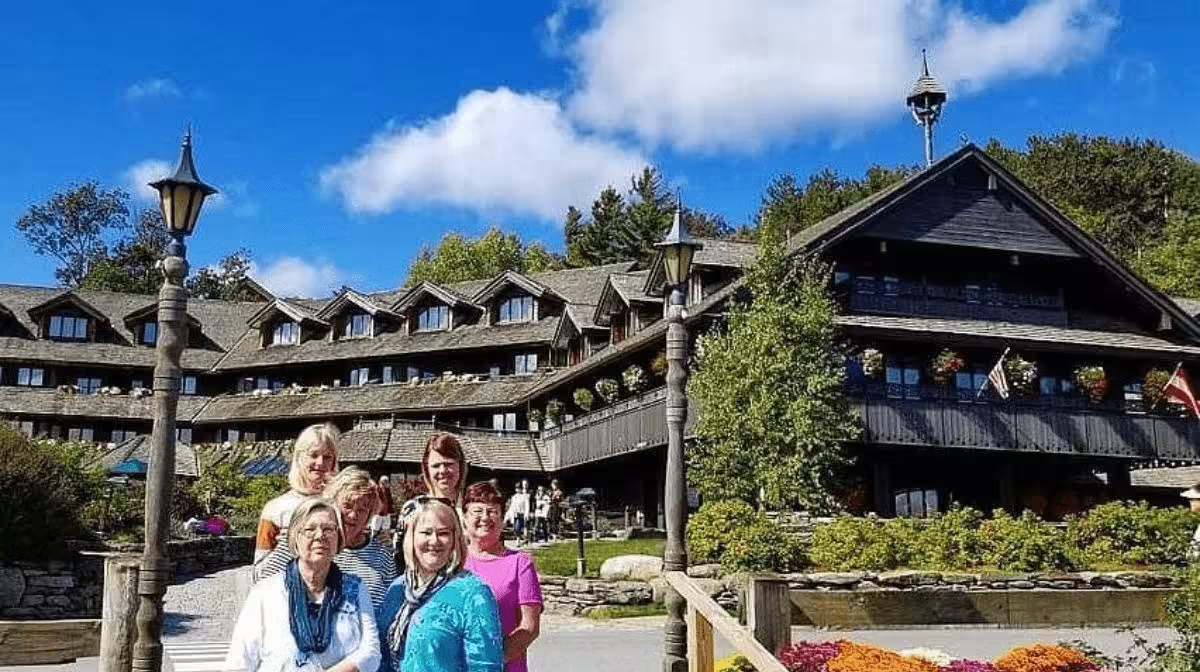
A 7-hour small-group tour (capped at 6 people) through Waterbury and Stowe — Ben & Jerry’s Factory, Cold Hollow Cider Mill, the Trapp Family Lodge, and a scenic drive through Smugglers’ Notch State Park, with hotel pickup included.
Check Availability
Public Daytime Sailing Cruise on Lake Champlain
A 2-hour sail aboard a classic Friendship Sloop out of Burlington’s Community Boathouse, with the Green Mountains on one shore and the Adirondacks on the other, and a crew who knows the lake’s shipwrecks, lighthouses, and islands. Bring your own food and drinks — cups, ice water, and wine glasses are provided.
Check Availability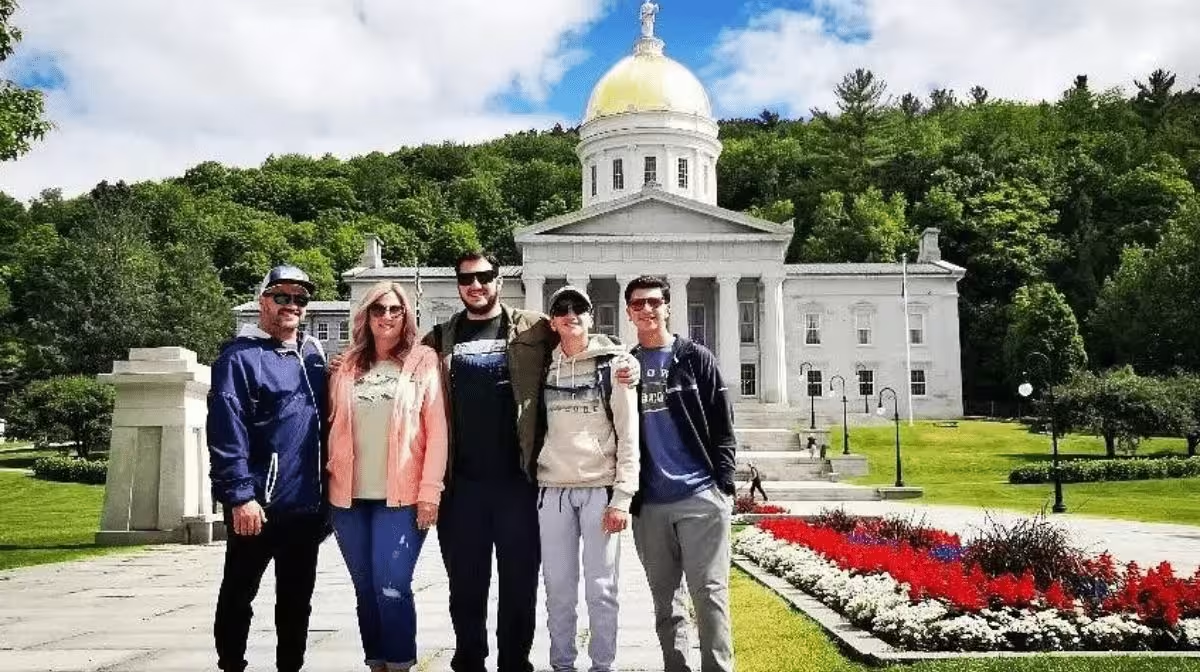
Small Group Tour in Montpelier & Mad River Valley
A 7-hour small-group tour through the state capital and Vermont’s back roads — a guided look at the Vermont State House, then a scenic Route 100 drive to Waitsfield and Warren, taking in the Big Eddy covered bridge, Appalachian Gap, and Moss Glen Falls, with lunch available at the Warren Store.
Check AvailabilityPlanning tips
If your travel dates are fixed, pick your destination around them rather than the other way around — a trip booked for the first week of October should aim north (Stowe, the Northeast Kingdom), while a trip in the third week should aim south (Manchester, Brattleboro). A car is essential; Vermont’s best foliage sits on rural roads with no public transit. Cell service gets patchy in the Northeast Kingdom and over mountain passes like Smugglers’ Notch and Appalachian Gap, so download offline maps before you set out. And build in an early start on any weekend during the first two weeks of October — Route 100 and the other well-known corridors see real traffic by early afternoon once the color peaks.
Frequently asked questions
When is peak fall foliage in Vermont?
Most years, peak color runs from late September in the Northeast Kingdom through mid-to-late October in southern Vermont, with central Vermont (Killington, Woodstock, the Mad River Valley) typically peaking in the first two weeks of October.
What’s the best scenic drive for fall foliage in Vermont?
Route 100 is the classic choice since it touches so many of the state’s best towns, but Smugglers’ Notch (Route 108) and the unpaved back roads around Peacham and Craftsbury are quieter and, for many visitors, more memorable.
Do I need to book lodging in advance for foliage season?
Yes — three to six months ahead for the first two weekends of October in popular towns like Stowe, Woodstock, and Manchester. Rates also rise noticeably during peak weeks.
Is the Northeast Kingdom worth visiting for foliage?
Yes, especially if you want fewer crowds. It turns earliest in the state, and villages like Peacham and Craftsbury see a fraction of the traffic that Route 100 does.
Do I need a car to see Vermont’s fall foliage?
Yes. Vermont has no meaningful public transit outside Burlington, and the best foliage viewing is on rural roads and byways that aren’t served by buses or trains.
Should I visit in September or October?
It depends on where you’re going. Late September favors the Northeast Kingdom and higher elevations; the first half of October favors central Vermont; the back half of October favors the south. There’s no single “best” month for the whole state at once.
Route & Stay is reader-supported. Some of the links on this page are affiliate links, and we may earn a small commission if you book through them, at no extra cost to you. Tour details, prices, and foliage timing were accurate at the time of writing but can change year to year — always confirm current dates and availability before booking.