 Skip to content
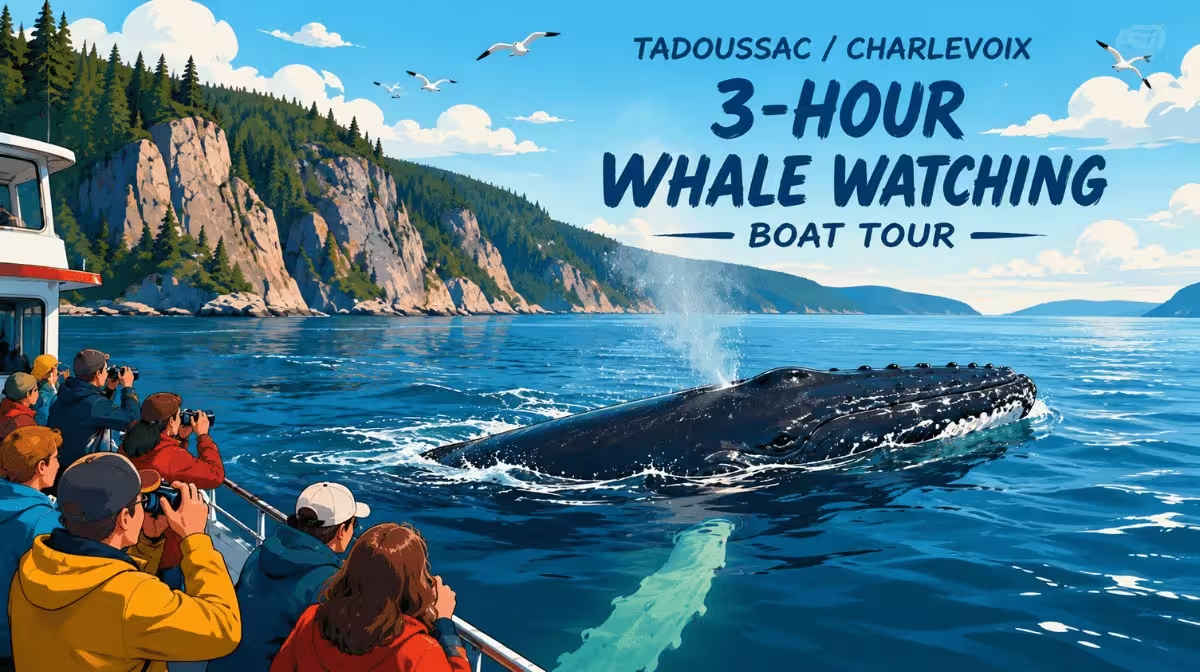
There are some tours you enjoy, and then there are tours you remember for years. The Tadoussac whale watching cruise from Baie-Sainte-Catherine is firmly in the second category — one of those experiences that stays with you long after you have unpacked your bags and got back to normal life. If you are planning a trip to Quebec and have any interest at all in wildlife, this is the excursion to build a day around. Here is what to expect, what you will see, and everything worth knowing before you book.
Affiliate disclosure: This post contains affiliate links. We may earn a small commission if you book through our links, at no extra cost to you.
Tadoussac Whale Watching Cruise
3 Hours on the St. Lawrence — Fin Whales, Belugas & the Saguenay Fjord
Naturalist guide included. Free cancellation up to 24 hours. Morning departures fill fast in July and August.
Check Availability on GetYourGuideContents
Tadoussac Whale Watching — Quick Facts
Why Tadoussac is One of the Best Whale Watching Spots in the World
Tadoussac sits at the confluence of two of the most significant bodies of water in eastern Canada — the Saguenay Fjord and the St. Lawrence River. The Saguenay drains an enormous freshwater basin from the Laurentian plateau; the St. Lawrence brings salt water from the Atlantic. Where these two systems meet, cold nutrient-rich water upwells from the riverbed, creating one of the most productive feeding environments in the northern hemisphere. The result is a concentration of krill, capelin, and small fish that draws whales in from across the Atlantic in extraordinary numbers.
The Saguenay–St. Lawrence Marine Park, established in 1997, protects this ecosystem and regulates whale watching operations to ensure the encounters are sustainable. Up to 13 different whale species have been recorded in the area throughout the season. No other location in Quebec — and few in Canada — offers this combination of accessibility, reliability, and species diversity.
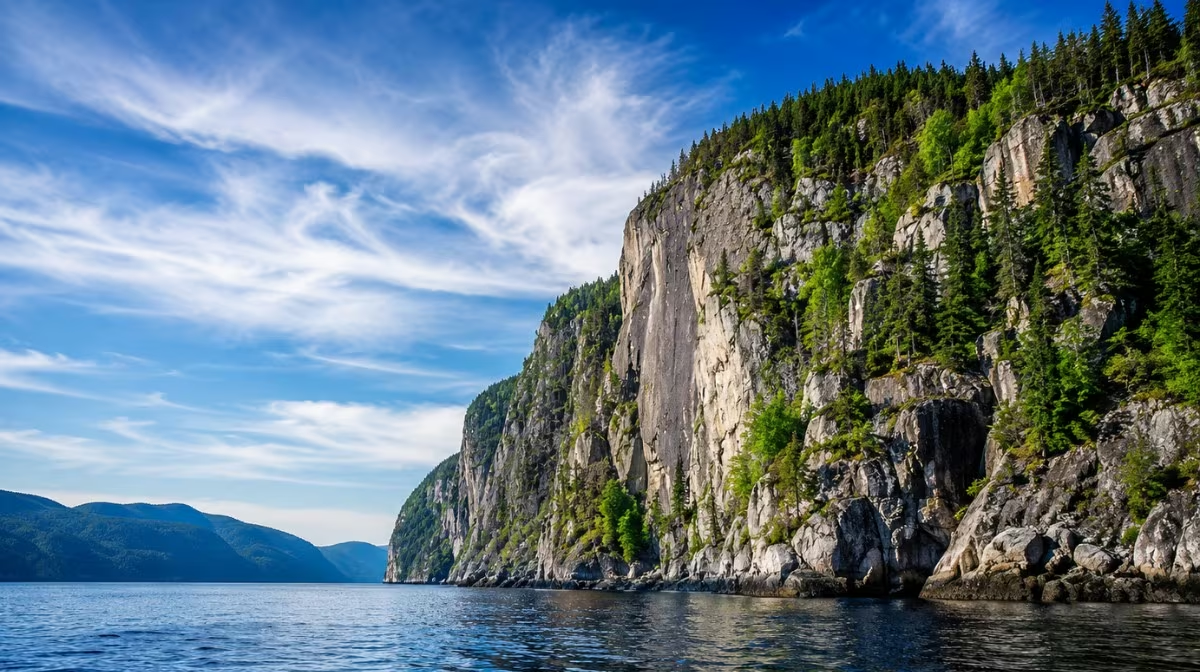
The Saguenay Fjord — the dramatic meeting point of freshwater and saltwater that makes this one of the world’s great whale watching destinations.
The resident beluga whale population is the most scientifically significant — a group of approximately 900 animals that live year-round in the St. Lawrence and represent one of the southernmost beluga populations on earth. This population is listed as endangered, which means an encounter here carries a weight that a whale watching trip in more abundant waters does not.
First-Hand AccountMy Experience on the Tadoussac Whale Watching Cruise
I arrived at Baie-Sainte-Catherine about 30 minutes before departure, coffee in hand and camera around my neck. Even before boarding, the atmosphere felt different. Everyone was quietly excited, scanning the water as if a whale might appear before we’d even left the dock. The air was cool despite it being summer, so I was glad I’d brought an extra layer.
As soon as the boat eased away from the harbour, the scenery alone made the trip worthwhile. The dramatic cliffs of the Saguenay Fjord towered above us while the immense St. Lawrence River stretched towards the horizon. Our naturalist guide immediately began explaining why this unique meeting point of freshwater and saltwater creates one of the world’s richest feeding grounds for whales. It felt less like a tourist excursion and more like joining a floating wildlife documentary.
About forty minutes into the cruise, the captain slowed the engines. “Fin whale at two o’clock.” Within seconds everyone moved quietly towards the railings. A huge plume of mist shot into the air. The whale surfaced only a hundred metres away, its dark back gliding effortlessly through the water before disappearing beneath the surface. Even having seen countless videos online, nothing prepares you for just how enormous these animals really are. The silence on the boat was almost magical — everyone simply watched in awe.
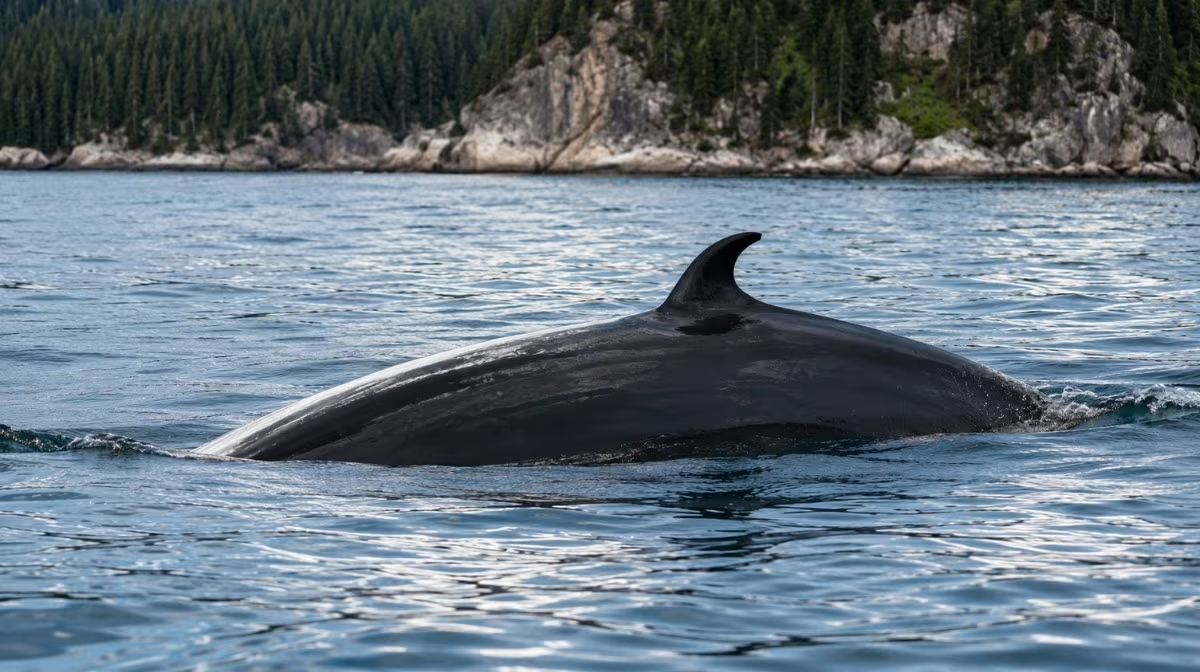
A minke whale breaking the surface — often the first sighting of the cruise, fast and inquisitive.
Not long afterwards we spotted several beluga whales. Unlike the dramatic appearance of the fin whale, the belugas were playful and elusive, their white backs briefly breaking the surface before vanishing again. Knowing this is one of the few places in the world where you can reliably see this endangered population made the encounter even more special.
The guide never stopped sharing fascinating facts. We learned how humpbacks feed, how fin whales can reach nearly 27 metres in length, and why the nutrient-rich waters of the Saguenay–St. Lawrence Marine Park attract up to 13 different whale species throughout the season. Every sighting came with stories about behaviour, migration, and conservation, making the experience far richer than simply looking for wildlife.
Between whale sightings I found myself simply enjoying the surroundings. The fjord’s steep forested cliffs reflected in the calm water, seabirds circled overhead, and seals occasionally popped up nearby as if they too were curious about the boat. Every direction offered another incredible photograph.
One thing I appreciated was how respectful the crew were around the wildlife. They never chased the whales or tried to force an encounter. Instead, they positioned the boat carefully and allowed nature to dictate the experience. It made every sighting feel authentic rather than staged.
Three hours passed surprisingly quickly. As we cruised back towards Tadoussac, everyone was comparing photos and replaying their favourite moments. Looking back, this wasn’t just a boat trip — it was one of the highlights of my time in Québec. Standing on deck, watching a fin whale surface against the backdrop of the Saguenay Fjord, is one of those travel memories that stays with you long after you’ve unpacked your suitcase.
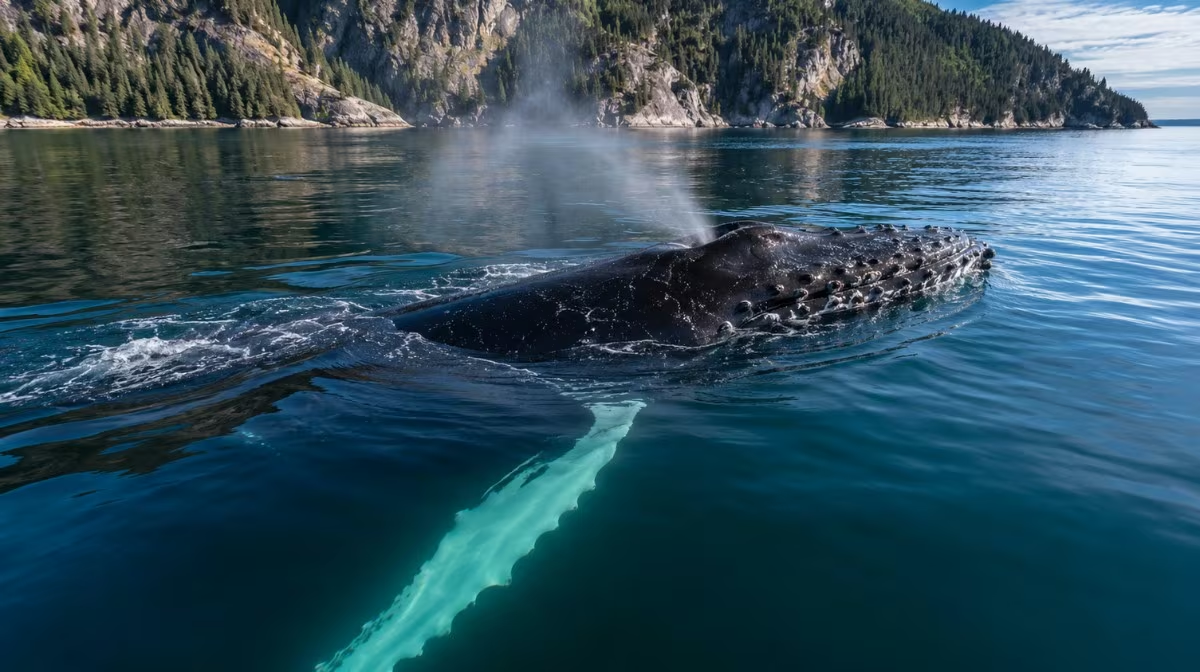
A humpback whale on the St. Lawrence — the most visually dramatic of the species you can encounter on this cruise.
The WildlifeWhat You’ll See on the Cruise
The Tadoussac area regularly hosts the following species throughout the May to October season. Sightings vary by time of year and daily conditions — the naturalist guide will give you the most current information on what has been spotted in the days before your cruise.
The second largest animal on earth, reaching up to 27 metres. The most commonly sighted large whale in the area — dramatic surfacing and blow, unmistakeable dark back.
The resident population of approximately 900 animals lives year-round in the St. Lawrence. Small, white, and elusive — a genuinely special encounter given their endangered status.
The smallest baleen whale regularly seen here — fast, inquisitive, and prone to approaching boats. Often the first whale spotted on a cruise.
Known for acrobatic behaviour — breaching, tail-slapping, and bubble-net feeding. The most visually dramatic whale you can encounter on this cruise.
The largest animal ever to have lived on earth. Present in the area in summer — sightings are less frequent than fin or minke but not uncommon in July and August.
Harbour porpoises are regular and often seen near the boat. Grey and harbour seals are common throughout the cruise, occasionally surfacing alongside the vessel.
The Tour — What to Book and How
The 3-hour whale watching cruise from Baie-Sainte-Catherine is operated by AML Cruises, departing from the pier at Baie-Sainte-Catherine on the south side of the Saguenay mouth. The vessel is a purpose-built whale watching boat with indoor seating, outdoor decks, and a naturalist guide on board throughout. Commentary is in English and French, with the guide available for questions throughout the cruise.
The tour is bookable through GetYourGuide with free cancellation up to 24 hours before departure. Book at least 48 hours ahead in peak season (July and August) — morning departures in particular fill up quickly. The afternoon departure is often less crowded and catches different light conditions.
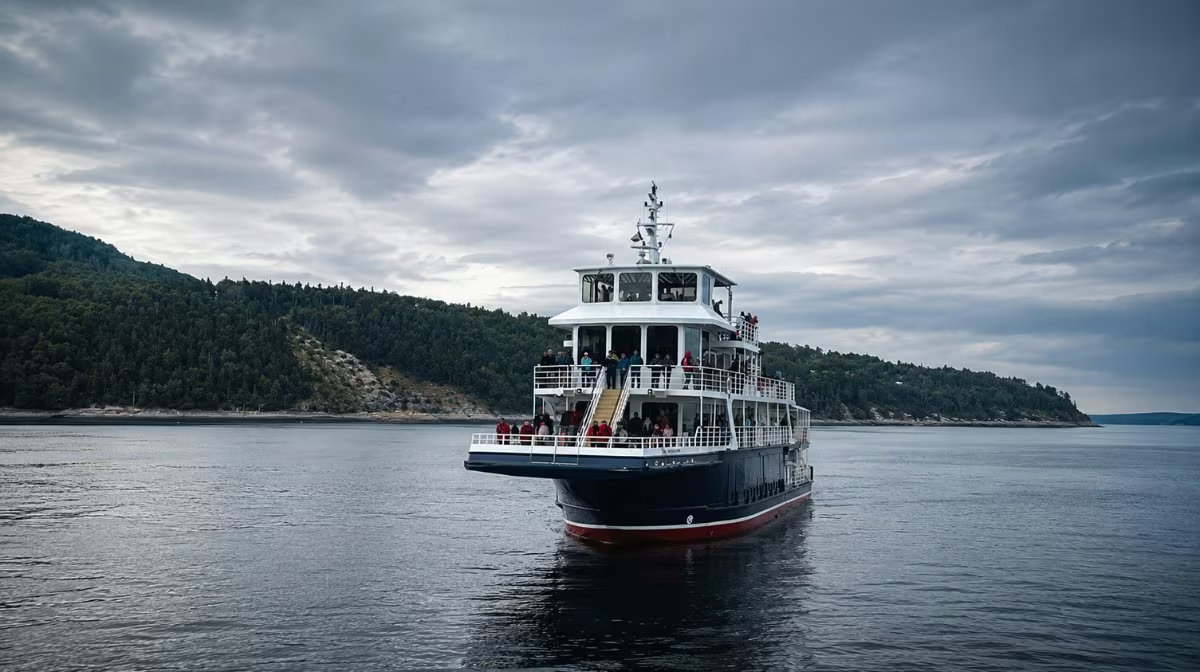
The cruise vessel at Baie-Sainte-Catherine — purpose-built for whale watching with indoor seating and open outdoor decks.
Getting to Tadoussac from Quebec City
Tadoussac is approximately 200 kilometres north-east of Quebec City — a 2.5-hour drive along Route 138 following the north shore of the St. Lawrence through Baie-Saint-Paul and La Malbaie. The drive is one of the most scenic in Quebec, with the river to your right and the Laurentian Mountains rising to the left for much of the route. Worth doing in daylight rather than rushing up and back on a dark evening.
The departure point for the AML cruise is Baie-Sainte-Catherine, on the south side of the Saguenay River mouth — about 5 kilometres before Tadoussac itself. Cross the Saguenay by ferry (free, runs continuously) to reach Tadoussac village if you want to explore further. Parking at Baie-Sainte-Catherine is free and plentiful.
There is no convenient public transport link from Quebec City. A rental car is the practical option for an independent day trip. Alternatively, some operators run day tour packages from Quebec City that combine the drive with the cruise — check GetYourGuide for current availability.
Best Time for the Tadoussac Whale Watching Cruise
The whale watching season runs from May through October. Each month has a different character in terms of which species are most active and what conditions to expect.
June and July are the peak months for species diversity — fin whales, minkes, belugas, humpbacks, and occasionally blue whales are all active. The water is cold and the weather variable, but sighting frequency is at its highest. Crowds are also at their highest — book well in advance.
August remains excellent for whale activity. Blue whale sightings are more common in August than any other month. Weather is typically the warmest of the season, though the water temperature does not reflect this on deck.
September and October bring smaller crowds and some of the best photographic conditions — clearer air, lower sun angle, and the beginning of autumn colour on the surrounding hills. Whale activity remains strong through September; October becomes more variable as the season winds down.
Tips from My Visit
Where to Stay
Tadoussac is a day trip from Quebec City but works better as an overnight stay — the village is small and atmospheric, the evening light on the Saguenay is extraordinary, and doing the cruise in the morning rather than rushing to catch an afternoon departure gives you a more relaxed experience. The map below shows live availability across the Quebec City region for your dates if you are using the city as a base.
Some links here are affiliate links. We may earn a small commission if you book through them, at no extra cost to you.
Is the Tadoussac whale watching cruise worth it?
Without hesitation, yes. The combination of the Saguenay Fjord scenery, the quality of the naturalist guide commentary, and the reliability of whale sightings in this area makes it one of the best wildlife experiences in eastern Canada. It is not just a boat trip — it is a genuinely memorable encounter with some of the largest animals on the planet in one of the most dramatic natural settings in Quebec.
What whales can you see at Tadoussac?
Up to 13 species have been recorded in the Saguenay–St. Lawrence Marine Park. The most commonly seen are fin whales, minke whales, beluga whales, and humpback whales. Blue whales are present in July and August. The resident beluga population of approximately 900 animals is present year-round and is one of the most significant wildlife encounters available anywhere in Canada.
How far is Tadoussac from Quebec City?
Approximately 200 kilometres north-east of Quebec City along Route 138 on the north shore of the St. Lawrence — a 2.5-hour drive. The route is one of the most scenic in Quebec, passing through the Charlevoix region with views of the St. Lawrence throughout.
How long is the whale watching cruise?
The standard cruise is 3 hours, departing from Baie-Sainte-Catherine on the south side of the Saguenay River mouth. The boat is purpose-built for whale watching with indoor and outdoor decks, a naturalist guide, and a bistro on board.
What is the best time to go whale watching at Tadoussac?
June through September is the best window. July and August offer the highest species diversity, including occasional blue whale sightings. September brings smaller crowds and beautiful autumn light. The season runs from May through October, with activity tailing off toward the end of the season.
Do I need to book in advance?
Yes — morning departures in July and August fill up quickly. Book at least 48 hours ahead in peak season, and further ahead if your dates are fixed. Free cancellation is available up to 24 hours before departure, so booking early carries no risk.
What should I wear on the whale watching cruise?
Dress warmer than you expect to need to. The air over the St. Lawrence is significantly cooler than on land even in summer, and the boat generates wind on the open decks. A waterproof jacket over a fleece is the practical combination. Layers that you can add or remove are better than a single heavy coat.
Can you visit Tadoussac without a car?
Public transport links from Quebec City are limited and not practical for a day trip. A rental car is the most realistic option for independent travellers. Alternatively, some operators run day tours from Quebec City that combine the drive with the cruise — check GetYourGuide for current availability from Quebec City.